



The Supreme Court of India is tackling the severe Delhi NCR Pollution crisis. This crisis is a big threat to public health and the environment. The court’s actions show how urgent it is to change environmental laws.
This case shows how law and protecting the environment go hand in hand. It also makes us think about our role in solving the air pollution problem that affects so many people.
Introduction to the Delhi-NCR Air Pollution Crisis
The Delhi-NCR area is facing a major problem: Delhi NCR air pollution. This issue has caught the world’s attention, as people’s health is at risk. The pollution comes from homes, industries, and cars.
During winter, the air gets even worse because of the weather. This creates a thick smog that’s hard to breathe.
We all need to work together to solve this problem. We must raise awareness and join forces to clean the air. By understanding the issue, we can fight for better air quality for everyone.
Background on Supreme Court’s Role in Environmental Issues
The Supreme Court of India has been leading the fight for environmental protection for many years. It has filled the gaps between what laws intend and what nature demands. Through its decisions, the court has built a strong legal framework to tackle major environmental problems.
Important cases have given the court the power to enforce strict rules on industries. This ensures they are responsible for their environmental harm.
The Supreme Court’s active role in environmental issues shows its power and dedication to protecting nature. It has greatly influenced India’s environmental laws. This includes laws aimed at reducing air pollution.
Knowing the court’s key role helps us understand its efforts to solve the Delhi-NCR air pollution crisis.
Current Status of Delhi NCR Pollution
The air quality in Delhi NCR is a big worry. Many things contribute to this problem. As cities grow, so does pollution, affecting our health and life quality.
Factors Contributing to Air Pollution
Car emissions, industrial waste, and dust from building sites are main causes. More people mean more cars and energy use. These factors worsen the air, making it hard to breathe.
Seasonal Variations in Air Quality
Delhi NCR’s air quality changes a lot with the seasons. It gets worse in winter because of temperature changes. Burning crops nearby also adds to the pollution. Knowing these changes helps us find better ways to improve the air.
Recent Supreme Court Hearings and Developments
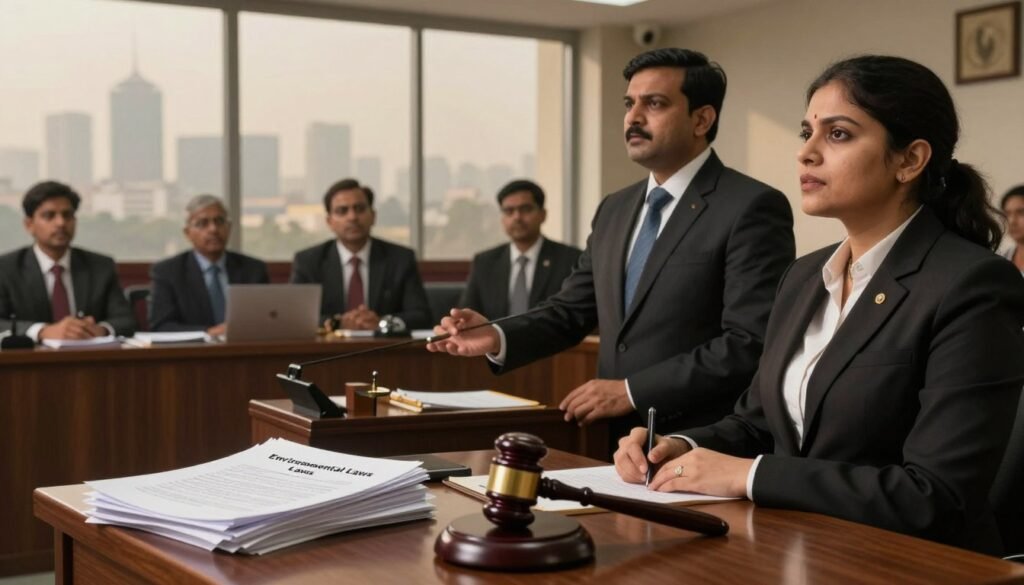
The Supreme Court has recently held hearings about Delhi NCR’s air pollution. These talks highlight the need for quick environmental action. The court’s decisions have changed how governments tackle pollution.
They’ve pushed for officials to be more accountable. The court says current measures need to be enforced better.
New rules have been set to make environmental laws more effective. The Supreme Court wants both governments and private companies to find new ways to improve air quality. These efforts aim to make the air cleaner through teamwork and strict law enforcement.
Legal Framework Surrounding Air Pollution in India
India has a strong legal system to fight air pollution. It aims to protect public health and control emissions. Key laws outline duties for industries and government agencies. Knowing these rules is key to tackling air pollution.
Key Environmental Laws and Regulations
India uses the Air (Prevention and Control of Pollution) Act and the Environment Protection Act to manage air quality. These environmental laws set rules to cut down pollutants from different sources. They push for better technology to reduce harmful emissions.
Public Health Implications of Air Pollution Legislation
Air quality laws have big health benefits. They show how important clean air is for our health. By enforcing these laws, we can keep communities safe, even the most vulnerable ones.
Government Responses to Delhi NCR Pollution
The government is taking urgent steps to tackle the pollution crisis in Delhi NCR. They are introducing vehicle restrictions and promoting cleaner fuels. These efforts aim to improve the air quality.
Public transport systems are being enhanced to cut down on vehicle emissions. This shows a wide-ranging approach to fight pollution.
Yet, these efforts are not meeting everyone’s expectations. Many factors affect how well these measures work. Monitoring, community involvement, and shared responsibility are key to success.
Looking at the Delhi NCR response to pollution, we see a need for ongoing commitment and new strategies. We must keep finding ways to protect our environment. This will help us achieve a healthier atmosphere for everyone.
Public Sentiment and Community Reactions
Communities are speaking out about the bad air in Delhi NCR. This growing concern has sparked many grassroots movements. They push for cleaner air and encourage everyone to care for the environment.
Grassroots Movements Against Air Pollution
Grassroots movements are key in fighting air quality problems. They bring people and groups together to raise awareness and push for change. Using forums, social media, and education, they teach people about pollution’s health effects.
These groups use creative ways to show the dangers of pollution. They work together to make a strong voice for cleaner air and better practices.
Role of NGOs in Addressing Air Quality Issues
NGOs are vital in the fight for cleaner air. They work hard to reduce pollution and fight for environmental justice. They reach out to communities with awareness campaigns and direct actions.
By working with local groups, NGOs make a bigger impact. They help turn public concern into real change.
Impact of Air Pollution on Public Health
The health effects of Delhi NCR pollution are very concerning. Millions of people are affected. Air quality statistics show a sad reality, with more respiratory diseases and serious health issues linked to bad air.
Understanding these numbers is key to seeing how urgent it is to tackle environmental health problems.
Statistics on Health Effects
Air pollution leads to a big rise in hospital visits for asthma and other lung problems. Studies show that about 1.2 million deaths in India each year are due to bad air quality. This data highlights the strong link between air pollution and health issues in crowded places like Delhi NCR.
Long-term Health Consequences of Poor Air Quality
Long-term exposure to polluted air can cause heart problems, lung cancer, and developmental issues in kids. Harmful pollutants can damage vital organs. As we explore the health impacts, it’s clear that fighting air pollution is vital for our future.
Economic Consequences of Environmental Neglect
Dealing with air pollution shows us big economic problems. These issues go beyond just health issues. Pollution makes healthcare costs go up, putting a strain on public health services.
As air quality gets worse, people can’t work as much. This means families lose income and the economy grows slower. It’s a big problem.
Pollution affects every part of society, causing economic losses. Industries that need clean air might lose money. This happens because people want stricter rules.
Knowing these economic problems shows why we need to be green. Green practices don’t just clean the air. They also help the economy grow.
Comparative Analysis: Other Major Cities Facing Pollution
The air quality crisis isn’t just a problem in Delhi-NCR. By looking at other major cities, we can learn a lot. We find out about global pollution models that work well. These models help solve environmental problems.
Learning from Global Models and Success Stories
Cities like Beijing, Los Angeles, and London have made big changes to fight pollution. Beijing, for example, has strict rules for car emissions and supports electric buses. These cities show us how to use good ideas in our own ways.
Challenges in Implementation of Solutions
Even though other cities have found ways to improve, Delhi-NCR faces big hurdles. Problems like political delays, lack of infrastructure, and public resistance make it hard. To overcome these, we need to understand our local situation well and work together.
Expected Outcomes from the Supreme Court Case
The pollution case in the Supreme Court has grabbed everyone’s attention. It could change how we manage the environment in India. People are looking forward to the court’s decisions, hoping they will improve air quality.
One big hope is for stricter pollution rules. If the court makes these rules tighter, it could push governments to do more. This could lead to better air quality.
Also, the court’s decisions might lead to more teamwork. This could mean working together between governments, NGOs, and businesses to solve pollution problems.
In the end, this case could change how we think about protecting the environment. If the court is strong, it could make people take action. It shows that keeping our air clean is something we all must do.
Potential Solutions to Address Delhi NCR Pollution
Dealing with Delhi NCR pollution needs creativity and practical steps. We must find solutions that involve new ideas and community help. Working together, engineers, urban planners, and policymakers can lead us to a greener future.
Innovative Ideas for Cleaner Air
Green spaces are key to better air quality. Adding green areas to cities makes them look good and helps clean the air. Community gardens and vertical forests are great for our cleaner air initiatives.
Improving waste management is another area for innovation. Sorting waste at the source and recycling can cut down pollution. Using solar and wind energy instead of fossil fuels is also a step forward.
It’s important for everyone to work together. Raising awareness can help people make eco-friendly choices at home. Teaching the community about pollution and encouraging them to clean up can foster a sense of shared responsibility.
Future Steps for Government and Civil Society
Fixing Delhi NCR’s air pollution problem needs teamwork between the government and civil society. They should work together to create detailed plans that protect our environment. It’s also key to boost civil society roles because community involvement can spark big changes for cleaner air.
Working together, the government and local groups can find better ways to fight pollution. By starting public awareness efforts and building green infrastructure, we can see real improvements. Making laws stronger and building community partnerships will help make our air cleaner and our environment healthier.
Role of Technology in Fighting Air Pollution
Technology is changing the game in our fight against air pollution. New tools and systems help us understand and manage air quality better. They let us tackle environmental challenges more effectively.
Use of Air Quality Tracking Apps
Air quality tracking apps have changed how we watch over our environment. They give us real-time data on pollution levels. This helps us make smart choices about our health and the air we breathe.
Advancements in Pollution Control Technology
Technology has made a big leap in pollution control. New systems like better emission scrubbers and filters help reduce air pollution. These advancements are key to improving air quality and cutting down on pollution in cities.
International Perspectives on Air Quality Management
Looking at how different countries manage air quality shows us many ways to tackle pollution. Each country has its own approach, giving us insights into what works best. For example, Sweden and Canada focus on both health and the environment.
These countries show us how strict rules and community help can make a big difference. Their efforts inspire us to improve air quality in Delhi NCR.
Learning from others’ successes and failures helps us find new ways to clean our air. By combining the best ideas from around the world, we can make our air cleaner and healthier.
Conclusion
The crisis of Delhi NCR pollution needs our full commitment and teamwork. The Supreme Court’s findings show we must find new ways to fight this problem. We must work together to solve the many issues causing this health crisis.
By working together, we can change how we live for the better. This team effort will improve our air and make our cities healthier. It will also get people involved in making our air cleaner.
We can make a better future together. Our aim is to give future generations a better life, free from air pollution. Let’s join forces to make a big difference in fighting air pollution.