



The sunlight-driven nano-reactor developed by Indian researchers is emerging as a revolutionary solution for sustainable wastewater treatment. This innovative technology uses solar energy instead of electricity to break down harmful chemical pollutants in contaminated water. By eliminating the need for external power sources, the sunlight-driven nano-reactor offers an affordable, eco-friendly, and scalable approach to water purification. https://www.sciencedirect.com/topics/engineering/photocatalysis
As water pollution rises due to industrial discharge, pharmaceutical waste, and agricultural runoff, sustainable treatment technologies like this sunlight-driven nano-reactor are becoming essential for environmental protection and long-term water security. Many of these contaminants — such as pesticides, dyes, heavy metals, and pharmaceutical residues — are resistant to conventional wastewater treatment technologies and pose serious threats to human health, biodiversity, and long-term environmental stability. https://www.epa.gov/water-research
In a major scientific advance, a team of Indian researchers has developed a sunlight-driven nano-reactor capable of breaking down harmful chemical pollutants in wastewater — without the need for electricity or chemical additives. This innovation has the potential to transform wastewater treatment practices, especially in regions with limited infrastructure and energy resources.
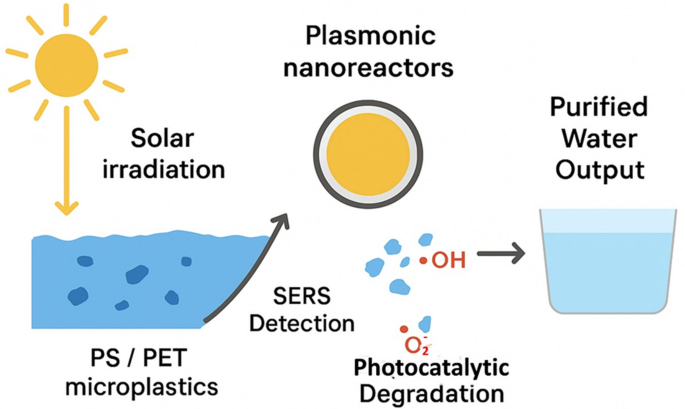
Why Traditional Wastewater Treatment Falls Short
Conventional wastewater treatment typically involves combinations of physical filtration, chemical oxidation, and biological degradation. While effective against many organic load components and turbidity, these systems often struggle with micropollutants such as emerging contaminants from pharmaceuticals, industrial dyes, and persistent organic compounds.https://www.mdpi.com/journal/catalysts
- Energy dependence: Most conventional systems require electricity for pumps, aeration, and chemical dosing.
- Incomplete removal: Chemicals like antibiotics, hormones, pesticides, and microplastics can pass through treatment plants untreated.
- Secondary pollution: Chemical treatments themselves can produce by-products that are toxic or difficult to manage.
These limitations have driven scientists to explore advanced, energy-efficient, and sustainable solutions for pollutant degradation.
What Is a Sunlight-Driven Nano-Reactor?
At its core, the sunlight-driven nano-reactor is a photocatalytic device — meaning it uses light energy (here, solar radiation) to trigger chemical reactions that break down pollutants into harmless components like water (H₂O) and carbon dioxide (CO₂).
Photocatalytic processes leverage materials that become chemically active when exposed to light. In this case, the nano-reactor contains engineered nanoscale catalysts that absorb sunlight and produce reactive species capable of attacking complex chemical pollutants. https://www.worldbank.org/en/topic/water
Unlike traditional reactors that need electric power to operate, this design harnesses sunlight directly, offering:
- Zero electricity requirement
- Operation at normal temperature and pressure
- Breakdown of complex pollutants into non-toxic end products
- Low operational cost and minimal maintenance
This makes the technology especially suited for rural, off-grid, or low-resource settings.
Who Developed This Technology?
The nano-reactor was developed through a collaborative effort among multiple Indian research institutions:
- Inter-University Accelerator Centre (IUAC), New Delhi
- University of Allahabad, Uttar Pradesh
- Central Institute of Tibetan Studies (CITS)
The project aligns with India’s “Make in India” initiative, emphasising indigenous innovation and sustainability. The technology has also received patents in both India and the United Kingdom, showcasing its novelty and potential global relevance.
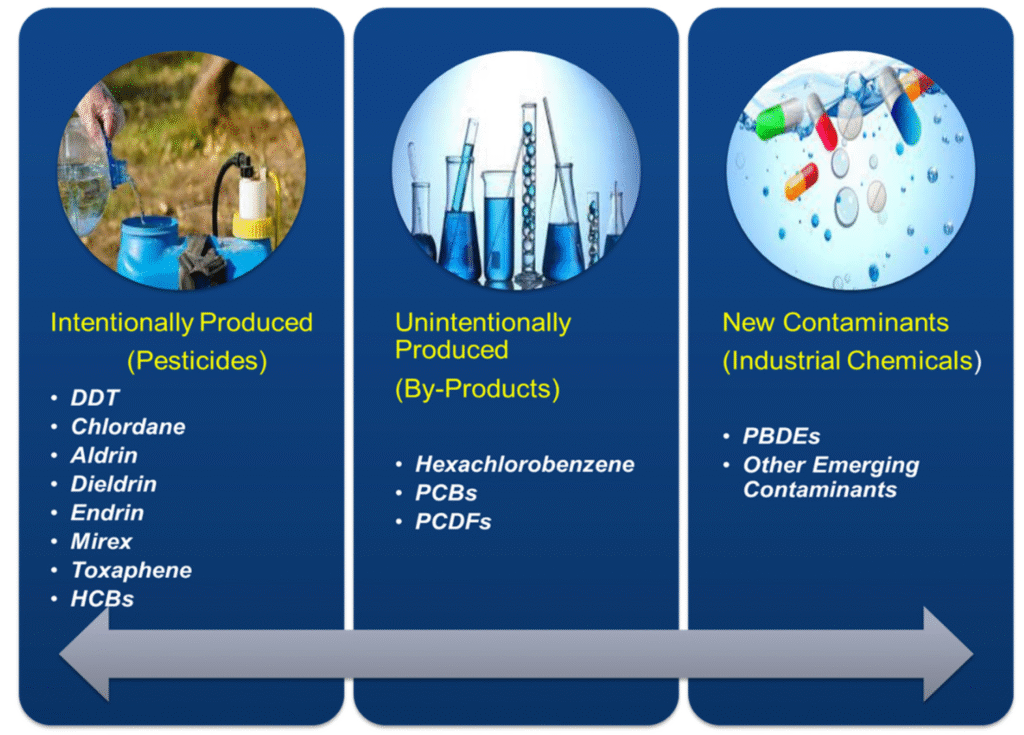
How Does the Nano-Reactor Work? The Science Explained
1. Photocatalysis and Light Activation
In a photocatalytic system, a catalyst material — often a semiconductor nanoparticle — absorbs light energy. This energy excites electrons, creating a pair of electron-hole charges:
- Electron (e⁻): Can reduce contaminants or generate reactive oxygen species.
- Hole (h⁺): Can oxidise water or pollutant molecules.
The combined effect produces highly reactive radicals such as hydroxyl (·OH) and superoxide (·O₂⁻), which can attack and break down persistent chemical bonds in pollutants.
These reactions occur while:
- The system operates at room temperature
- There is no need for electricity — just sunlight
- No additional chemicals are introduced
This results in the overall mineralisation of pollutants — transforming them into benign substances like CO₂ and water.
2. Nano-Scale Catalysts — What Makes Them Special?
Nanomaterials have exceptionally high surface area to volume ratios, which enhances their interaction with pollutants and light. Their unique optical properties allow the following:
- Enhanced absorption of visible sunlight
- Improved charge separation
- Greater generation of reactive species
These traits make them significantly more efficient than bulk materials traditionally used in photocatalysis.
Types of Pollutants It Can Treat
The nano-reactor is effective against a broad range of contaminants that are typically difficult to remove:
✔ Pharmaceutical residues
✔ Pesticides and herbicides
✔ Industrial dyes
✔ Heavy metals
✔ Organic micropollutants
These compounds often persist in wastewater after conventional treatment and enter natural water bodies, threatening both ecosystems and human health.
Advantages Over Other Technologies
Here’s what sets the sunlight-driven nano-reactor apart:
Energy Independence
It doesn’t require electricity — the sun does all the work.
Minimal Operating Cost
No chemicals or complex infrastructure needed.
Sustainable and Green
No harmful by-products are generated.
Versatile Applications
Useful for industries, hospitals, textile effluents, and municipal wastewater streams.
Scalable
Can be adapted for small communities and industrial sites alike.
Potential Applications
1. Industrial Wastewater Cleanup
Industries such as textiles, pharmaceuticals, and agrochemicals release effluent containing stubborn pollutants.
- Conventional methods often leave residues.
- Solar nano-reactors can significantly enhance pollutant breakdown before discharge.
2. Hospital Effluent
Medical facilities discharge antibiotics, hormones, and drug residues that conventional treatment plants struggle to neutralise. The nano-reactor’s advanced breakdown pathways can address this issue more effectively.
3. Rural and Off-Grid Areas
Many rural regions lack grid reliability and central wastewater treatment. A solar-powered solution provides a low-cost, decentralised option for communities to manage wastewater sustainably.
4. Water Reuse and Recycling
Treated water from this reactor can be safer for reuse in irrigation, industrial cooling, or even certain domestic applications (subject to regulatory approval).
How This Fits into Global Sustainability Goals
This innovation directly supports multiple United Nations Sustainable Development Goals (SDGs):
SDG 6 — Clean Water and Sanitation
Ensuring availability and sustainable management of water resources.
SDG 7 — Affordable and Clean Energy
Using renewable solar energy instead of conventional power sources.
SDG 11 — Sustainable Cities and Communities
Reducing environmental pollution for healthier communities.
SDG 9 — Industry, Innovation, and Infrastructure
Encouraging innovation for environmental resilience.
Expert Voices: What Researchers Are Saying
According to project scientists:
✔ The nano-reactor represents a critical step toward sustainable water purification in India and globally.
✔ Its green mechanism ensures that harmful pollutants are not just removed but completely broken down into harmless substances.
✔ The technology’s patents in India and the UK underscore its innovation and potential global application.
Challenges and Future Directions
While the nano-reactor is a breakthrough, there are still important considerations:
Scaling Up
Moving from lab prototypes to industrial levels of wastewater treatment will require investment, pilot testing, and engineering design optimisation.
Material Stability and Lifespan
Nanomaterials can lose activity over time; long-term durability must be evaluated.
Integration with Existing Infrastructure
Adapting or retrofitting current wastewater systems to include solar-driven reactors will need design standardisation.
Ongoing research — both in India and worldwide — is focusing on these challenges, exploring materials, hybrid systems, and commercial solutions.
Towards a Cleaner, Greener Water Future
The sunlight-driven nano-reactor developed by Indian researchers represents a significant leap forward in sustainable water treatment. By tapping into the power of the sun and nanotechnology, this innovation offers a low-cost, energy-free, and environmentally friendly solution to remove some of the toughest pollutants in wastewater — a step that could redefine how communities manage water pollution around the world.
Through continued research, partnerships, and deployment, technologies like this could accelerate global efforts toward water security and ecological resilience in the 21st century.