



The news of Sunita Williams’s retirement has captured worldwide attention. The Indian-origin NASA astronaut, celebrated for her courage and leadership, has concluded a record-breaking career with 608 days in space. Her retirement is a milestone in human space exploration and a source of inspiration for future astronauts. Williams’s retirement, effective December 27, 2025, concluded a career filled with groundbreaking achievements, historic records, inspiring firsts and an enduring legacy that will influence the future of space exploration for generations to come.
A Trailblazer Who Redefined Human Spaceflight
Sunita Williams is widely known for her resilience, courage and relentless pursuit of scientific discovery. Over nearly three decades, she became a driving force behind NASA’s human space missions, especially aboard the International Space Station (ISS). Across three ISS expeditions, Williams logged an extraordinary 608 days in space, making her one of the most experienced spacefarers in NASA history.
Her total time in orbit places her second among NASA astronauts in cumulative days in space — a testament not only to her endurance but also to her sustained contributions to complex scientific research in orbit.
Beyond sheer time spent in orbit, Williams’s career was marked by key accomplishments:
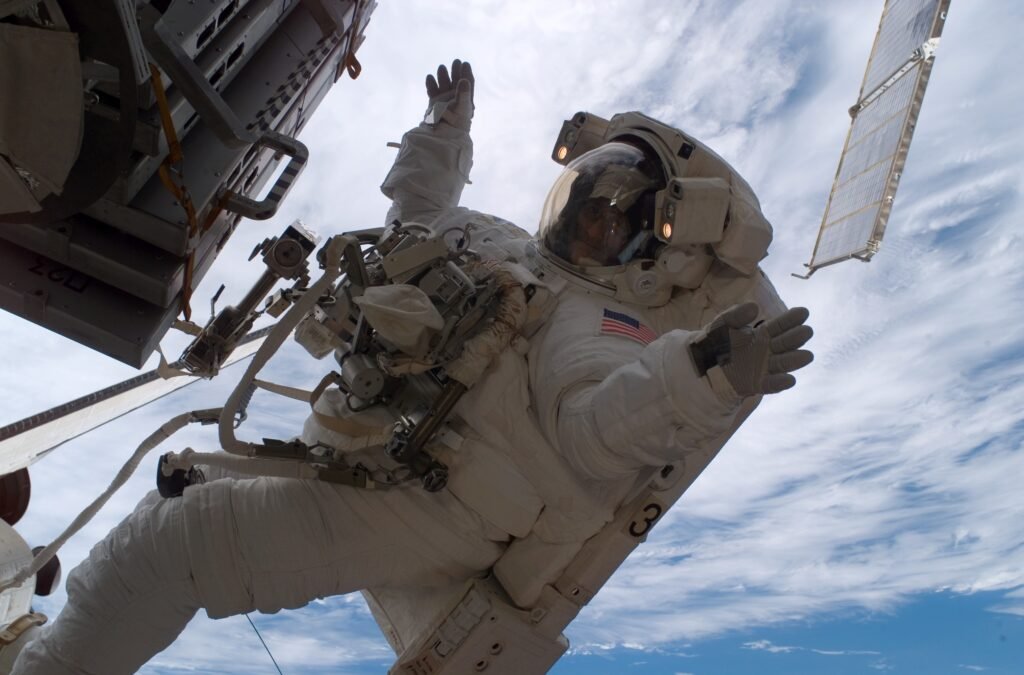
- 9 spacewalks totalling 62 hours and 6 minutes—the most spacewalk time ever logged by a woman, and placing her fourth on NASA’s list of all‑time spacewalkers.
- First person to run a marathon in space, completing the distance on a treadmill aboard the ISS.
- Flew on multiple spacecraft, including the Space Shuttle, Boeing Starliner, and SpaceX Dragon,http://The Times of India during her career.
NASA Administrator Jared Isaacman called her a “trailblazer in human spaceflight,” praising Williams for shaping future exploration and inspiring countless young people around the world.
From Naval Officer to Space Icon
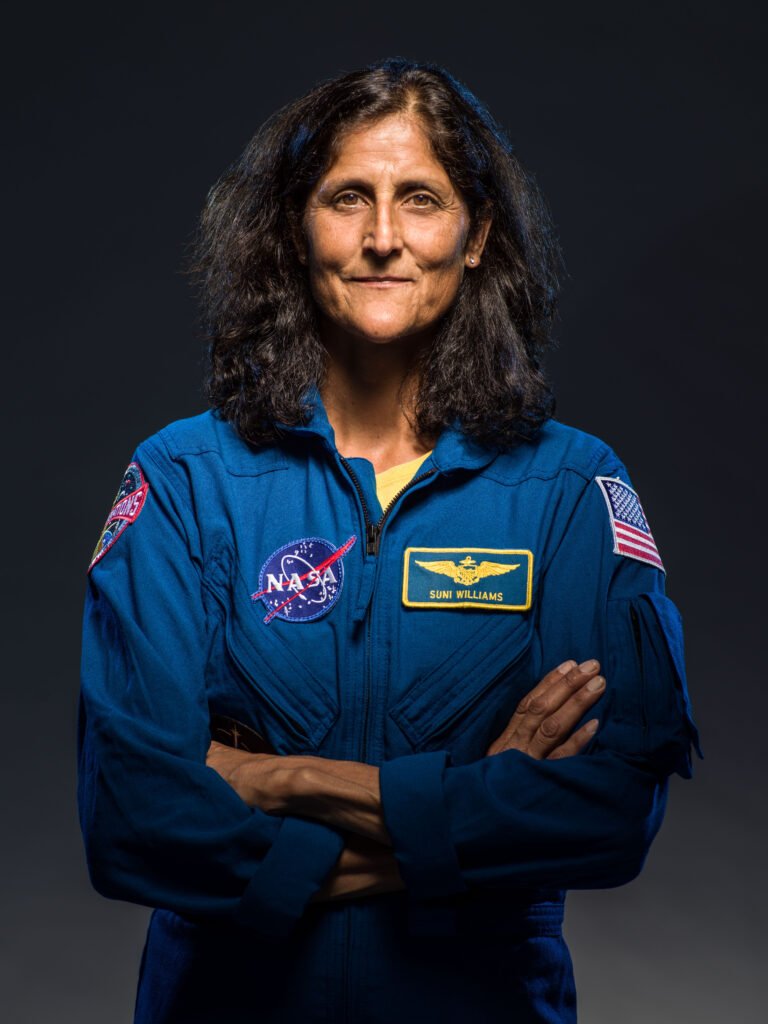
Born on September 19, 1965, in Euclid, Ohio, Sunita Pandya (later Williams) grew up with a passion for science and exploration. She graduated from the U.S. Naval Academy with a degree in physical science and later earned a master’s in engineering management — foundational training that would serve her well in demanding aeronautical and space missions.http://NASA astronauts
After commissioning as a Navy officer, Williams became a helicopter and fixed‑wing pilot with more than 4,000 flight hours across 40 aircraft — an impressive feat in itself. Her aviation experience played a crucial role in her selection by NASA as part of the astronaut corps in 1998.
Williams first reached space in December 2006 with Space Shuttle Discovery on STS‑116, beginning a career that would break barriers and establish her as a household name in human spaceflight.
Record‑Setting Missions and Challenges
Williams’s spaceflight career wasn’t just long — it was transformative.
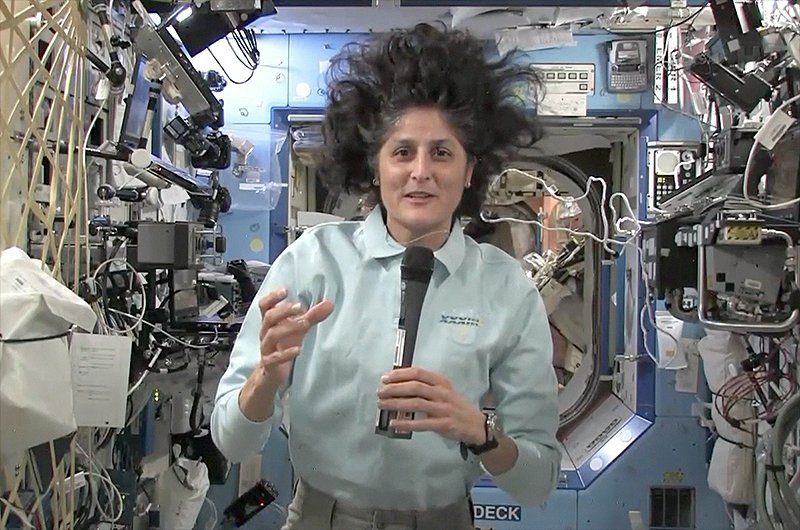
Her missions aboard the ISS included long‑duration stays that required scientific experiments, station maintenance, and international collaboration with space agencies from around the world. Throughout her career, Williams became known not only for her technical skills but also for her leadership during complex operations.
One particularly notable chapter came in 2024, when Williams was part of the first crewed mission aboard Boeing’s Starliner capsule. That mission was originally planned to last about a week, but technical issues with the spacecraft extended her stay aboard the ISS to over nine months. This unexpected challenge underscored her adaptability and steadiness under pressure — qualities that made her a respected leader within NASA and beyond.
Williams and her crewmate eventually returned to Earth in March 2025 aboard a SpaceX Crew Dragon capsule, underlining cross‑agency collaboration in human spaceflight.
Global Inspiration and Indian‑Origin Heritage
Though an American by nationality and citizenship, Sunita Williams’s heritage continues to be celebrated globally. She is of Indian and Slovenian descent, and her Indian‑origin background has been a source of pride and inspiration, especially among young students and aspiring scientists in India.http://Hindustan Times
During media interactions and public appearances, Williams shared stories of her connection to India, often speaking fondly of Indian culture and her family roots. In earlier missions, she famously carried personal items reflecting her heritage to the ISS — symbols of her identity and a reminder of the global nature of space exploration.
Following her retirement announcement, tributes poured in from scientific communities worldwide, highlighting her role as a global ambassador for space exploration.
Legacy Beyond Retirement
Sunita Williams’s retirement marks the end of a remarkable era, but her impact will continue — not only within NASA but across the broader space community. Her achievements have helped shape the trajectory of human exploration in low Earth orbit and beyond.
Her career contributes to NASA’s ongoing Artemis programme, which aims to return humans to the Moon and eventually send astronauts to Mars. Williams’s leadership, particularly in long‑duration missions and commercial spacecraft integration, has helped pave the way for these ambitious future endeavours.
In a world where space exploration is increasingly international and collaborative, Williams’s career stands as a model of excellence, endurance and curiosity — attributes essential to humanity’s future among the stars.
A Final Chapter Filled with Pride and Purpose
As NASA and its partners prepare new generations of astronauts, Williams’s legacy will be a cornerstone of human spaceflight. From her early days as a naval aviator to her record‑breaking missions in orbit, she has consistently demonstrated what is possible when passion meets perseverance.
Her retirement is not just a celebration of a historic career — it is a reminder of the human spirit’s limitless potential.