



We are excited that Prime Minister Narendra Modi will open the Dehradun Delhi Expressway on April 14. This is a big step for Uttarakhand’s roads and India’s growth in the north.
For us, it’s more than just a road. It’s a big win for engineering and education. It shows the government’s effort to make travel faster and better.
Many will watch the event. The media, politicians, business leaders, and experts will all be there. We’ll share more about the road’s design, its benefits, and how it will change travel in northern India.
Announcement and event details for the inauguration
We have the official word on the Dehradun Delhi Expressway opening. The Prime Minister’s Office and the Uttarakhand government have planned everything. They will share all the details soon.
Date, time, and location: The big day is April 14. It will happen at a special spot near Dehradun. The PMO and Uttarakhand will tell us the exact place and time later.
Official statements: The Prime Minister’s Office talked about the expressway’s benefits. It will make travel safer and boost business. The Government of Uttarakhand also spoke up, focusing on local growth and tourism.
Schedule highlights: The event will start with a big ceremony. Prime Minister Narendra Modi will give a speech. There will also be talks about the expressway’s design and how it will save time.
Invited dignitaries: Many important people will be there. This includes the Chief Minister of Uttarakhand and union ministers. There will also be local leaders and people from tourism and logistics.
Practical note for attendees: Make sure to check the PMO and state government websites for updates. They will tell us about parking and media access. Following the rules will make your visit smooth.
About the Dehradun Delhi Expressway
We explain the Dehradun Delhi Expressway’s purpose and technical details. It connects the National Capital Region with Dehradun. This reduces travel time and boosts access to Saharanpur, Roorkee, Haridwar, and logistics hubs.
The expressway starts at the Delhi border and goes to Dehradun. It crosses major NH stretches and state roads. Key interchanges are set up to make travel smoother to Saharanpur and Roorkee.
Feeder ramps lead to industrial areas and towns. The design aims to reduce weaving and conflict points.
Total length, lanes, and design specifications:
The corridor’s total length is detailed in official documents. It’s a controlled-access expressway. Lane numbers change based on traffic demand: four lanes in less busy areas, six to eight lanes where it’s busier.
Pavement sections are built to handle heavy loads and last a long time.
Expressway design meets high-speed standards. It has grade-separated interchanges and limited access. Service roads are added where needed.
Drainage systems manage monsoon runoff. Geotechnical measures secure slopes near the Shivalik foothills.
Key engineering features and construction partners:
Long-span bridges and flyovers are notable features. There are major culvert systems and retaining structures for slope protection. Special stretches handle waterlogging and seismic resilience.
The design also allows for future ITS-ready conduits. This is for traffic management systems.
Construction partners include major public agencies and private contractors. NHAI oversees the project. EPC and hybrid annuity arrangements are used with central ministries involved in financing and management.
Collaboration between engineering consultants and state agencies aligns with regional goals.
The technical focus is on pavement materials, soil stabilization, and drainage. It also covers structural details for the region’s hydrology and terrain. These features and construction partners make the infrastructure resilient for northern India.
Significance of the project for Uttarakhand
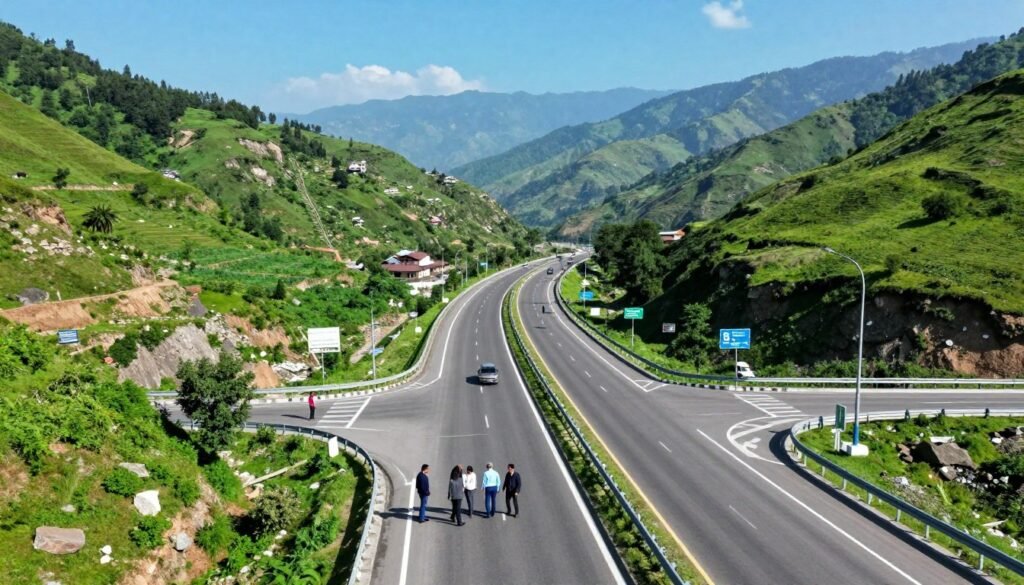
The Dehradun–Delhi Expressway is a big change for Uttarakhand. It will make travel faster and easier. This will help the region connect better with the National Capital Region.
Reduced travel times
This expressway will make trips shorter. It has fast lanes and special junctions. This means people can travel more easily, and goods can move faster too.
Improved regional mobility
It will make it easier to get to hospitals, schools, and markets. Emergency teams will get to hill towns quicker. It will also help rural areas connect to big cities.
Impact on tourism
It will make it easier for tourists to visit places like Dehradun, Mussoorie, Rishikesh, and Haridwar. More visitors will mean more jobs in hotels and tourism. Businesses can plan for more guests.
Local economic benefits
Building the expressway created jobs in the area. It also made more people want services like hotels and car repairs. This could lead to more businesses and jobs in the future.
Employment during construction
Local workers were hired for the project. They learned new skills and earned money. After it’s done, there will be more jobs in keeping the road up and running.
National infrastructure perspective
The Dehradun–Delhi corridor is more than a local road. It’s a key part of India’s effort to modernize its roads. It shows how special roads can make things faster and cheaper.
How the expressway fits broader plans
This project matches India’s big plans for better roads. It uses money from the center, follows standard designs, and protects the environment. It’s a model for other roads under Narendra Modi’s plans.
Comparative context with recent corridors
This road is different from others like the Delhi–Mumbai Expressway. It gives fast road access to Uttarakhand. It also offers a new path for traffic to northern hills.
Strengthening northern India connectivity
The road makes it easier to move goods across states like Uttar Pradesh, Haryana, and Uttarakhand. It helps with faster and safer movement of goods and people. It’s also good for defense and disaster response in a risky area.
We see the Dehradun Delhi Expressway as a big win. It makes the road network stronger and brings real benefits. It’s a lesson for making more roads across India.
Connectivity improvements between Dehradun and Delhi
The new corridor is a big change for daily travelers and freight. It makes the Dehradun Delhi trip faster and more reliable. This is good for both commuters and businesses.
Expected travel time savings and convenience for commuters
With controlled access and higher speed limits, trips are shorter and more predictable. This is great for office workers and families going to Uttarakhand.
Service areas and rest zones make longer trips more comfortable. These features are a big plus for those who travel often.
Interchange design and connectivity to existing highways
Grade-separated interchanges keep traffic flowing smoothly. The design of ramps makes merging safer and faster, reducing delays.
Connections to national and state highways are designed to avoid bottlenecks. This makes travel faster and easier for nearby towns.
Integration with public transport and logistics networks
We included bus terminals and park-and-ride facilities for public transport. This makes it easier to use buses instead of cars.
For freight, the corridor has centers for freight consolidation and upgraded feeder roads. This reduces costs and shortens delivery times for goods in northern India and Uttarakhand.
Economic impact and trade facilitation
We look at how the new route will change trade and business in the area. Faster travel between Dehradun and Delhi means easier movement of goods and services. This section talks about the benefits for carriers, investors, and local businesses, and how it will help the region grow in the long run.
Benefits for freight movement and logistics costs
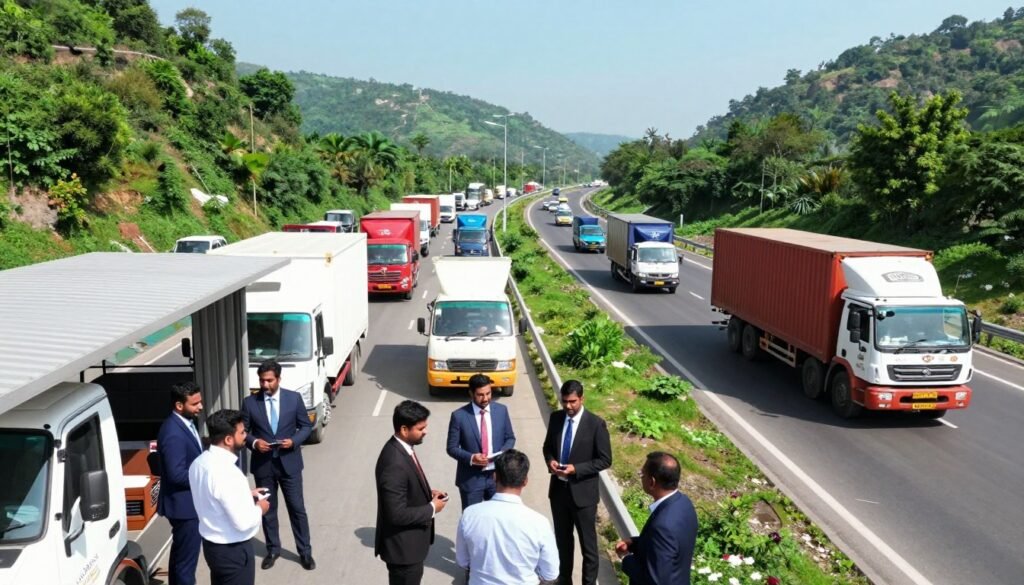
Shorter trips mean less time and fuel for vehicles. This lowers costs for businesses in Delhi NCR and nearby. Reliable travel times help suppliers plan better, warehouses manage stock, and retailers reduce extra stock.
Opportunities for local businesses and investments along the corridor
New service plazas, warehouses, and retail spots will pop up near exits. Investments along the corridor boost land values, drawing in developers. Small and medium businesses can find new opportunities in parts, maintenance, and hospitality.
Long-term economic multiplier effects for Uttarakhand
More transport links lead to new industries like construction supplies and tourism. These effects help Uttarakhand’s economy by creating jobs and bringing in more taxes. It’s important to watch traffic and land use to see how it affects growth.
Safety features and design for reduced accidents
We talk about how the Dehradun–Delhi corridor makes driving safer. It uses smart engineering, operations, and teaching people about safety. The goal is to make crashes less severe and handle them quickly.
The design has special barriers, rumble strips, and special surfaces on sharp turns. This reduces the chance of accidents. Clear signs and reflective markers help drivers stay in their lane at night.
Safe ramp designs and fewer conflict points help drivers make predictable moves. This leads to fewer accidents on the road.
Emergency response systems and patrol services
There are special lanes for emergencies and a helpline for quick help. Traffic centers use cameras and sensors to find crashes fast. They send medical teams quickly.
Rapid-response teams work with police and ambulances to manage the scene. They try to prevent more accidents.
Standards followed for safety and maintenance
The design and building follow Indian safety rules. They make sure the road, signs, and shapes are safe. Regular checks and maintenance keep the road in good shape.
Regular audits and teaching people about safety help keep the road safe. This mix of engineering and driver education works well.
Environmental considerations and mitigation
We look at how the team tackled the environmental impact of the Dehradun Delhi Expressway. They took real steps to lessen harm. These steps included changing the route, building noise barriers, and managing runoff.
Ongoing checks and audits make sure the project meets environmental rules. This is thanks to clearances from both central and state bodies.
Environmental impact assessments and key findings
Deep studies found sensitive areas near water, forests, and animal paths. They showed risks to soil and water during construction. The team suggested ways to control sediment, stabilize slopes, and excavate carefully to avoid erosion.
Afforestation, wildlife crossings, and green measures
Plans for planting native trees aim to restore forests. This will help the Uttarakhand environment. The design also includes underpasses and overpasses for animals to cross safely.
Waste management and pollution control during construction
Builders must manage waste carefully. This means separating it, recycling materials, and disposing of harmful waste safely. They also control dust, manage vehicle movements, and keep fuels and bitumen safe.
Measures to protect water and soil are in place. These include traps for silt, controlled drainage, and planting on disturbed slopes. Environmental plans set up regular checks and actions to keep the project on track.
Project timeline and construction milestones
We look at the Dehradun Delhi Expressway project from start to finish. We talk about important milestones and the role of the National Highways Authority of India. We also discuss the teams that worked together to make it happen.
Major phases: The project started with studies and a detailed report. Then, land was bought and clearances were given. Next, tenders were awarded to contractors for different parts of the project.
Civil works included earthworks, bridges, and pavement. Testing and commissioning came last before it was opened.
Key dates and construction milestones: The project got approval and money was set aside. Earthworks started, followed by bridges and grade separators. Then, pavement was laid and safety checks were done before it opened.
Project challenges: The team faced tough land issues and delays from the monsoon. There were also problems with getting materials and getting environmental approvals. Geotechnical surprises were found in some areas.
How challenges were addressed: The team talked to stakeholders and built in phases to avoid weather problems. They bought materials fast and watched contractors closely. They fixed geotechnical issues and checked quality regularly.
Contractors and agencies: NHAI managed the project and contracts. Big contractors did the civil work with help from engineers and state agencies. Teams from surveyors to labs made sure everything was done right and safely.
Funding, cost and economic viability
We explain the money side of the expressway. It shows how the project’s future looks. Knowing the cost helps everyone see if it’s worth it.
Total project cost and funding sources
The budget includes buying land, building, and fixing utilities. Money comes from the government, NHAI, and states. Private money helps too, sharing the risk.
Public-private partnerships and financing models used
There are different ways to fund it. Some parts use EPC contracts, others the Hybrid Annuity Model. These methods help keep costs down and quality up.
Expected return on investment and tolling policy
How much money it makes depends on traffic and tolls. Tolls vary by vehicle type to cover costs. Savings in travel time and lower costs are also considered.
Good financing practices make it work for the long run. This way, the expressway benefits everyone for years to come.
Public reaction and stakeholder perspectives
We’ve watched how people, businesses, and groups have reacted to the project. The Dehradun Delhi Expressway has sparked both joy and concerns. People are excited about faster travel but also want to see local problems solved.
Statements from local leaders and resident groups
Uttarakhand leaders like Pushkar Singh Dhami see the expressway as a job creator and tourist booster. Local groups are happy about faster travel. But, some villages want clear plans for land and road issues to protect their way of life.
Industry and logistics sector responses
Big logistics companies and trade groups are upbeat. They think the expressway will cut down travel times and costs. Hotels and tour operators see more visitors coming, planning to grow their services.
Feedback from environmental and civic organizations
Environmental groups are careful in their praise. They want to make sure wildlife and trees are protected. Civic groups want honest reports on how the project affects the area and how to keep it clean.
We, as engineers and planners, believe listening to everyone is key. We need to keep checking how the project is doing and talk to the community. This way, we can make sure everyone benefits in the long run.
Media coverage and live reporting plans
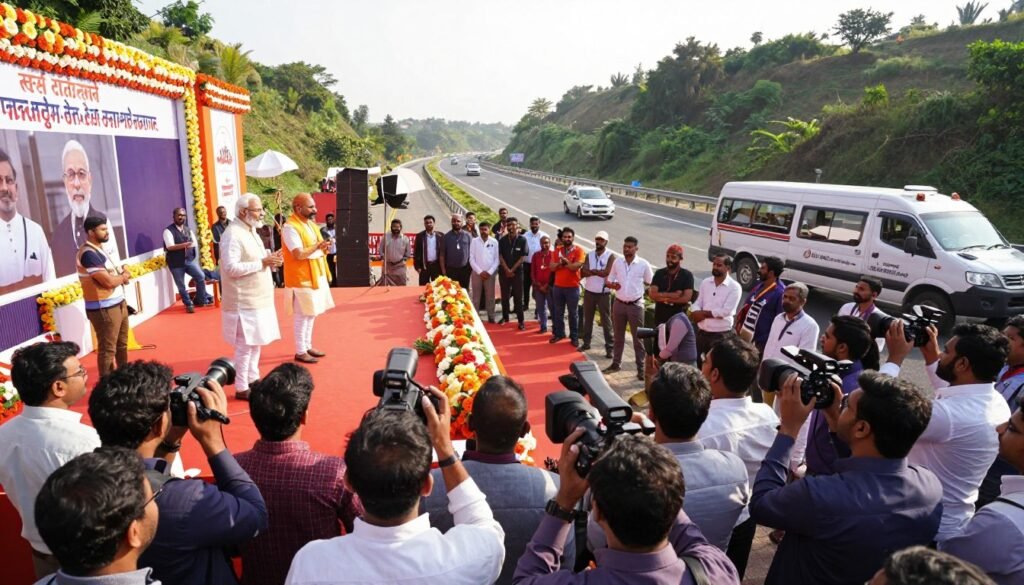
We explain how the inauguration will reach people in India and abroad. National and local media in Uttarakhand will cover it. They will share news before, during, and after the event.
How national and local media will cover the inauguration
Big TV channels and newspapers will work together. They will have reporters on the ground and experts on TV. Local reporters will talk about how it affects people and travel.
Technical journals will look into the design. This way, everyone gets a full view of the event.
Broadcast, live stream, and social media updates to watch
The Prime Minister’s Office will live stream the event. TV stations will show it and add their own comments. It’s best to follow official social media for updates.
Official photo and video releases post-event
After the event, the PMO and project teams will share photos and videos. They will also give out technical details. These are great for teachers, students, and anyone interested in the project.
Follow the Ministry of Road Transport and Highways, NHAI, and the Uttarakhand government on social media. They will post official updates. Always check NHAI documents for facts when using photos and videos.
How the expressway supports Narendra Modi’s development agenda
The Dehradun Delhi Expressway policy is a key part of bigger plans. It shows how Narendra Modi wants to improve roads and access. It also shows how technical improvements lead to policy changes.
This project helps the national push for better infrastructure. It aims to cut down on delays and support Make in India. It shows how to work together, use new ways of building, and track progress online.
Political significance and messaging around the inauguration
The inauguration is very important. It shows the government’s ability to deliver big projects. It shows the government’s focus on the economy and helping different areas.
Previous key infrastructure inaugurations under the same administration
Before, there were big openings like parts of the Delhi–Mumbai Expressway. These projects show a pattern of ongoing investment. They help tell the story of steady progress.
Travel tips for motorists and travelers on opening day
We have some useful tips for the big day. They help engineers, commuters, and tourists get around easily. Remember, there will be more traffic than usual near the ceremony.
Traffic outlook: The authorities will control the traffic on Dehradun Delhi Expressway. They will use temporary diversions and manage access near the launch point. So, plan to leave early and try to avoid rush hours.
Alternate routes: If you need to take a different way, NH-334 and local roads are good options. Make sure your GPS is on and check the state’s transport website for updates on these routes.
Safety advice motorists: Always follow the directions of marshals and police. Stick to the speed limits and don’t stop on the road. Also, make sure your car is ready for any unexpected delays.
Documentation and access: You might need a guest or media pass, a photo ID, and a vehicle permit to get in. Check the official Uttarakhand travel advice before you go to know what to expect.
Parking inauguration zones: The state will tell you where to park and watch the event. Use the official parking spots for your safety. Don’t park on the side of the road near the expressway.
For technical observers: If you’re an engineering student or pro, you need to get permission from NHAI or your school. This way, you can get to the technical areas and get the most out of your visit.
Final practical note: Be patient, bring water and snacks, and keep an eye on the radio or official announcements. This will help you stay updated on any changes in traffic on the big day.
Long-term maintenance and operational plans
We explain how to keep the new road safe and working well. Clear plans guide regular work, money, and future upgrades for the Dehradun Delhi Expressway.
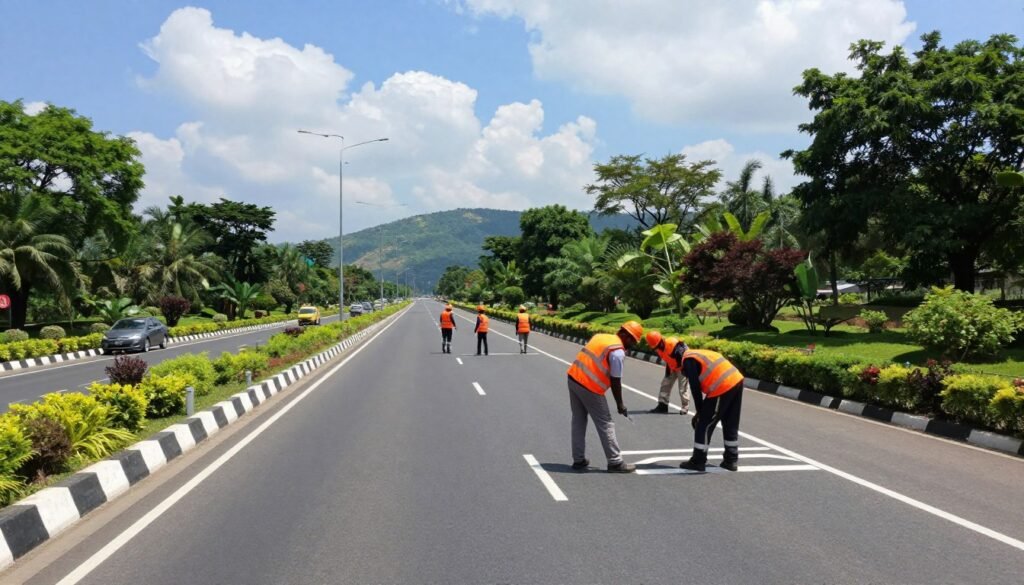
The National Highways Authority of India will oversee NHAI maintenance. A special unit will manage the expressway’s assets and contracts. State public works departments will handle operations at junctions and local areas.
Funding and staffing
Money for upkeep might come from different sources. We expect a mix of outside contractors and in-house teams for daily tasks. Clear agreements will set standards for work quality and response times.
Operational activities
Regular tasks include fixing the road, clearing drains, and controlling weeds. They also include electrical and ITS upkeep, bridge checks, and sign maintenance. These tasks are key to keeping the road in good shape.
Planned upgrades
There are plans for future improvements. These include adding more lanes, better ITS systems, and freight terminals. Upgrades will be done in phases to match growing traffic.
Resilience and lifecycle management
Plans include making the road more resilient to climate changes. Regular checks and targeted repairs will help the road last longer. This reduces disruptions during operations in Uttarakhand.
Conclusion
The Dehradun Delhi Expressway is a big step for travel and planning in the region. It opened on April 14, thanks to hard work and planning. This expressway will make trips shorter, help goods move faster, and boost tourism and local shops.
This project is a great example for engineers and students. They can learn about designing and building big roads. It shows how to mix public money, contractor skills, and care for the environment in future projects.
The success of the expressway will be seen in how well it works over time. We will watch how it affects travel times, safety, and the local economy. This will show if the promises made at the opening were kept.
Engineers, planners, and teachers should keep up with news and reports on the expressway. This way, it can be a model for better roads and stronger connections in Uttarakhand.