



Nearly one in three young Indians who apply for credit have no formal credit record. The Ministry of Finance says this alone cannot be a reason to deny loans.
Minister of State for Finance Pankaj Chaudhary has clarified this. The RBI Master Direction dated January 6, 2025, says lack of a Credit Information Report is not enough to reject a loan. This change by the Govt looks at more than just a credit score when deciding on loans.
This guidance means RBI has not set a minimum credit score for giving credit. Lenders must use their own policies and make smart decisions within rules. For first-time borrowers, like homebuyers, recent graduates, or entrepreneurs, this makes it easier to get formal credit.
We will explore what this means for getting loans, how lenders might change their ways, and why it’s good for financial inclusion in India.
Understanding CIBIL and Its Importance
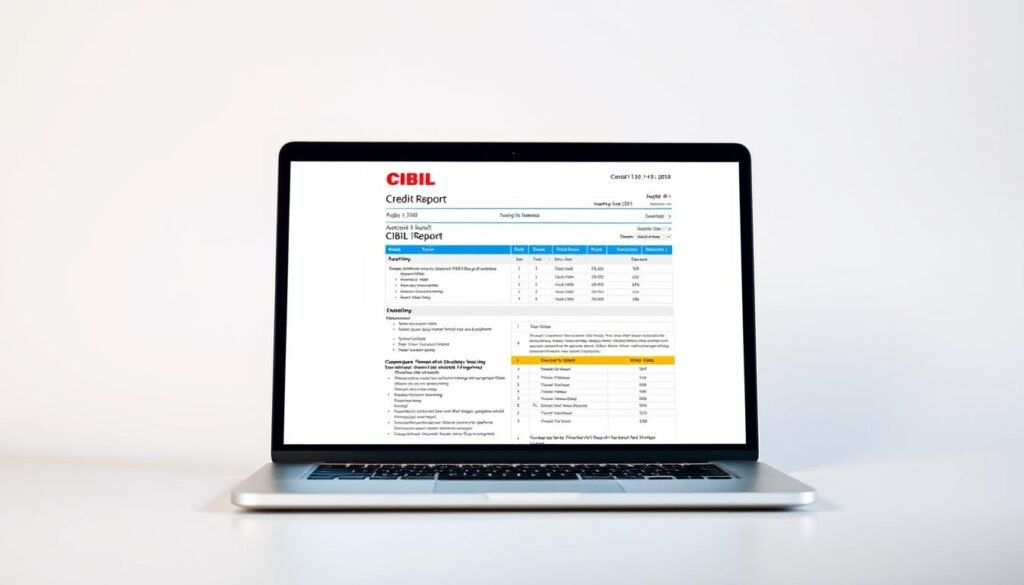
We explore how CIBIL fits into India’s credit world. It’s key for lenders to check a credit report. You’ll learn what makes up a credit history and how it affects loan decisions.
This guide is for those new to borrowing. It shows how past payments can open doors to future credit.
What is CIBIL?
CIBIL stands for Credit Information Bureau (India) Limited. It’s one of four RBI-registered firms that collect and share credit histories. The others are Equifax India, Experian India, and CRIF High Mark.
These companies gather data from banks and NBFCs. They create credit reports and scores for each person.
The CIBIL score is between 300 and 900. It shows how well you’ve managed your loans and debts. Lenders use this score to decide on loans and credit cards.
How CIBIL Affects Loan Applications
A credit report includes important details for lenders. These are payment history, outstanding balances, and credit mix. It also shows any settled or charged-off accounts.
RBI doesn’t require a minimum credit score for loans. The Finance Ministry says lenders can use credit reports but not solely. If there’s no credit history, it’s not a direct refusal.
Credit Information Companies might charge for detailed reports. RBI lets you get one free report with score each year if you have a history. More reports cost a little.
Knowing this helps applicants prepare better. It also helps them choose lenders that look at more than just credit history.
Government Initiative for First-Time Borrowers

We’re talking about a new policy that changes how banks look at new borrowers. The Finance Ministry and the Reserve Bank of India agree: banks shouldn’t turn down first-time borrowers just because they don’t have a credit history. This new rule tells banks to look at more than just a credit score.
Overview of the New Directive
This new rule says not having a CIBIL record isn’t a reason to say no. Banks should look at other things like income proof, bank statements, and how well you pay bills. This way, they can make fair decisions without just looking at one score.
Banks can decide how much credit to give, but they can’t just say no to everyone. The RBI says banks can use Credit Information Reports, but they can’t just say no because of no CIBIL.
Objectives of the Initiative
The main goal is to help more people get credit. By not automatically saying no, more people can get loans. This helps new businesses and individuals get the money they need to grow.
This policy also wants to make it clearer who can get credit. Banks are encouraged to be open about their rules and use different ways to check if someone can get a loan. This should lead to more people getting loans in a fair way.
| Focus Area | What Changes | Expected Impact |
|---|---|---|
| Credit Assessment Inputs | From sole reliance on credit bureau scores to multi-source appraisal | Richer borrower profiles; fewer blanket denials |
| Borrower Eligibility | Transparent, documented criteria that do not exclude No CIBIL applicants | Clearer access paths for first-time borrowers |
| Regulatory Position | RBI guidance reinforced by Finance Ministry; lenders keep board-approved discretion | Fairness preserved; due diligence maintained |
| Market Adoption | Encourages alternative scoring and data analytics | Innovation in credit models; improved inclusion for micro-entrepreneurs and young professionals |
Benefits of No CIBIL Requirement for Borrowers

We support a policy that makes it easier for first-time borrowers. By not requiring a strict CIBIL check, we open doors for those who were once left out. This move helps more people get credit while keeping lending safe.
There are quick wins for both consumers and the economy. More loans for homes, small businesses, and everyday needs are approved. Lenders now look at income, job stability, bank statements, and other scores. This means fewer loans are turned down just because of a missing credit history.
Easier Access to Credit
First-time borrowers, like students, gig workers, and rural entrepreneurs, face fewer rejections. Banks and NBFCs can approve loans based on how well borrowers can repay. This gives newcomers a better chance at getting loans without skipping important checks.
Encouraging Financial Inclusion
Financial inclusion is a big win. With credit not just tied to CIBIL, more people can access formal finance. This opens doors to building assets, starting businesses, and strengthening families.
We must keep safety in mind. Lenders should check income, cash flow, and manage risks well. The goal is to offer more access while ensuring loans are given wisely.
Alternative Credit Assessment Methods

We look into how lenders judge applicants without a CIBIL file. Banks, NBFCs, and fintechs use more data to check creditworthiness. This mix of old and new helps meet changing credit score needs.
How Lenders Evaluate Creditworthiness
Lenders first check income proofs like salary slips and bank statements. These show if you can pay back loans.
They also look at your transaction history and utility payments. Regular payments show you’re responsible. Rent history and employer records help understand your job stability and risk.
They use scorecards that weigh these factors. They also check employer credibility and past banking relationships for a better picture.
Emerging Technologies in Credit Scoring
Fintech firms use machine learning to look at new signals. They analyze mobile phone use, e-wallet activity, and social payments to guess repayment behavior.
APIs and open banking help gather data quickly with your consent. This detailed view helps approve loans faster, without just looking at credit scores.
| Data Source | What It Reveals | Role in Decision |
|---|---|---|
| Bank statements | Inflow/outflow patterns, salary consistency | Primary input for repayment capacity |
| Tax returns (ITR) | Long-term income and declared earnings | Validates declared income for larger loans |
| Utility and rent payments | Payment regularity and living obligations | Signals bill-payment discipline |
| Employment records | Job permanence and employer credibility | Adjusts risk weighting in internal scorecards |
| Mobile and e-wallet data | Spending habits and digital transaction frequency | Feeds machine-learning models for alternative credit assessment |
| Account aggregation APIs | Consolidated transactional view across banks | Enables faster, granular underwriting |
Regulators like the Reserve Bank of India want new methods to be clear and safe. We must make sure these methods follow rules and are open to borrowers.
Using these methods helps more people get loans. Lenders can set fair standards without needing a traditional credit history.
Challenges Faced by Lenders

We welcome the policy change that prevents denied loans for first-time borrowers without CIBIL scores. Lenders face immediate changes in how they operate and make credit decisions. They must now figure out how to verify borrowers, make loans, and manage their money under new Govt regulations.
Risk Management Concerns
Risk management must adapt to the lack of repayment history. Underwriters might think borrowers are riskier without past data. This could lead to stricter loan requirements, more collateral, or higher interest rates to protect their money.
Pricing and how lenders use their money will change. Banks and NBFCs might raise interest rates or adjust their capital reserves. These changes could make borrowing more expensive for new customers.
There’s a bigger risk of fraud and verifying borrowers’ identities when using new data. Lenders need to improve their Know Your Customer (KYC) checks, verify documents better, and use fraud detection tools. Investing in analytics and identity checks is essential to keep their loans safe.
Balancing Accessibility and Responsibility
We need to make sure lending is both accessible and responsible. Expanding credit shouldn’t mean taking on too much risk. Lenders must create clear rules for who gets loans, protecting consumers and following the law.
Changing policies and training staff will add to lenders’ work. They’ll need to update their technology, check vendors, and train employees. These costs are real and immediate.
To keep trust and stability, lenders should test new credit products carefully. They should watch how these products perform and adjust their lending based on what they learn. This way, they protect their depositors and help new borrowers get credit responsibly.
The Impact on Lending Institutions

We look at how banks and NBFCs will adjust to the new rules. This change affects how they work, manage risks, and make loans. They must find a balance between helping more people and being careful with money.
Adjusting Credit Policies
Boards and risk teams need to update their credit policies. They must accept people without a credit report. It’s important to have clear rules for who can get a loan.
Lending teams can set rules for new accounts. Loan systems must use new data for better decisions. Compliance teams must keep records for RBI checks and audits.
Training Staff on New Guidelines
Training is key. Staff need to learn about new ways to check credit and use scorecards. They should know how to spot problems and handle them.
It’s good to have exercises and regular updates. Teaching how to keep records is also important. This helps make good loan choices and helps more people get loans.
Potential Benefits for First-Time Borrowers

We welcome the change that lets first-time applicants seek credit with No CIBIL records. This shift can open doors while keeping safeguards in place. Below we outline how early access to credit can help individuals and communities build stable financial futures.
Building Credit History
When a lender grants an initial small loan, timely repayments create a published record. That track record supports future loan approval and helps in building credit history with credit information companies.
Starter products — such as micro-loans from HDFC Bank or ICICI Bank, entry-level personal loans, and secured small-ticket credit — act as credit ladders. Responsible repayment lowers borrowing costs and improves access to larger credit over time.
Opportunities for Growth
Access to capital fuels entrepreneurship, education, and housing choices. Micro-enterprises can expand, students can invest in higher studies, and families can make stable housing decisions. These opportunities for growth create income generation and asset formation across communities.
Beyond finance, early use of formal credit promotes disciplined money management. Coupled with targeted financial literacy, borrowers learn budgeting and default avoidance — habits that strengthen long-term creditworthiness.
We must note a caution: inclusion without clarity can backfire. Lenders and regulators should ensure transparent terms and clear communication on interest rates and repayment obligations so the benefits for borrowers become durable and fair.
Real-Life Success Stories

We’ve collected real stories of people who benefited from new lending rules. These stories include home purchases, small business loans, and personal credit based on salary. Lenders looked at cases they might have denied before, giving new chances to applicants.
Individuals Who Benefited from the Program
In Pune, young buyers got home loans based on their salary and bank statements. A software engineer got a mortgage with proof of income and cash flow, not just a credit score. In Chennai, small business owners got loans from a bank that changed its rules for first-time borrowers.
Loan advisors in Bangalore saw more applications from people who were denied loans before. These included recent graduates and gig workers without credit history. Lenders looked at other ways to check if they could pay back the loan, giving them smaller loans to start building credit.
Community Impact Stories
Local experts say they’re seeing the community benefit. Starter loans helped a group of small retailers grow, creating jobs. More people are now using banks, showing a need for formal banking services.
This has led to more businesses and better bank deposits. It helps more people get into the formal economy, making it easier for them to get credit in the future.
We’re watching how these changes affect the market and people’s financial lives. It seems that making credit more accessible is helping local jobs and businesses grow.
The Role of Financial Literacy
We think knowing the facts leads to better choices. For new borrowers, learning the basics is key. It helps them understand interest, EMIs, and penalties.
Understanding Credit
Getting credit means knowing your credit statement and what affects your score. Knowing what makes you eligible helps avoid credit damage. Always check your eligibility before applying and ask for clear quotes on interest and fees.
Resources for First-Time Borrowers
There are many resources for new borrowers. Look at RBI publications, bank education programs, and modules from the National Institute of Securities Markets. Fintech platforms and credit info companies also offer guides and free annual credit reports.
Keep an emergency fund, check bank statements monthly, and use budgeting tools. If you’re unsure, talk to a certified financial counselor. They can help with complex loan terms.
Lenders should help by giving clear information and tools for planning repayments. When education and access go together, borrowers feel more confident. This makes the system stronger.
Future Implications of This Policy
This policy change is a big deal for India’s credit world. It will make it easier for new borrowers to get loans. This shift will change how lenders work and how customers get loans.
Long-term Effects on the Credit Market
More people will get loans for the first time. This will help more people get credit and grow the market. Banks like State Bank of India and HDFC Bank will see more demand for loans for beginners.
Lenders will need to update their risk models and plan their capital better. Credit agencies like TransUnion CIBIL will get more data. This will make credit scores more reliable and help lenders find the right customers.
We expect to see new loan products and more from fintechs like Paytm and Bajaj Finserv. There will be loans for people with little credit history. This could lead to better deals for many people.
Potential Changes in Consumer Behavior
More people will use credit early on. Young professionals and new business owners might take out small loans. This could help more people build good credit.
But, if people don’t understand their loans, there could be more defaults. The Reserve Bank of India and the Finance Ministry will watch closely. They want to make sure everyone is protected and the system stays stable.
We think people will start to see credit as a tool, not just a last resort. This will happen if there’s clear information, education, and the right loan products.
| Area of Change | Short-Term Outcome | Long-Term Effects |
|---|---|---|
| Borrower Base | More first-time applicants enter the system | Broader retail credit penetration and diversified borrower profiles |
| Credit Data | Initial thin-file challenges for scoring | Richer datasets improve score accuracy and segmentation |
| Product Offerings | Launch of starter loans and fintech pilots | More tailored products and competitive pricing |
| Consumer Behavior | Early adoption of formal credit by young cohorts | Normalized credit-building practices and shifting repayment norms |
| Regulation | Close monitoring by RBI and Finance Ministry | Refined guidance to balance inclusion, protection, and stability |
How to Apply for Loans Without CIBIL
We show you a simple way to get loans if you don’t have a CIBIL history. Lenders now look at other things and make plans just for you. This can really help you get a loan.
Steps to Consider
First, check if you meet the lender’s rules. Look at income, job length, and what the loan is for. Start with small loans or ones that need collateral, like gold loans.
Get ready with other proof: bank statements, pay slips, and tax forms. Self-employed people need GST or business records. Utility bills prove where you live.
Look at different places to borrow from. Many accept people with little credit history. Get pre-approval to know what you’re getting into. Always tell the truth and give accurate documents to speed things up.
Essential Documents Needed
You’ll need ID like Aadhaar or a passport. Also, proof of where you live, like bills or a rent agreement. For work, show recent pay slips or bank statements.
Self-employed folks need to share business records. Entrepreneurs might need Udyog Aadhaar. For loans that need something as collateral, bring the papers.
Lastly, agree to credit checks and ask for a free credit report. This makes sure you really don’t have a credit history before you apply.