



Climate change is making heatwaves worse, and protecting India from them is key. The Indian Meteorological Department shows a big increase in extreme heat. This calls for quick and strong actions.
Groups like the World Health Organization and local charities are stepping up. They’re starting new projects to help communities get stronger. These efforts focus on protecting people from heat and improving their health.
The Growing Challenge of Heatwaves in South Asia
Heatwaves in South Asia are becoming a big problem for communities. Climate change is making the world warmer, leading to more and worse heatwaves. In places like India, the situation is getting critical.
The IPCC says many areas in South Asia are seeing temperatures rise faster than the global average. This is a serious issue.
Urban areas are making things worse. Cities struggle to handle the heat. People living in slums are at the highest risk.
They don’t have the cooling systems or emergency help they need. This makes them more likely to get sick from the heat. It’s important to find ways to keep them safe.
International Organizations Unite for Community Protection
Extreme heat is a growing threat worldwide. International groups like the World Health Organization (WHO) and the Red Cross are working together. They team up with non-governmental organizations (NGOs) to fight heatwaves.
These groups share knowledge and resources to help communities get ready. This teamwork builds a sense of unity and helps communities take action. It turns them from just needing help to being able to handle heat on their own.
By focusing on community-led solutions, we become more adaptable and sustainable. Learning together helps communities face climate change with more confidence. This approach is key to overcoming the challenges of extreme heat.
Introducing Climate Heat Protection Initiatives
The launch of climate heat protection initiatives is a big step in fighting heatwaves. These efforts aim to make communities stronger and protect health. We focus on urgent needs and work with many groups to create effective programs.
Objectives of the New Programs
New programs aim to raise awareness, set up cooling centers, and improve medical responses. They aim to get people involved and ready for extreme weather. Building strong community support is key for effective responses.
Key Players Involved
Government agencies, local NGOs, and schools are key in climate health. They work together to find solutions for community needs. Their teamwork leads to innovative, effective, and lasting programs.

Heatwave Protection India: A Focus on Local Needs
In India, fighting heatwaves means looking at each area’s unique challenges. A detailed local needs assessment is key. It helps find out what each place needs based on its weather and culture.
For example, cities often need public cooling spots to help people when it’s very hot. But in rural areas, teaching people about heat dangers and how to avoid them is more important.
Listening to local people is essential. It helps create solutions that really work for them. This way, communities can grow stronger and more united in facing heatwave challenges.
By working together, we can make plans that fit each area’s needs. This makes India better equipped to handle heatwaves.
Innovative Approaches to Public Safety Initiatives
As heat challenges rise, the need for new public safety ideas grows. By mixing climate science with health planning, we can create better strategies. These strategies help us get ready for extreme heat and keep our communities safe.
Combining Climate Science with Health Planning
Using climate science in health planning is a big change. It lets health teams predict heat waves and take steps to lower health risks. This way, we can make smart choices and protect those most at risk during hot weather.
Case Studies of Successful Interventions
Looking at successful examples shows how new safety ideas work. In Ahmedabad, a temperature alert system cut down on heat deaths. By studying these successes, we can help other places fight heat waves too.
Climate Resilience Strategies for Vulnerable Populations
Heatwaves are getting more common and severe. It’s critical to protect vulnerable groups with effective strategies. These communities often struggle more with extreme heat. Creating detailed heat health plans is key.
These plans should meet the unique needs of these groups. This way, they can better adapt to heatwaves.
Working with local communities is important. It helps them feel involved and responsible. Together, they can spot their strengths and weaknesses during heatwaves.
Training healthcare workers in these areas is also vital. It teaches them about heat illnesses and how to prevent them. This gives people the tools to handle heat-related health issues.
Building resilience is a team effort. It requires everyone working together and sharing resources. This not only helps vulnerable groups but also improves community health as a whole.
By joining forces, we can create a strong defense against climate change. This way, those most at risk can face heatwaves better.
Extreme Weather Preparedness: Best Practices
As extreme weather threats grow, it’s key to prepare well. Training programs boost knowledge and skills, helping people handle crises better. By following best practices, we reduce risks and build a strong community.
Training and Awareness Programs
Training and awareness are key in extreme weather prep. Special programs teach how to spot heat stress and act fast. For example, workshops teach safety during hot times.
In hot areas, these programs are a big help. They educate people, making them more resilient.
Community Engagement in Climate Health Programs
Getting the community involved in climate health programs makes a big difference. We start info campaigns and workshops together. This makes people eager to share what they’ve learned.
When we all work together, we spread the word about staying safe in extreme weather. This unity makes our communities stronger.
The Importance of Public Awareness Campaigns
Public awareness campaigns are key in fighting heat-related health risks in communities. They teach people about the dangers of high temperatures. This helps fight off the idea that heat is not a big deal.
These campaigns share important info. They teach people how to stay safe during hot weather. This way, everyone can protect themselves and their families.
Working with local media can make these campaigns more effective. It helps spread the word to more people. When communities know the risks, they can better face extreme heat.
This knowledge helps everyone work together. It makes it easier to deal with the rising temperatures. It’s a step towards making our communities stronger against heat.
Monitoring and Evaluation of Initiatives
When we work on climate heat protection, it’s key to watch and check our progress closely. We need clear goals to know if we’re doing well. This helps us make sure our efforts are effective.
Checking in regularly is important. We look at things like how many people get sick from the heat and how many join our programs. These numbers tell us if we’re making a difference.
Our work needs to be based on real data. By always improving our methods, we keep our efforts strong. This helps us better protect people from the heat in South Asia.
The Role of Local Governments and Stakeholders
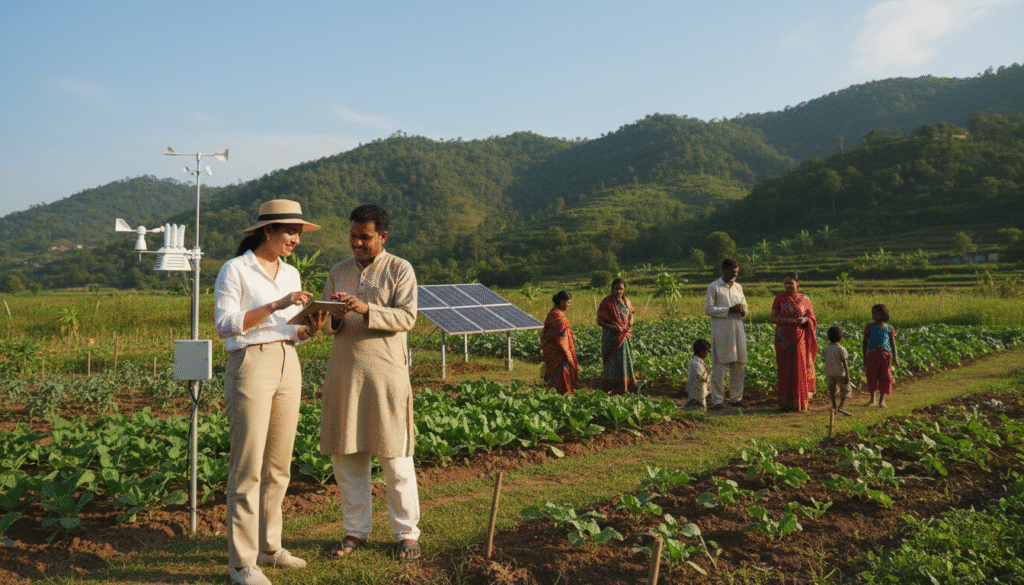
Local governments are key in starting heat protection plans. They connect state policies with community needs. Their work is vital for working together on climate health.
They need strong systems to tackle rising temperatures and heatwaves. This is a big challenge.
Working together, local governments, non-profits, businesses, and schools share resources. This teamwork leads to new ideas for each community. For example, local groups use research to make better policies. Businesses help with technology that meets climate goals.
Good communication is essential in these partnerships. It makes sure everyone’s voice is heard. This builds trust and gets people involved, which is key for success.
Conclusion
Protecting South Asia from climate heat needs a team effort. Local governments, community members, and more all play key roles. Together, we can build stronger communities against rising temperatures.
Looking at the efforts made, we see the importance of being ready for extreme weather. We must teach people about these risks and plan for health and climate together. Success stories guide us as we work towards a better future.
We all have a part to play in making a resilient future. By working together, we can protect those most at risk from climate change. Let’s join forces to face challenges and build a safer tomorrow for South Asia.