



Did you know a big earthquake hit Myanmar recently? It was a 6.9 on the Richter scale. This disaster left many families without homes and needing help.
India quickly stepped in with “Operation Brahma.” This effort is all about helping those affected. It shows how countries can come together in tough times.
We will look into Operation Brahma more. We’ll talk about its goals, how it works, and what kind of help it offers. This shows how people can stand strong together, thanks to India’s help.
Overview of the Myanmar Earthquake
The recent Myanmar earthquake had a magnitude of 6.8. It happened near Mandalay. This event caused a lot of damage and displaced thousands.
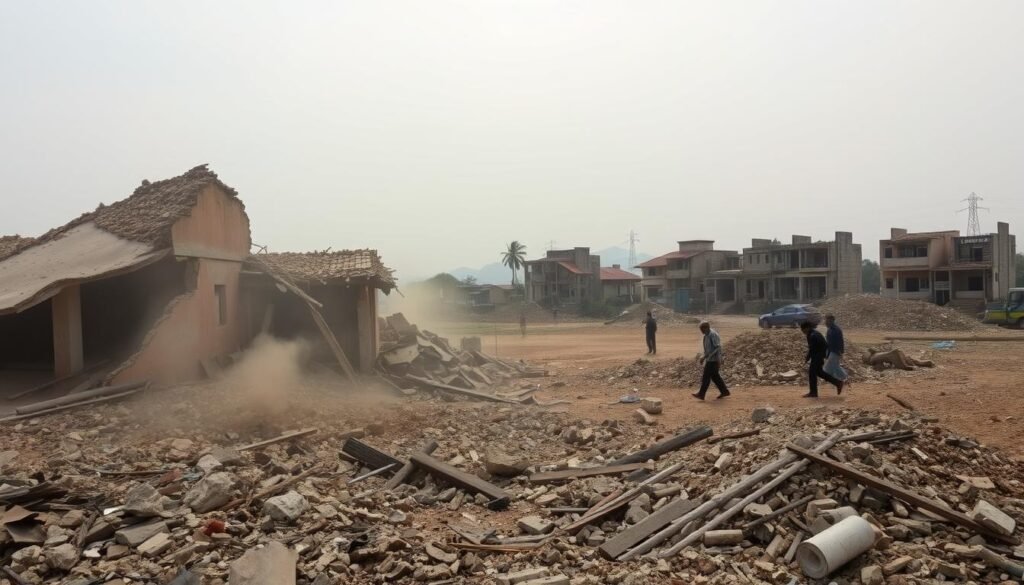
Buildings fell, roads became blocked, and many neighborhoods were hit hard. The damage is both immediate and long-term for those affected.
Magnitude and Epicenter Details
The earthquake was very strong. It started 10 kilometers deep, near Mandalay. This made the impact even worse.
People felt strong aftershocks. This made them very scared. Many looked for safety in the uncertain times.
Impact on Local Communities
The damage to homes, schools, and health centers was huge. Many families lost their homes. This caused a lot of emotional pain.
People lost their belongings and community resources. They need help to rebuild physically and emotionally.
Government Response in Myanmar
The Myanmar government quickly reacted to the disaster. They worked with local groups to send help. They also got support from international organizations.
The goal is to help people quickly and start recovery plans. They want to make sure everyone’s well-being is taken care of.
The Role of India in Disaster Relief
India helps in global humanitarian efforts, like in Myanmar. This shows a deep respect and cultural bond between them. India’s disaster relief helps both in the short and long term, strengthening their ties.
Historical Context of India-Myanmar Relations
India and Myanmar share a long history and culture. Their close location adds to their bond. This history guides India’s help during crises, showing its commitment to aid.
Significance of India’s Humanitarian Aid
India’s aid is key to regional stability. It helps communities and boosts India’s role in the region. Through efforts like Operation Brahma, India builds trust and improves relations.
Operation Brahma: Details and Objectives
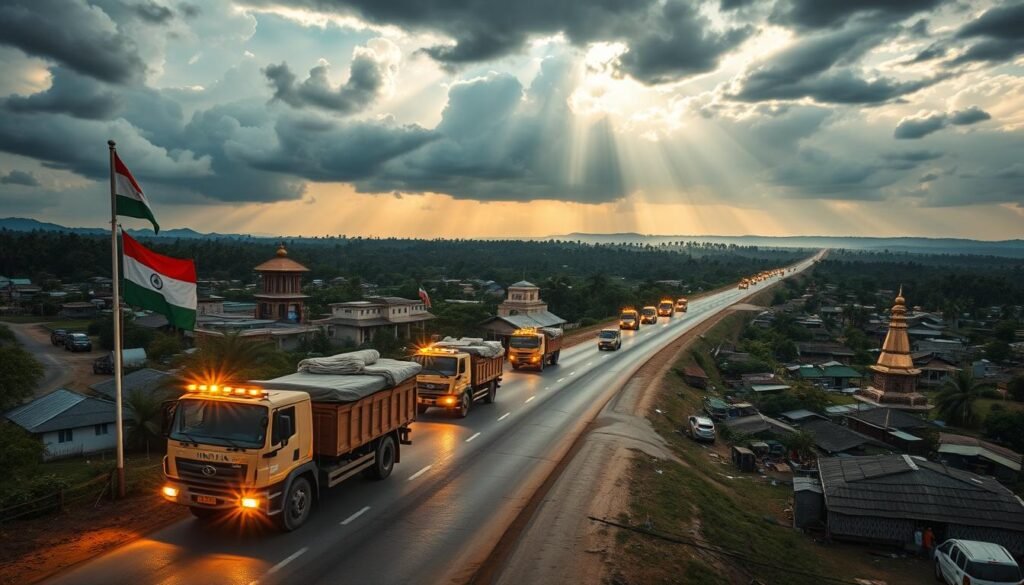
Operation Brahma is a key effort to help earthquake victims in Myanmar. It shows our dedication to helping those in need after a disaster. We look at what the mission aims to do and how it helps, like giving medical aid, food, and shelter.
It’s important to see how different groups work together. Indian government agencies and non-profits join forces to make aid more effective.
Mission Goals and Scope
The main goals of Operation Brahma focus on quick help. It aims to support in many ways:
- Medical supplies for those hurt in the earthquake.
- Food and nutrition packages to fight hunger.
- Setting up temporary homes for those without one.
These goals show our commitment to easing suffering and helping communities get back to normal.
Involved Agencies and Collaborations
The success of Operation Brahma comes from teamwork. Key players include:
- The Ministry of External Affairs, leading diplomatic efforts.
- The National Disaster Response Force (NDRF), quickly sending help.
- Local NGOs, helping on the ground and connecting with communities.
This teamwork boosts our ability to meet the mission’s goals. It shows a strong commitment to helping after disasters.
Logistics of the Aid Mission
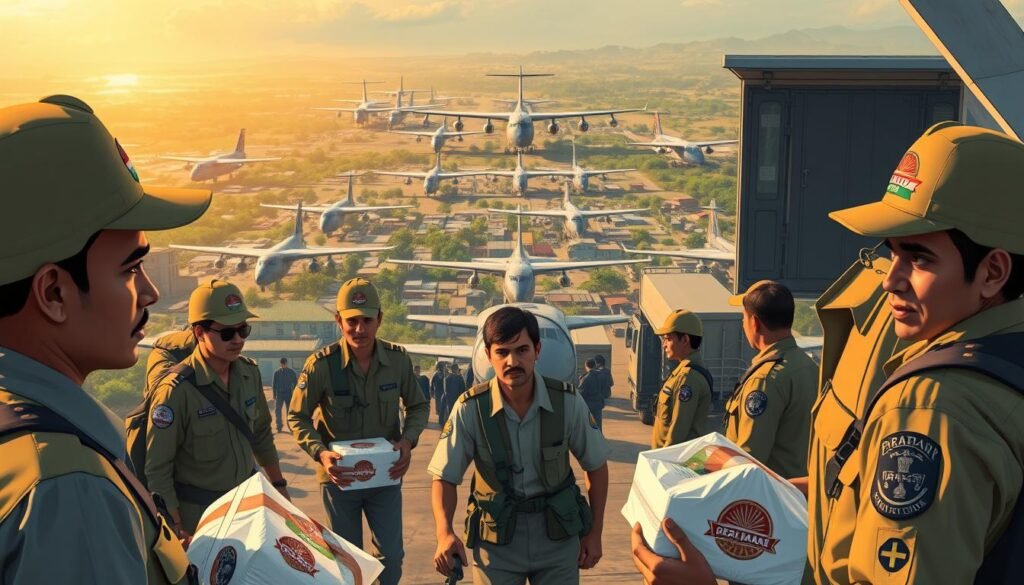
Operation Brahma shows how important good planning is in emergencies. It shows how key disaster logistics are for quick and effective help. We’ll look at how supplies were moved and the challenges faced.
Transport and Distribution of Supplies
The mission used planes and trucks to move goods. Planes helped get things to hard-to-reach places fast. Trucks were needed for areas not reachable by plane.
Working together, like with the Indian Air Force, helped a lot. This teamwork made sure supplies got to where they were needed.
Challenges Faced During the Operation
Many challenges came up during the mission. The tough terrain and earthquake damage were big problems. Quick action was needed because things kept changing.
Keeping everyone talking and working together was also key. This helped solve the big logistical problems.
Testimony from S. Jaishankar on Humanitarian Efforts
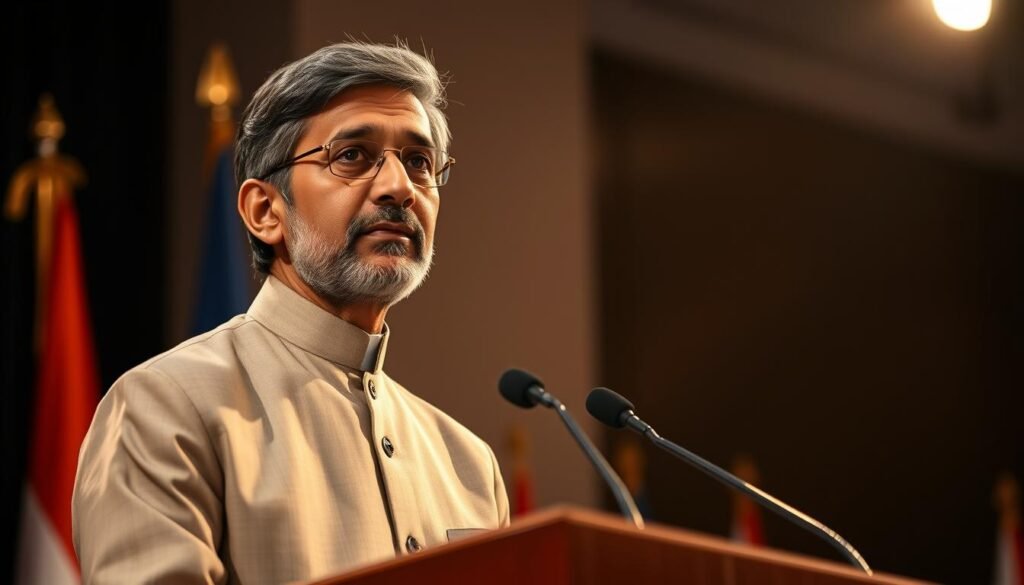
S. Jaishankar, India’s External Affairs Minister, talks about the big role of humanitarian aid in our foreign relations. His words show what Indian foreign policy is all about. They also show India’s commitment to helping neighbors during tough times, like the Myanmar earthquake.
Key Statements from the External Affairs Minister
“In the face of natural disasters, India stands resolute, driven by a belief that helping neighbors is not merely a duty, but a fundamental principle of our diplomacy. S. Jaishankar statements echo this sentiment, reinforcing our moral obligation to assist those affected.”
India’s Commitment to Regional Stability
India believes in keeping the region stable. We help others through humanitarian efforts to build good relationships. S. Jaishankar’s words show how helping others is key to lasting peace and partnerships.
Types of Aid Provided Under Operation Brahma
Operation Brahma has helped Myanmar’s earthquake victims a lot. It uses many ways to help. This includes medical supplies and food shelter initiatives.
Medical Supplies and Healthcare Support
Medical supplies are very important. They include:
- Medicines to treat infections and injuries
- Surgical equipment for emergency procedures
- Emergency kits for first aid and basic health check-ups
We want to help people get healthy again. This lets doctors work well, even in tough places.
Food and Shelter Initiatives
Food and shelter are also key. We worked hard to help people. They got:
- Nutritious meals through organized food distribution
- Tent shelters and temporary housing solutions
- Clean water supplies to prevent contamination and health risks
Our goal is to help now and support communities later. This shows our commitment to helping.
International Response to the Earthquake
The earthquake in Myanmar got a big response from around the world. Countries quickly sent help, showing they care in tough times. The United Nations led the way, making sure aid got to where it was needed.
Other Nations Offer Assistance
Many countries sent big help packages. Japan, Australia, and the United States sent emergency supplies and teams. Here’s what they gave:
| Country | Type of Assistance | Amount/Value |
|---|---|---|
| Japan | Medical supplies and rescue teams | $5 million |
| Australia | Food and water aid | $3 million |
| United States | Financial aid and infrastructure support | $4 million |
United Nations’ Involvement and Support
The United Nations was key in helping out. They worked with other groups to help the area recover. This showed how important working together is in tough times.
Community Resilience and Recovery Efforts
After the earthquake, communities showed great strength. They started local efforts to help those hurt. These efforts meet specific needs and use what’s available to help recover.
Local Initiatives Supporting Earthquake Victims
In Myanmar, many small groups have formed to help earthquake victims. They focus on:
- Support groups that help with emotional and mental health.
- Plans to share resources fairly among families.
- Getting young people involved in helping out.
- Teaching skills for rebuilding.
Long-term Recovery Plans and Strategies
Now, communities are planning for the future. They’re working on:
- Building stronger buildings that can handle disasters.
- Projects to fix and improve the environment.
- Helping local businesses grow with finance and training.
- Working together with NGOs and government for ongoing support.
Future Implications for India-Myanmar Relations
Operation Brahma has a big impact on India-Myanmar future relations. The two countries worked together, helping each other. This teamwork is a big step towards stronger ties.
This operation shows India’s role in regional cooperation. Working together on humanitarian issues builds trust. It’s key for lasting relationships in a complex world.
Operation Brahma is a start for more cooperation. India and Myanmar can face challenges together. By working together, they can grow their diplomatic ties and achieve more together.