



India faced a crisis in 1991, with only enough foreign exchange for three weeks of imports. This pushed the country to a turning point. It led to the birth of the LPG reforms.
This article explores how market liberalization and economic reforms changed India. Prime Minister P. V. Narasimha Rao and Finance Minister Manmohan Singh led the change. They moved India from a planned economy to open markets.
The first steps in July 1991 were big changes. The rupee was devalued, subsidies were cut, and trade policies were updated. These moves eased financial pressure and boosted exports.
These reforms are key for engineers, educators, and students. They opened the door for technology adoption, private investment, and startup growth. Today, we build on these foundations.
Later, we’ll explain terms like fiscal deficit and balance of payments simply. We’ll show how LPG reforms helped India grow.
For research collaborations or inquiries, contact info@indiavibes.today.
The Significance of the 1991 Economic Reforms

The 1991 reforms were a big change for India. A severe crisis in 1990–91 left the country with almost no foreign money. This crisis led to a bold plan: devaluation, market opening, and big changes in the economy.
The crisis was caused by many factors. Fiscal deficits grew, and the country borrowed more money. The Gulf War made oil prices go up, and money from the Gulf fell. Trade with the Soviet Union also stopped, hurting exports.
A Turning Point in Indian History
The rupee devaluation in July 1991 was a big move. It fixed the exchange rate and helped exports. It was seen as a way to get back on track financially and regain trust from investors.
Key Changes Implemented
Big changes were made to help the economy. Industrial licensing was removed for most sectors. Foreign investment limits were raised, and tariffs were cut. This made it easier for Indian companies to compete globally.
Economic Challenges Before Reforms
Before the reforms, India faced huge debt and falling exports. The current account deficit was over $10 billion. High import costs and fiscal deficits made things worse.
The Immediate Impact of Liberalization
After the reforms, imports fell by 25%. This helped stabilize the foreign exchange. Exports and capital flows started to grow again. The market opened up for technology, investment, and global trade.
Devaluation and tariff changes helped the economy. They made exports cheaper and removed barriers to growth and innovation.
For technical readers, devaluation and tariff reform worked as tools to align the real exchange rate with competitive needs. Those measures reduced input costs for export sectors and removed regulatory bottlenecks that blocked scale and innovation.
For data requests and lecture inquiries, contact info@indiavibes.today.
Understanding Liberalization in India
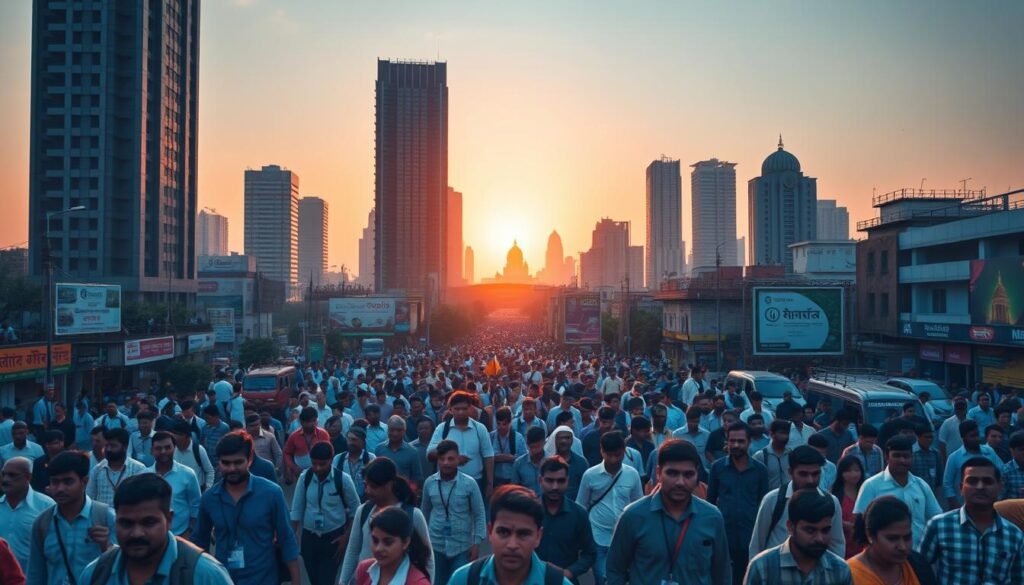
Liberalization means moving towards market-based policies. This includes less government control, more private and foreign involvement, and freer trade. In India, this change happened big time after 1991. The goal was to remove barriers, boost competition, and match up with global markets.
Definition and Scope of Liberalization
Liberalization in India meant getting rid of industrial licenses and opening up sectors to private companies. It also made it easier for foreign investment. Financial reforms adjusted ratios and rates, and strengthened regulators like SEBI.
This approach was about policy changes and adjusting the economy. It was a mix of deregulation, privatization, and easier access to foreign tech. Fiscal and monetary tools helped stabilize the economy and encouraged growth in services and manufacturing.
Comparing with Other Emerging Economies
India’s path was different from China’s fast, state-led opening or Eastern Europe’s quick changes. East and Southeast Asia focused on exports and strong industrial policies. India took a slower, democratic approach to globalization.
Before 1991, India took small steps towards liberalization. But the 1991 reforms were a big leap. They combined trade openness with financial sector changes and stronger regulations. For more details, see this overview.
Liberalization’s Role in Growth
The policy shift helped fix balance-of-payments issues and brought in more capital. Foreign investment and portfolio flows increased in the 1990s. Services, like IT and outsourcing, grew fast and became key drivers of growth.
Changes in exchange rates and monetary policy helped competitiveness. Lowering CRR and SLR freed up credit for investment. These steps narrowed deficits and opened up for exports and private investment.
For more insights, join seminars on comparative policy at info@indiavibes.today. Learn how market liberalization and globalization changed India’s economy.
The Rise of Startups in India
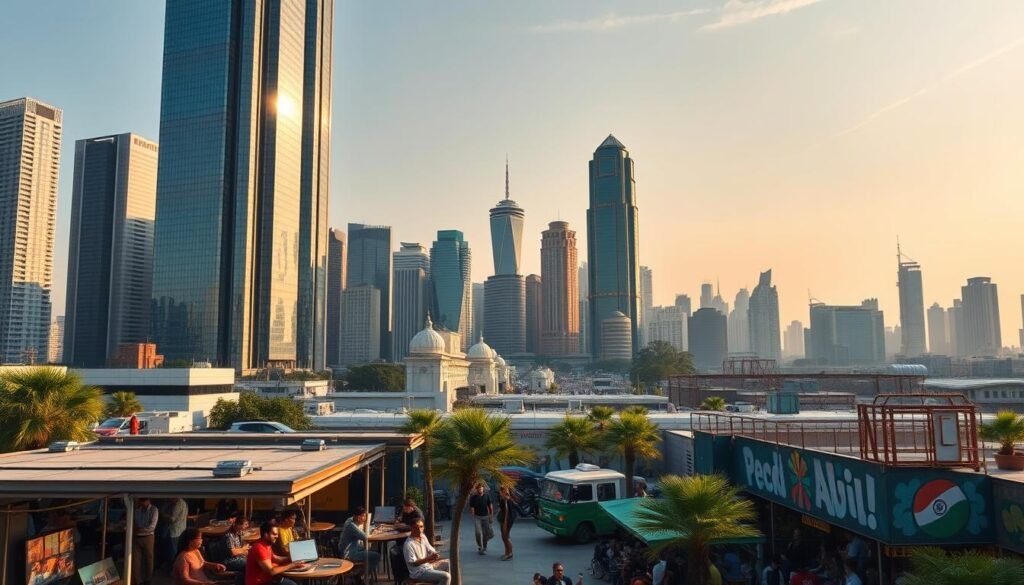
We look at how changes in policy after 1991 changed the Indian business world. These changes made it easier for new businesses to start. Engineers and students could turn their ideas into products faster.
How 1991 Policy Shifts Enabled New Ventures
Removing old rules and making it easier to bring in foreign tech helped small businesses. Moves like the New Computer Policy of 1984 helped more. SEBI reforms and the National Stock Exchange made it easier for private companies to get funding.
Rules for foreign investment in many areas got simpler. This made it easier for startups and entrepreneurs to get help from abroad.
Success Stories that Grew from a New Architecture
In the 1990s and 2000s, India’s IT sector grew a lot. This was thanks to better policies and internet. Later, digital startups grew fast with cheap internet and global funding.
Companies in services, fintech, and SaaS used these changes to grow big. They moved from small tests to big markets.
Government Support for Entrepreneurship
Later, the government helped with incubators, accelerators, and funding. They made it easier to start a company and offered tax breaks for research. They also set up special areas for startups in cities.
This helped startups find help, customers, and more money. For help or to partner, email info@indiavibes.today.
| Enabler | Pre-1991 | Post-1991 Effect |
|---|---|---|
| Licensing regime | Extensive permissions for production | Removed many controls; faster market entry |
| Technology access | Restricted foreign tech deals | Relaxed agreements; easier tech transfer |
| Capital markets | Limited depth and reach | SEBI reforms and NSE improved liquidity |
| Foreign investment | Tightly controlled | Automatic routes boosted FDI and VC flows |
| Support structures | Few incubators or accelerators | Incubators, startup schemes, and mentorship grew |
The Digital Economy: A New Frontier

We see how policy changes led to a digital market that changed how we do business. The New Computer Policy of 1984 and Software Technology Parks were the first steps. These early moves paved the way for the internet to grow.
Then, in the 1990s, telecom deregulation and private money poured in. This sped up the digital change in many areas.
Expansion of Internet Access
Internet access became more common as costs went down and mobile use grew. Investments in fiber, towers, and spectrum made it cheaper to connect. This opened up new ways for businesses, schools, and health services to reach more people.
Digital Startups Making Waves
New rules for money and a more open financial system helped startups grow. Software and tech companies used exports and local demand to expand quickly. The right design and network effects can lead to fast growth for companies.
The Impact of E-commerce Growth
E-commerce grew as logistics, payments, and trade policies improved. Tariff changes and foreign investment rules helped online shops and specialty stores. Now, people in cities and towns can get products faster and pay in new ways.
For tech fans: platforms make money by balancing supply and demand. They use prices, ratings, and APIs to grow. Policy decisions, like tariffs and FDI rules, influence investments in tech.
Exports of IT services in the 1990s helped balance the country’s finances. This money funded more tech projects.
We offer workshops on making digital products for the Indian market. Contact: info@indiavibes.today.
Make in India: A Bold Initiative
We look at how policy changes after 1991 helped launch Make in India. This campaign aims to boost manufacturing, attract foreign investment, and create jobs in key sectors. It’s based on market openness and encouraging private investment and technology sharing.
Objectives of the Campaign
Make in India wants to increase manufacturing’s share of GDP and grow domestic supply chains. It also aims to draw more foreign direct investment into specific industries. The plan includes technology partnerships and vocational training to support these goals.
Key Sectors Targeted
The campaign focuses on defense, electronics, autos, pharma, and capital goods. These areas have seen benefits from reduced public sector control and easier tech agreements.
Successes and Challenges
FDI in manufacturing has grown, showing progress. Easier rules for foreign investment have led to modern factory upgrades and new partnerships.
Yet, Make in India faces challenges like infrastructure gaps, skill shortages, and environmental rules. These issues affect project timelines and local communities, sparking concerns about inequality.
For engineers and educators, Make in India offers real-world opportunities. It requires skill development and stable policies to attract lasting investment.
| Aspect | Positive Developments | Ongoing Issues |
|---|---|---|
| Investment | Higher FDI in electronics and automotive; easier equity norms | Regional disparity in investor interest; land acquisition limits |
| Workforce | Expanded vocational initiatives; industry-academia projects | Skills shortage for Industry 4.0 roles; retraining needs |
| Supply Chains | Growth of domestic suppliers for capital goods and pharma | Import dependence in semiconductors and specialty chemicals |
| Regulation | Simplified approval processes in selected sectors | Complex environmental and compliance requirements |
| Social Impact | Job creation in manufacturing hubs; local enterprise growth | Uneven benefits across communities; need for inclusive policies |
To explore classroom modules or industry collaboration tied to Make in India and market liberalization, contact info@indiavibes.today.
Investment Climate Post-1991 Reforms
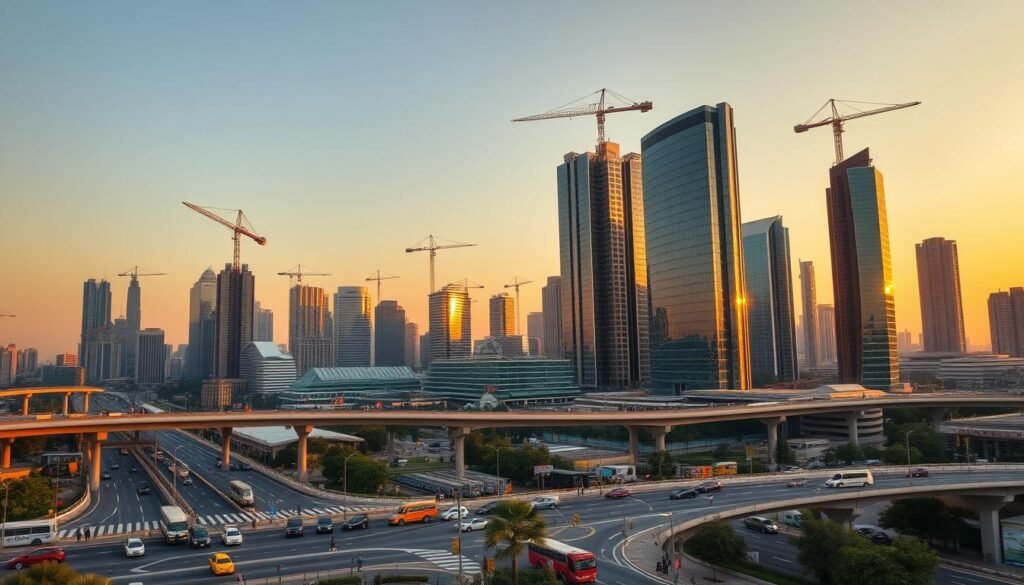
We look at how the 1991 reforms changed India’s capital flows and investor behavior. The reforms brought fiscal stability, exchange-rate changes, and policy updates. These made it easier to finance projects and start joint ventures.
Foreign Direct Investment Trends
Foreign direct investment in India grew from almost nothing in 1990–91 to billions by the mid-1990s. By 1994–95, foreign investment reached $4–5 billion. Portfolio flows and GDR issues also boosted capital markets.
These investments helped finance projects in manufacturing and services. They also supported more R&D joint ventures. Tech firms grew through foreign partnerships and long-term capital access.
Domestic Investor Confidence
Reforms improved market infrastructure, boosting domestic investor confidence. The National Stock Exchange was created, and SEBI was modernized. This professionalized trading and oversight.
Government control over capital issues was reduced. This led to more listings and domestic capital formation. Banks and non-bank financiers started backing larger projects. This improved access to working capital and long-term loans.
Policy Changes to Attract Investment
After 1991, policies changed to attract more investment. Duty reductions, MRTP licensing abolition, and automatic foreign equity approval up to 51% were introduced. Disinvestment programs and financial reforms also helped.
These changes lowered barriers and costs for multinational corporations and domestic firms. Exports grew sharply, and foreign exchange reserves soared from under $1 billion in 1991 to over $25 billion by 1994–95.
For those interested, understanding FDI trends helps in project appraisal and balance-sheet management. It shows how capital inflows increased capacity. For more information, email info@indiavibes.today.
The Role of Technology in Indian Growth
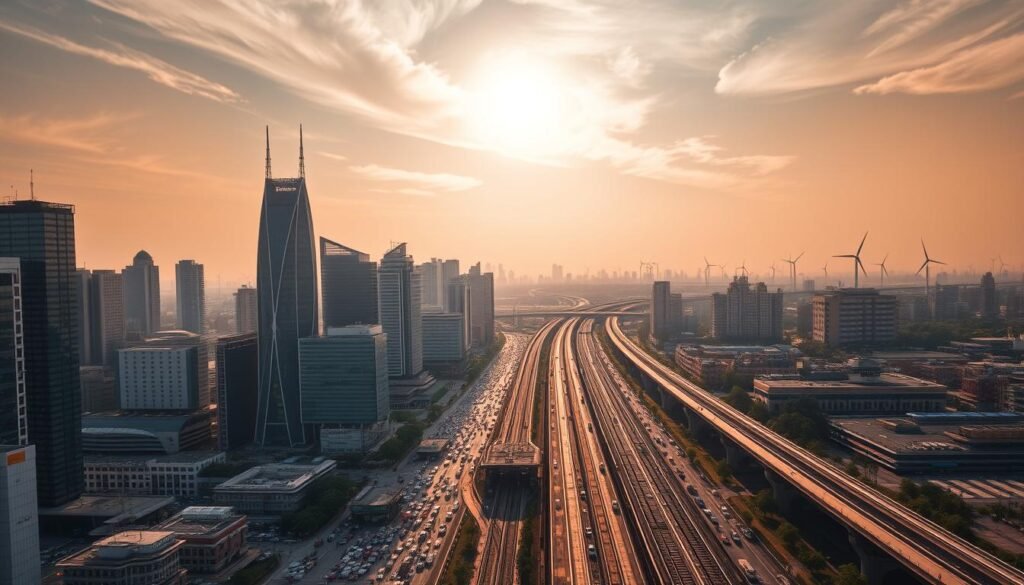
We explore how policy and practice turned technology into a key driver for India’s growth. The 1991 reforms removed barriers and sped up the flow of ideas. This change paved the way for fast tech growth in services and manufacturing.
After liberalization, technology advancements came in phases. The New Computer Policy of 1984 made it easier to import technology. Post-1991, more foreign tech agreements were approved, and FDI brought in capital and expertise.
Startups quickly grew thanks to these changes. Early software exporters reached global markets, building revenue and talent. Today, startups use cloud services and analytics to reach users worldwide with less effort.
Policy acts like oil in a machine, reducing friction. When rules are relaxed and infrastructure improves, technology adoption grows. Educators can align curricula with this growth, starting with basics and then adding cloud, AI, and automation labs.
Digital transformation is key to future success. Manufacturing will use automation and IoT, services will embed AI, and education will focus on practical projects. Sustained tech growth relies on ongoing policy support, skill investments, and strong infrastructure.
We encourage working together on curriculum development and bootcamps. Contact: info@indiavibes.today
Social Impact of Economic Reforms
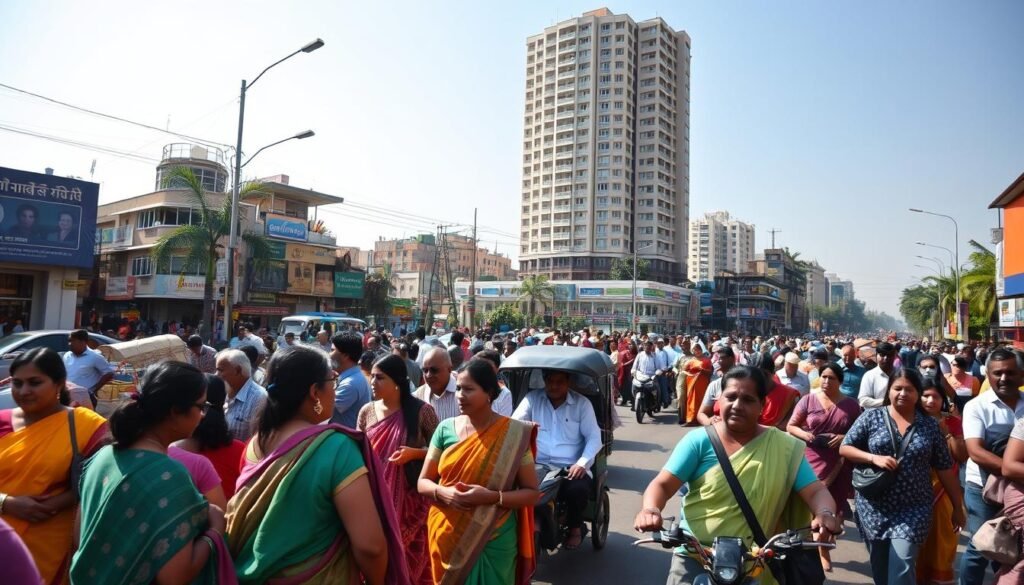
The 1991 reforms changed lives in cities and towns. They brought new jobs in services and moved manufacturing to different areas. This change affected communities in many ways.
Changes in Employment Rates
Jobs grew in tech, outsourcing, and finance. Cities like Bangalore, Hyderabad, and Pune saw high-value job creation. These jobs needed skilled workers.
Service sectors grew faster than manufacturing in many places. But, this created a skills gap for workers from smaller towns. They didn’t have the right training.
Impact on Local Communities
Local communities saw both good and bad effects. New investment and retail came with multinational brands. This brought in fresh capital and networks.
But, small producers faced tough competition. This led to some industries shrinking. It also caused environmental problems in fast-growing areas.
Gender and Diversity in the Workforce
The economy opening up gave women and minorities more chances. They found jobs in urban service areas. This made workplaces more diverse.
But, there are gaps in STEM fields and leadership. To fix this, we need better training and mentorship. This will make growth more inclusive.
For more on social impact and skill design, email info@indiavibes.today.
Education and Skill Development
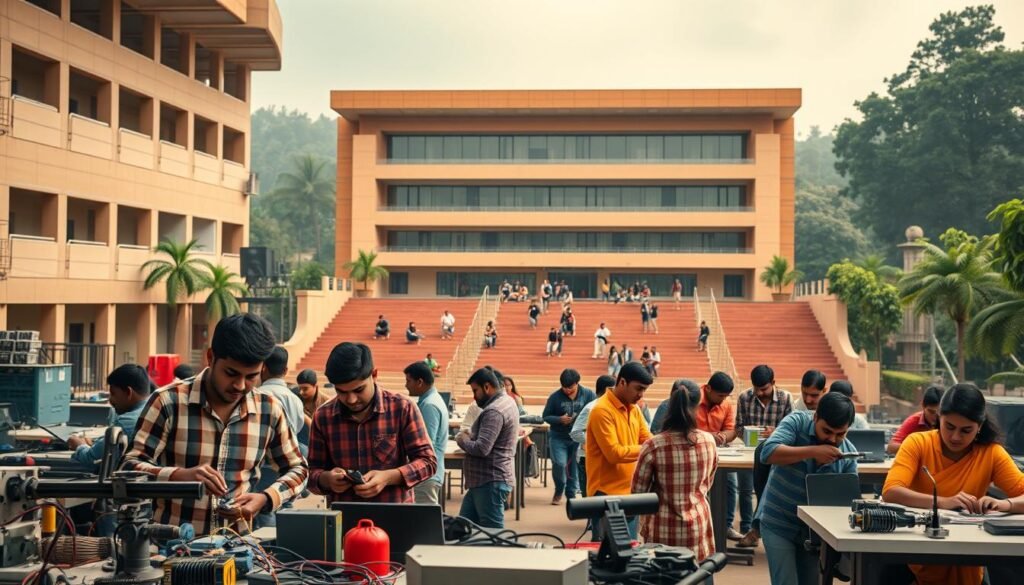
We see education as key for growth in today’s economy. After the 1991 reforms, markets opened up. This led to new demands that schools couldn’t meet.
IT, manufacturing, and startups grew fast. This showed we need to train skills faster than before.
We need training that mixes theory with practice. Short, focused courses and project-based learning are best. They help students learn job skills in months, not years.
This approach supports technical education and helps professionals grow. It also opens doors to new career paths.
We suggest making education more relevant and flexible. After 1991, we started to expand technical education. But, there’s a gap in skills that employers need.
Curricula need updates, and training for teachers should include new methods. This will help meet industry demands.
Working with companies is key. Partnerships can design courses, offer internships, and create incubators. Companies like Tata Consultancy Services and Mahindra are already doing this.
These partnerships speed up training and make it easier for students to enter the workforce.
We have a model for educators and industry to work together:
- Co-developed syllabi: industry reviews core modules every two years to keep content current.
- Industry mentors: engineers from companies mentor student projects and assess workplace readiness.
- Modular credentials: stackable certificates let learners combine short courses into a diploma.
- Incubation and placement: campuses host incubation pods backed by venture teams and HR partners.
We have a table for program planners and partners. It shows different training paths and their features, benefits, and duration.
| Program Type | Key Features | Primary Benefit | Typical Duration |
|---|---|---|---|
| Short Technical Bootcamps | Project-led, industry mentors, focused on coding or CNC skills | Fast employability in IT and manufacturing | 8–16 weeks |
| Modular Diploma Tracks | Stackable certificates, accredited by institutes, periodic industry review | Progressive upskilling and formal recognition | 6–18 months |
| Apprenticeship Programs | On-the-job training, classroom support, wage compensation | Real-world experience and role retention | 12–36 months |
| Incubator-Linked Courses | Startup mentorship, market validation, seed networks | Entrepreneurial skill development for new ventures | 3–12 months |
We invite educators and corporate partners to try out new designs. For more information, contact info@indiavibes.today.
Future Prospects for India’s Economy
The 1991 reforms changed India’s role in the world. For growth, we need three things: fast tech adoption, more manufacturing through Make in India, and a bigger digital economy. We believe GDP will keep growing as we invest in infrastructure and people.
Predictions for Continued Growth
Experts say growth will keep coming from cities, exports, and services. Tech and automation will make things more efficient. This means more jobs for those who know about data, systems, and different subjects.
Make in India will help manufacturing grow. The digital economy will open up new markets and ways to work.
Challenges Ahead in Sustaining Momentum
There are risks like big public spending, unstable capital flows, and environmental limits. We also face inequality and differences between regions. To keep growing, we must manage money flows and avoid inflation.
Learning from past mistakes, we need smart macro policies and investments.
The Role of Policy in Future Reforms
Policy changes should be clear and focused. We need simpler taxes, better financial rules, and clear digital market rules. The government should help businesses grow, invest in public goods, and support skills training.
We want to work together. Help us create programs that use these chances. Contact info@indiavibes.today for partnerships, workshops, and sharing resources.