



We remember the anticipation in the air during the 93rd Air Force Day celebrations. It was a moment of immense pride and quiet reflection. Then, the senior leader of our aerial defense stepped forward. His words would reshape our understanding of a recent, decisive campaign.
The air chief made a stunning revelation. He confirmed the successful outcome of a critical military action. This disclosure provided unprecedented clarity on the effectiveness of our strategic response. It was a watershed moment for modern defense transparency.
The chief detailed how precision and technology combined for a swift victory. The mission achieved its goals with remarkable speed. This success demonstrated a significant advancement in our tactical capabilities. It sent a powerful message about our nation’s resolve and strength.
We begin by examining this pivotal announcement. We will explore the context and the profound implications of this confirmed success. The details underscore a new era of operational effectiveness and strategic communication.
Operation Sindoor: Swift Objectives and Strategic Execution
Precision planning transformed grief into decisive action when military strategists mapped their response. We examine how careful timing and targeted execution defined this campaign’s success.
Background and Conflict Timeline
The tragic April 22nd terror attack in Pahalgam claimed 26 innocent lives. This devastating event became the catalyst for a meticulously planned military response.
Operation Sindoor launched at midnight on May 7th. The four-day campaign achieved its objectives with remarkable speed. Strategic goals were met before calling for hostilities to end.
Key Strike Locations and Targets
Military planners selected 11 strategic airbases deep inside neighboring territory. These precision strikes targeted nine key terror training camps effectively.
The systematic approach included radar installations at four locations. Command centers at two sites and runway facilities were also neutralized. This multi-dimensional strategy degraded support infrastructure significantly.
Each target was chosen for maximum strategic impact. The limited time frame demonstrated disciplined execution rather than operational limitation.
Indian Air Force, Operation Sindoor, Pakistan aircraft, F-16, JF-17, Air Chief
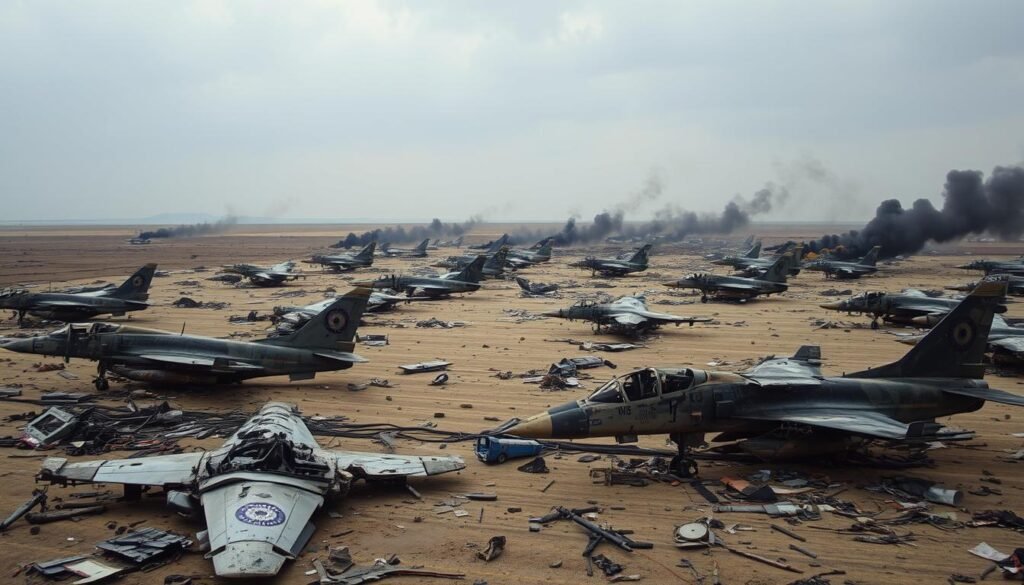
Technical evidence formed the foundation of a comprehensive disclosure about aerial engagements. The senior commander provided unprecedented detail about enemy capability reductions.
Air Chief’s Detailed Disclosures
Our systems confirmed clear evidence of multiple successful engagements. The data showed one long-range strike eliminating a sophisticated surveillance platform. This represented a significant blow to enemy intelligence gathering.
Five advanced fighters from premium classes were neutralized during aerial combat. Another four to five were destroyed while undergoing maintenance on the ground. These losses directly impacted the adversary’s frontline capabilities.
Assessment of Aircraft Losses and Tactical Implications
The precise accounting demonstrated systematic degradation of enemy forces. Each destroyed jet represented not just material loss but operational setback. The reduction in high-value assets affects future engagement calculus.
We contrast this evidence-based approach with unsubstantiated narratives from opposing leadership. The term “fascinating tales” appropriately characterized claims lacking verification. Our technical systems provided irrefutable data where others offered mere stories.
This transparent accounting sets a new standard for military communication. It demonstrates confidence through verification rather than secrecy.
Precision Strikes and Tactical Brilliance in Action
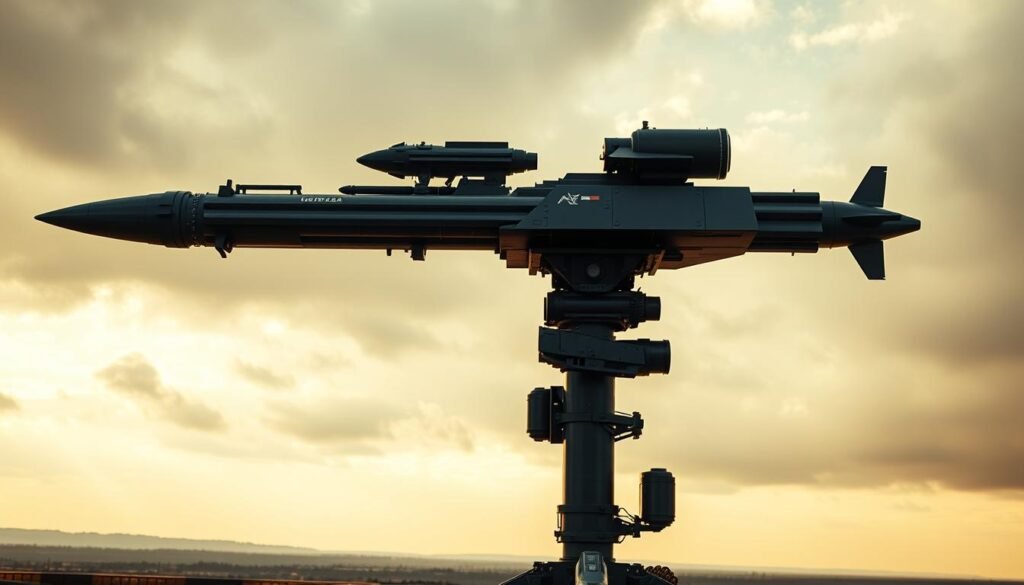
Information warfare became as crucial as kinetic operations during this critical military engagement. We witnessed how technological superiority combined with strategic messaging created comprehensive dominance.
Long-Range Missile Impact and Kill Details
Our newly deployed missile systems achieved what many considered impossible. The longest kill ever recorded exceeded 300 kilometers, fundamentally changing regional security calculations.
This technological marvel allowed unprecedented depth penetration into adversarial territory. Enemy jets could not operate safely even within their own boundaries.
Ground infrastructure targeting demonstrated surgical precision. The systematic strike package eliminated radars at four separate places, creating significant detection gaps.
Media’s Role in Managing the Fog of War
Our media partners handled the fog of war with remarkable professionalism. They cut through disinformation while standing shoulder-to-shoulder with defense forces.
This responsible reporting maintained public confidence during uncertain times. The chief specifically praised this collaborative effort.
Countering Disinformation and Strategic Messaging
We contrast our evidence-based approach with unsubstantiated narratives from across the border. The prime minister’s claims about downing seven Indian fighter jets lacked any verification.
Our transparent accounting of actual kill numbers exposed these fabricated stories. This credibility gap undermined their strategic messaging internationally.
The destruction of command centers, runways, and hangars created lasting operational challenges. Each successful strike demonstrated our growing technological edge.
Strategic Impact Reflections and Future Implications
This military action will be remembered as a model of strategic discipline. The IAF chief emphasized how clearly defined goals led to swift success. Limited engagement demonstrated mature conflict management.
The operation achieved its dual objectives with remarkable efficiency. It delivered justice for the tragic event while degrading terror infrastructure significantly. This comprehensive approach created lasting security benefits.
New systems proved their worth in real combat conditions. Technological superiority combined with precise execution reshaped regional dynamics. The transparent accounting of losses established powerful deterrence.
We see this as a transformative moment in modern warfare. It showcases how responsible powers can achieve strategic goals without prolonged conflict. The world indeed has much to learn from this disciplined approach.