



India is set to face more heatwaves in the coming years. The IMD forecast says 2026 will see more heat than usual. This means more days of extreme heat.
Understanding the India Weather Heatwave is key. We need to warn and prepare our communities. Every rise in temperature puts our planet’s health at risk.
We must find new ways to deal with these changes. Our planet’s future depends on it.
Overview of India’s Climate Status
The India climate status is complex and changing. Seasonal changes have shifted a lot, showing the climatic changes India faces. These changes affect farming, water, and daily life in cities and towns.
Old data shows temperatures going up and rain patterns getting weird. The Himalayas greatly impact the monsoon and climate in India. Knowing how these things work together is key to tackling climate challenges.
Understanding Heatwaves in India
Recently, understanding heatwaves has become very important in India. The India Meteorological Department (IMD) says a heatwave happens when it’s very hot for a long time. This is when the temperature goes over 40°C in the plains or 30°C in hills.
Heatwaves have big effects on society, mainly in cities. The heat makes it hard to move around and get power. It also puts a lot of pressure on hospitals as more people get sick from the heat. Being in the heat for too long can make people very stressed and anxious, even more so for those who are already vulnerable.
The IMD Forecast for 2026
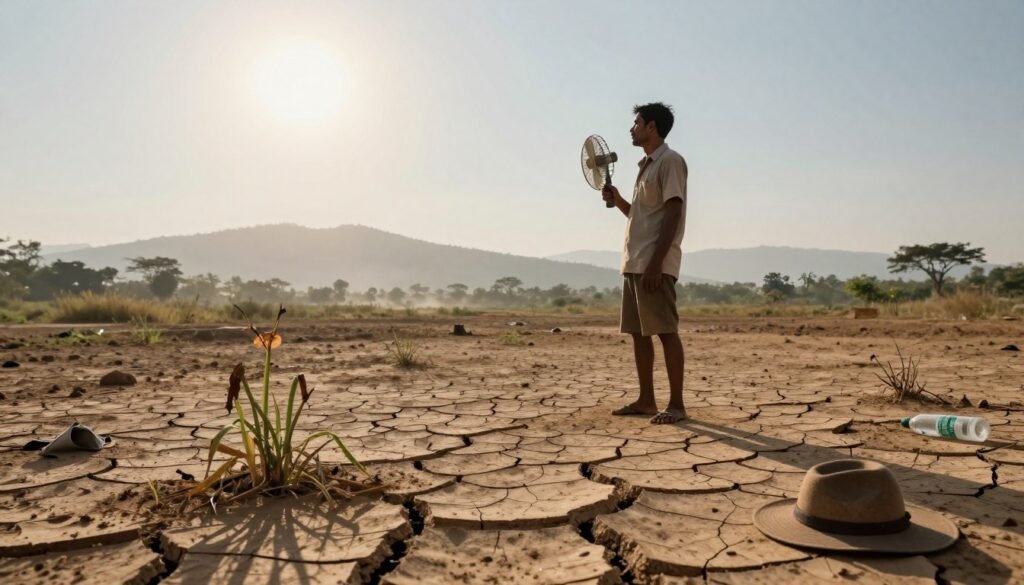
The Indian Meteorological Department (IMD) has shared its predictions for 2026. They say summer temperatures in India will go up a lot. Places in the north and center might get very hot, which could be bad for health and resources.
Key Predictions for Summer Temperature in India
The IMD thinks summer temperatures in India will be higher than usual. They expect temperatures to rise by several degrees in some places. Cities will need to get ready for these hotter days, as they can get even hotter because of the city’s heat.
Regional Variability in Heatwave Days
Not all places will face the same heatwaves. The north might get hit the hardest, while the south might not be as bad. Knowing this helps local governments and people plan better. They can make sure each area is ready for the heat.
Heatwave Patterns in India
India’s heatwaves have changed a lot in recent years. They are getting more intense and last longer. This is bad for health, safety, and the environment.
Historical Trends of Heatwaves
Looking at past heatwaves shows us how climate change affects weather. Heatwaves are happening more often in India. They also get hotter, which means we face even bigger problems if we don’t act fast.
Impact of Urban Heat Islands
Urban heat islands play a big role in heatwaves. Cities get hotter because of all the concrete. This makes cities much hotter than the countryside. As cities grow, this problem gets worse. We need to find ways to make cities cooler.
Climate Change and Its Impact on India
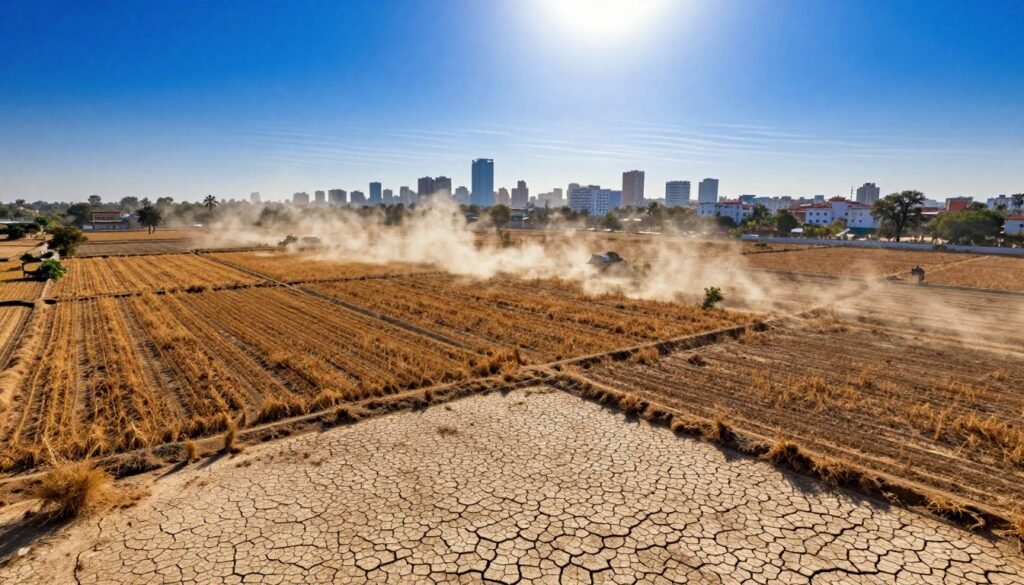
India is facing big problems due to climate change. It’s not just about getting hotter. We see weird weather, like too much rain or not enough, and long droughts. These changes are a big threat to our environment.
Our country is very big and has many different places. A lot of people depend on farming. This makes us more vulnerable to these weather changes.
The weather in India is special because of its many ecosystems. From beaches to mountains, each place is different. This makes India prone to both droughts and floods. We need to act fast and plan for the future to deal with these problems.
Studies show that these weather changes could make it hard to find food. This could hurt people’s jobs and cause big problems in our society. We need to work together and find new ways to adapt to these changes.
The Connection Between Climate Change and Heatwaves
Looking at climate change heatwaves in India, we see a clear link. The rise in carbon emissions leads to more severe heat events. This change affects our daily weather and future weather forecasts.
Climate change has made summers in India hotter and more frequent. Knowing this helps us get ready and fight the bad effects of these changes.
India Weather Heatwave: Future Projections
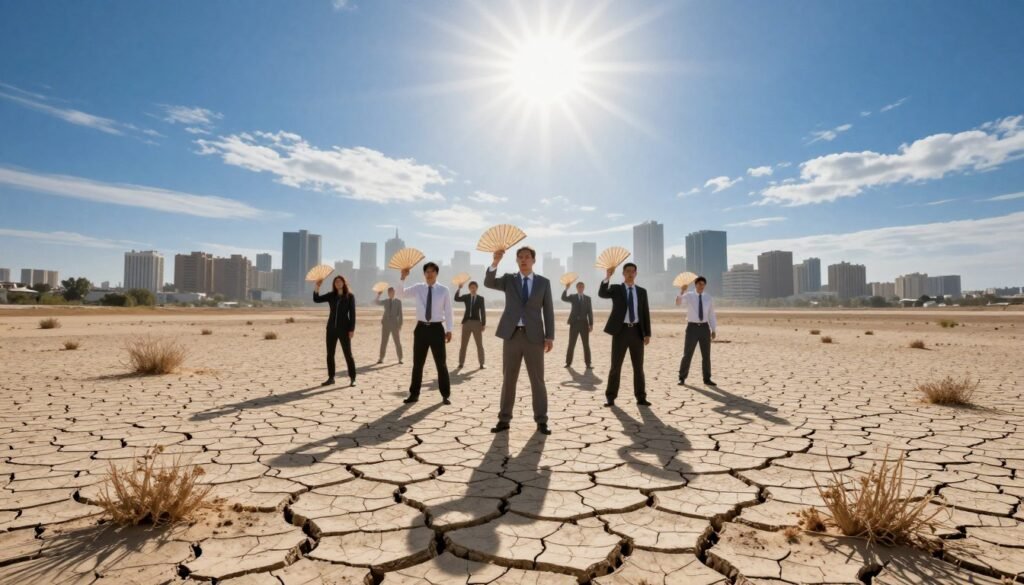
The India weather trends show big changes ahead. By 2026, heatwaves will likely happen more often and be more intense. Climate models predict more warming, leading to even more extreme weather.
Understanding these future heatwave projections is key. It helps us prepare for the changes. We need to get ready for hotter temperatures and longer heatwaves.
Adapting to these changes is critical. We must plan for new challenges in infrastructure, farming, and health. With accurate forecasts, we can make better plans to face the heat.
Knowing about these India weather trends helps us build stronger communities. It helps those most affected by climate changes to be more resilient.
Health Implications of Increased Heatwave Days
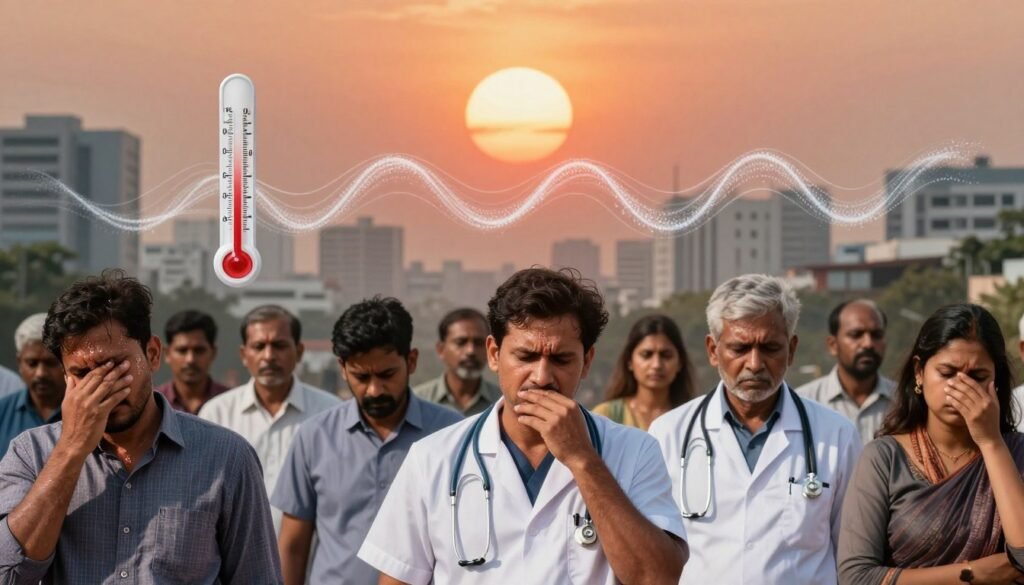
The rise in heatwave days has big health problems, mainly in India. With higher temperatures, we see more heat-related illnesses. Heat exhaustion and heat stroke are serious threats, as summer temperatures are expected to rise.
Risks of Heat-Related Illnesses
Heat-related illnesses come from extreme weather. These health risks can include dehydration and severe heat strokes. These can lead to long-term health issues or even death. As temperatures go up, staying hydrated and finding cool places becomes key to survival.
Vulnerable Populations in India
Some groups face bigger risks during heatwaves. The elderly and outdoor workers are among the most at risk in India. Their long exposure to heat makes them more likely to get sick. It’s important to know who these vulnerable groups are to help them during extreme weather.
Preparing for Higher Summer Temperatures
Summer is coming, and we need to get ready. The heat will be higher, and we must work together. Governments and communities must take action to keep everyone safe.
Government Initiatives and Policy Responses
The Indian government is taking steps to fight the heat. They are working on policies for more water, better public transport, and cool homes. These plans help people in hot areas stay safe.
Community Awareness and Preparedness
It’s important for communities to be ready. Local groups and people can teach each other about staying cool. They use workshops, social media, and flyers to spread the word.
Impact on Agriculture in India
Heatwaves can hurt farming in India a lot. High heat for a long time lowers crop yields. It also messes up planting and harvesting times.
This makes food security a big worry. India needs farming for food and jobs.
Heatwaves make crops in India more vulnerable. Farmers who use old ways of farming are hit hard. Crops get stressed, leading to less food and lower quality.
Farmers need new ways to deal with the heat. They should grow crops that can handle drought. Using water wisely is also key.
These steps help farms survive climate change. They protect India’s farming future.
Economic Consequences of Heatwave Days
India is facing more heatwave days, leading to big economic problems. These issues affect many areas, like how much work gets done and how much energy we use. Knowing about these problems helps us see how climate change hurts our economy.
Effect on Labor Productivity
Heatwaves make workers less productive and can cause them to miss work. In jobs that need a lot of effort, like farming and building, the work gets worse because of the heat. Workers might get sick from not drinking enough water or getting too hot, which can stop work and cost money.
Impacts on Energy Demand
When it’s very hot, people and businesses use more electricity to cool down. This makes the power grid work harder and can make electricity more expensive. It’s a big problem that shows we need better ways to make energy.
Environmental Effects of Prolonged Heatwaves
Prolonged heatwaves have a big environmental impact heatwaves. They cause stress in many ecosystems. Rising temperatures change habitats fast, making it hard for species to survive.
Water and food become scarce, making life tough. This makes it hard for species to live and reproduce. We need to protect our natural reserves to save biodiversity.
Weather Alert Systems in India
Weather alert systems in India are key to our safety as climate issues grow. The India Meteorological Department (IMD) leads the way with its advanced monitoring and weather forecasting. It uses science and technology to send out alerts that help keep us safe.
Role of the IMD in Predictive Monitoring
The IMD uses smart algorithms and data analysis to predict the weather. This helps send out warnings for heatwaves and other extreme weather. Thanks to these alerts, communities can get ready for bad weather, making better choices and staying safer.
IMD is working hard to get better at predicting the weather. This is because our climate is getting more unpredictable. By using the latest weather technologies, we can share important weather info better. This helps our communities stay strong against changing weather.
Adaptation Strategies for Individuals and Communities
Climate challenges are getting worse, and it’s key for people and communities in India to find ways to deal with heatwaves. We need to take steps to make our communities stronger against extreme heat. This means doing things that help us live better and more sustainably.
Water Conservation Practices
Using water wisely is very important when it’s hot. We can collect rainwater, reuse water, and choose plants that don’t need much water. These actions help keep our communities cool and save water for everyone.
Heat Resilient Infrastructure
We need buildings that can handle the heat. This means making them well-insulated, adding green spaces, and using materials that reflect the sun’s rays. These changes make our homes and public spaces more comfortable and use less energy.
Global Context: Comparing India’s Heatwaves
When we look at heatwaves in India, we see similarities with other countries. Places like Australia and the United States face similar heat problems. This shows that extreme heat is a global issue, hitting many areas.
Looking at worldwide climate trends, we see extreme heat everywhere, not just in one place. This shows we need to work together. We must share knowledge and strategies to deal with rising temperatures.
By sharing information, we can help each other fight climate extremes. This teamwork can make us stronger against heatwaves. It’s a way to reduce the dangers of extreme heat.
Conclusion
Looking at the India heatwave future, we see a big need for action. The forecast of more heatwaves shows we must act fast. We need to make our communities strong against heat.
Heat for a long time affects health, farming, and money. It’s a big problem.
It’s very important to take action against climate change. We need new tech, to spread the word, and work together. Everyone must join in.
We must turn our knowledge into action against heatwaves. Creating strong and green places helps us all. Let’s work together for a better future.