



The India free HPV vaccine program is a landmark public health initiative aimed at preventing cervical cancer across the country. With the nationwide rollout of free Human Papillomavirus (HPV) vaccination for girls aged 9–14 years, India has taken a decisive step toward eliminating one of the deadliest cancers affecting women. The India free HPV vaccine programme focuses on early prevention, long-term protection, and strengthening women’s healthcare infrastructure nationwide.
Cervical cancer remains one of the leading causes of cancer-related deaths among Indian women. Through the free Indian HPV vaccine programme, the government aims to significantly reduce new infections and future mortality rates. This initiative puts India alongside over 160 countries worldwide that have already integrated HPV vaccination into their national health agendas. https://www.who.int/initiatives/cervical-cancer-elimination-initiative
Cervical cancer, largely caused by persistent infection with high-risk strains of HPV (especially types 16 and 18), is among the most preventable yet deadly cancers for women. With the launch of this programme, the Indian government aims to dramatically reduce the incidence and mortality associated with this disease over the coming decades.
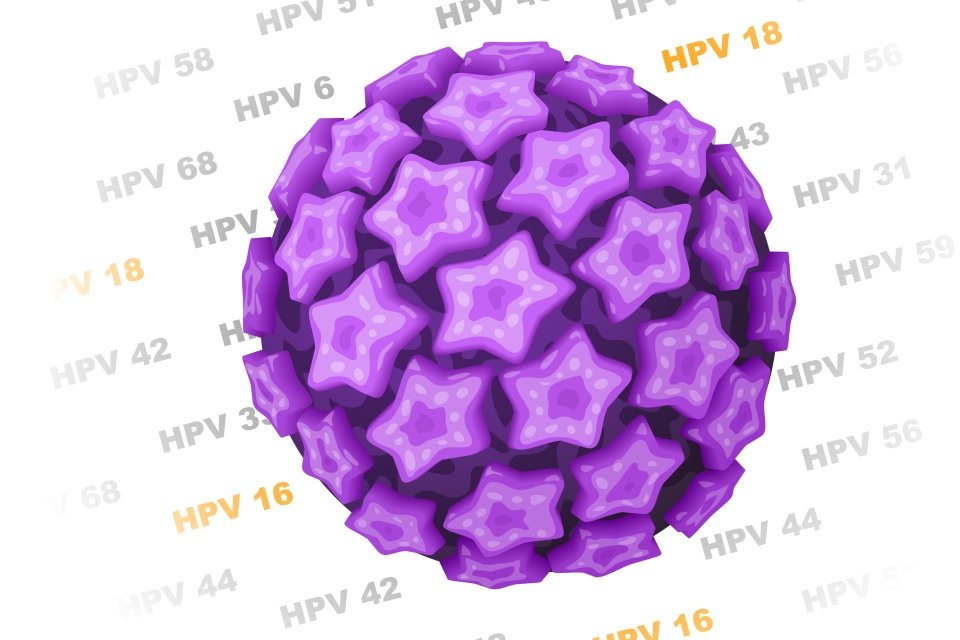
What Is HPV and Why Is Vaccination Important?
HPV (Human Papillomavirus) is a group of viruses that can infect the genital area and other parts of the body. While many infections clear on their own, certain high-risk types — particularly HPV 16 and 18 — are responsible for the majority of cervical cancer cases.
Understanding Cervical Cancer
- Cervical cancer is the second most common cancer among women in India, with nearly 80,000 new cases and over 42,000 deaths annually.
- Persistent HPV infection is the primary cause of cervical cancer.
- Early vaccination before exposure significantly reduces the risk of infection and subsequent cancer development.
Why Vaccinate Adolescents?
Vaccinating girls before they become sexually active ensures maximum protection. Research shows that immune responses are stronger in younger adolescents, providing longer and more effective protection against HPV infection.
Details of India’s HPV Vaccine Program
India’s nationwide HPV vaccination initiative is designed to reach girls at a critical age, offering the vaccine free of cost and on a voluntary basis.
Key Features of the Program
- Target Group: Girls aged 9 to 14 years, with a particular focus on those aged 14.
- Vaccine Used: The Gardasil quadrivalent HPV vaccine, which protects against HPV types 16 and 18 (linked to cervical cancer) and types 6 and 11 (responsible for genital warts).
- Cost: The vaccine is provided free of cost to eligible girls across all states and Union Territories.
- Voluntary Participation: Parents and guardians can choose to have their daughters vaccinated; the programme is not mandatory.
- Delivery Points: Vaccinations will be administered at government health facilities, including community health centres, sub-district hospitals, Ayushman Arogya Mandirs, and medical colleges.
Distribution and Coverage
The government has already procured millions of doses in partnership with Gavi, the Vaccine Alliance. Additional doses will continue to be acquired to sustain the campaign.
The plan is to cover over 1.15 crore girls each year — representing the estimated annual cohort of 14-year-olds in India.https://www.mohfw.gov.in
Public Health Significance
The vaccination programme is part of India’s broader strategy to combat cervical cancer through prevention, early detection, and treatment.
Reducing Disease Burden
Cervical cancer contributes significantly to the cancer burden among Indian women. With high-risk HPV types causing approximately 80–90% of cases, vaccination is seen as a powerful preventive tool.
By immunising girls early, health authorities expect a marked decline in cervical cancer incidence and mortality over the coming decades — a major win for public health.
Aligning With Global Standards
The programme aligns with the World Health Organization’s global strategy to eliminate cervical cancer. Many countries have seen dramatic declines in HPV infection rates and cervical abnormalities after introducing HPV vaccination at a young age.
This move signals India’s commitment to preventive healthcare and to achieving gender-equitable access to life-saving interventions.
Programme Implementation: How It Will Work
Implementation will involve a combination of public health measures to ensure wide coverage and safety.
Awareness and Outreach
Health education campaigns will increase awareness among parents, schools, and communities about the importance of HPV vaccination. Trained healthcare workers will lead outreach drives to support uptake across both urban and rural areas.
Safety Monitoring
Each vaccination session will be carried out under the guidance of trained medical professionals. Facilities will be equipped to monitor recipients post-vaccination and manage any rare adverse events.
Registration and Tracking
Overall tracking mechanisms — possibly integrated with existing health information systems — will help monitor coverage, follow-up, and impact. Officials have indicated digital tools may assist with registration and attendance.
Addressing Misconceptions and Challenges
Public health experts recognise that new vaccination programmes sometimes face misinformation or hesitancy. Effective communication and community engagement will be critical in ensuring confidence in the vaccine’s safety and benefits.
Despite rare events of local opposition or scepticism seen in some narratives, HPV vaccines have been extensively studied globally and have high safety profiles supported by millions of doses administered worldwide.
Voices from Experts
Health experts have welcomed the decision as a transformative step toward ending one of the most preventable cancers. Primary care providers and women’s health advocates stress that the programme should be paired with cervical screening programmes to maximise benefits across all age groups. https://www.gavi.org
Conclusion
India’s launch of a free nationwide HPV vaccine programme marks a new chapter in its fight against cervical cancer. By protecting girls early, the initiative promises not only to prevent countless HPV infections but also to save lives and improve women’s health outcomes for generations to come.
This programme reflects a strong commitment from the government toward universal preventive healthcare, placing India among leading nations working to eradicate cervical cancer through vaccination and public health excellence.