



India’s environmental leadership in Ramsar wetlands continues to gain global attention as the country adds new internationally recognised wetland sites. These additions reflect long-term ecological progress, enhance biodiversity, and strengthen climate resilience. India’s commitment to expanding Ramsar wetlands highlights the nation’s role as a model for sustainable development and ecosystem protection./biodiversity-conservation-india In recent years, India has dramatically expanded its network of Ramsar sites — wetlands recognised for their ecological value — reflecting a long-term commitment to biodiversity protection, climate resilience, sustainable livelihoods, and ecosystem services.
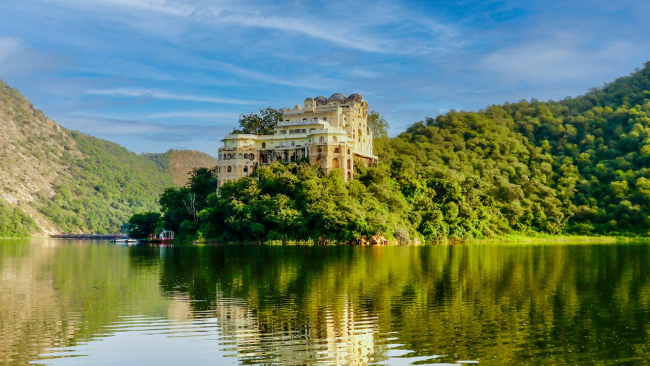
What Are Ramsar Sites?
The Ramsar Convention, adopted in 1971 in Ramsar, Iran, is one of the oldest multilateral environmental agreements. Its goal is to conserve wetlands and promote their sustainable use as key ecosystems that support biodiversity, regulate water cycles, store carbon, and buffer against climate extremes.
Wetlands include marshes, swamps, peatlands, lakes, river floodplains, mangroves, and estuaries—habitats that are among the most productive and biologically diverse on Earth. Recognition as a Ramsar site means the wetland has international importance due to its ecological functions and biodiversity values.
India’s Ramsar Progress: From Dozens to Nearly a Hundred
When India joined the Ramsar Convention in 1982, the country had very few internationally recognised wetlands. Since then, the pace of designations has accelerated, especially over the last decade.
- Total Ramsar Sites: As of late 2025, India has 96 Ramsar sites, covering around 1.36 million hectares of wetland ecosystems across the country.
- Growth Since 2014: The number of designated sites has increased rapidly from just 26 in 2014 to nearly a hundred today — a testament to India’s expanded focus on environmental stewardship.
- Geographical Spread: These sites span diverse landscapes – from brackish lakes in Tamil Nadu and Odisha and oxbow lakes in Bihar to marshes in Rajasthan and riverine habitats in the Himalayan foothills.
This growth places India first in Asia and third in the world in terms of total Ramsar sites, behind only the United Kingdom and Mexico.
Recent Additions: Strengthening Conservation Across Regions
Bihar’s Oxbow Lakes and Community-Led Conservation
One of the most exciting developments in late 2025 was the inclusion of Gokul Jalashay and Udaipur Jheel in Bihar on the Ramsar list. These oxbow lake systems — crescent-shaped water bodies formed by river meanders — are rich in biodiversity and vital for local communities.
- Gokul Jalashay: Located in the Buxar district, this wetland spans hundreds of hectares and supports diverse waterbirds, aquatic plants, and fish species.
- Udaipur Jheel: Situated in West Champaran’s floodplain, this lake is part of Udaypur Wildlife Sanctuary and serves as an important habitat for resident and migratory birds.
The recognition of Gokul Jalashay and Udaipur Jheel brings India’s tally to around 94 (recently to 96) Ramsar sites, further cementing its leadership role. Additionally, Bihar now boasts multiple Ramsar wetlands, highlighting both local and national commitment to conservation.
Rajasthan’s Khichan and Menar Wetlands
Earlier in 2025, Khichan in Phalodi and Menar in Udaipur were declared Ramsar sites. These sites highlight the ecological value of seemingly modest water bodies that host seasonal bird influxes, support amphibians and fish, and maintain hydrological balance in arid zones.
Other Notable Designations
India’s Ramsar network expanded with additions like:
- Wetlands in Tamil Nadu and Sikkim, including bird sanctuaries and high-altitude lakes.
- Sites in Jharkhand, adding critical freshwater ecosystems to the global list.
- Community-managed and culturally significant wetlands, showcasing how conservation ties into people’s livelihoods and traditions.
Why Expand Wetland Protection? Ecological and Social Benefits
1. Boosting Biodiversity Conservation
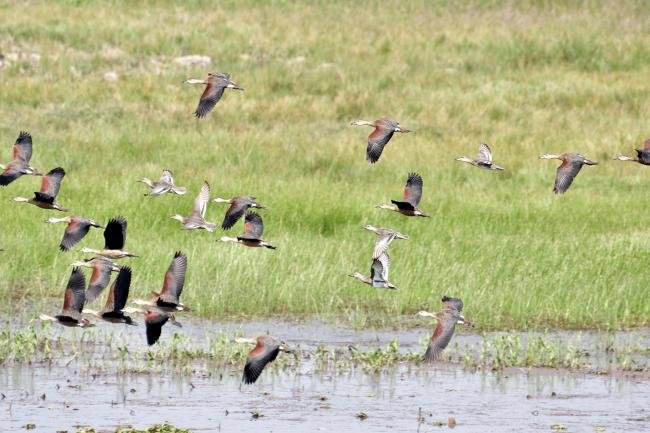
Wetlands support a wide variety of life—including fish, amphibians, reptiles, migratory birds, insects, and plant species. Many Ramsar wetlands are crucial for endangered or vulnerable species. By expanding the list, India is protecting habitats that are indispensable for migratory corridors and ecological connectivity.
2. Climate Regulation and Resilience
Wetlands act as natural carbon sinks, storing organic matter and helping regulate greenhouse gases. They also provide flood mitigation, especially in riverine plains, by absorbing excess water during monsoons and releasing it slowly. During droughts, they maintain groundwater and surface water balance.
3. Supporting Livelihoods and Cultural Values
In many regions, wetlands are tied to the socio-economic fabric — from fisheries and agriculture to tourism and traditional practices. Ramsar recognition often brings focused management plans, ecotourism potential, and opportunities for community participation.
4. Improving Water Security
Wetlands act as natural water purifiers, filtering sediments and pollutants. By conserving them, India enhances its ability to ensure clean water resources for communities downstream. This aligns with national strategies like Namami Gange and broader water governance reforms.
Challenges and the Path Ahead
Despite remarkable progress, India’s wetlands face multiple pressures:
- Pollution and urban encroachment: Even Ramsar sites like Pulicat Lake experience pollution threats from industrial effluents and urban runoff near cities.
- Agricultural runoff and invasive species: Excess nutrients and non-native plants can alter wetland ecology, affecting both biodiversity and local food webs.
- Climate impacts: Extreme weather, including erratic monsoons and heatwaves, threatens hydrological balance.
To tackle these, India must continue strengthening policy enforcement, promote scientific monitoring, and enhance community stewardship, ensuring that every Ramsar site thrives ecologically and economically.
India’s Global Leadership in Wetland Conservation
India’s ambitious Ramsar initiative is more than just tallying protected wetlands. It signals a strategic shift toward nature-based solutions, aligning with global frameworks such as the UN Convention on Biological Diversity and Sustainable Development Goals (SDGs).
- Global Influence: By achieving high Ramsar site numbers, India demonstrates that developing nations can balance economic growth with nature conservation.
- Knowledge Exchange: India’s experience — especially in community-led wetland management — offers valuable lessons for other countries working to reconcile development with ecological protection.
Conclusion
India’s continuous addition of Ramsar wetland sites marks a journey of ecological awakening and sustained environmental leadership. From oxbow lakes in Bihar to bird sanctuaries in Tamil Nadu, each designation reflects a deeper understanding that wetlands are not leftover landscapes, but cornerstones of ecological balance and human wellbeing.
By protecting these precious ecosystems, India is:
✔ Safeguarding biodiversity
✔ Enhancing climate resilience
✔ Supporting local economies
✔ Reinforcing community stewardship
✔ Setting an example on the global stage
As more wetlands gain recognition and protection, India’s commitment contributes not just to national sustainability goals, but also to the future of our planet’s interconnected ecological health.