



Five Years of Frozen Skies
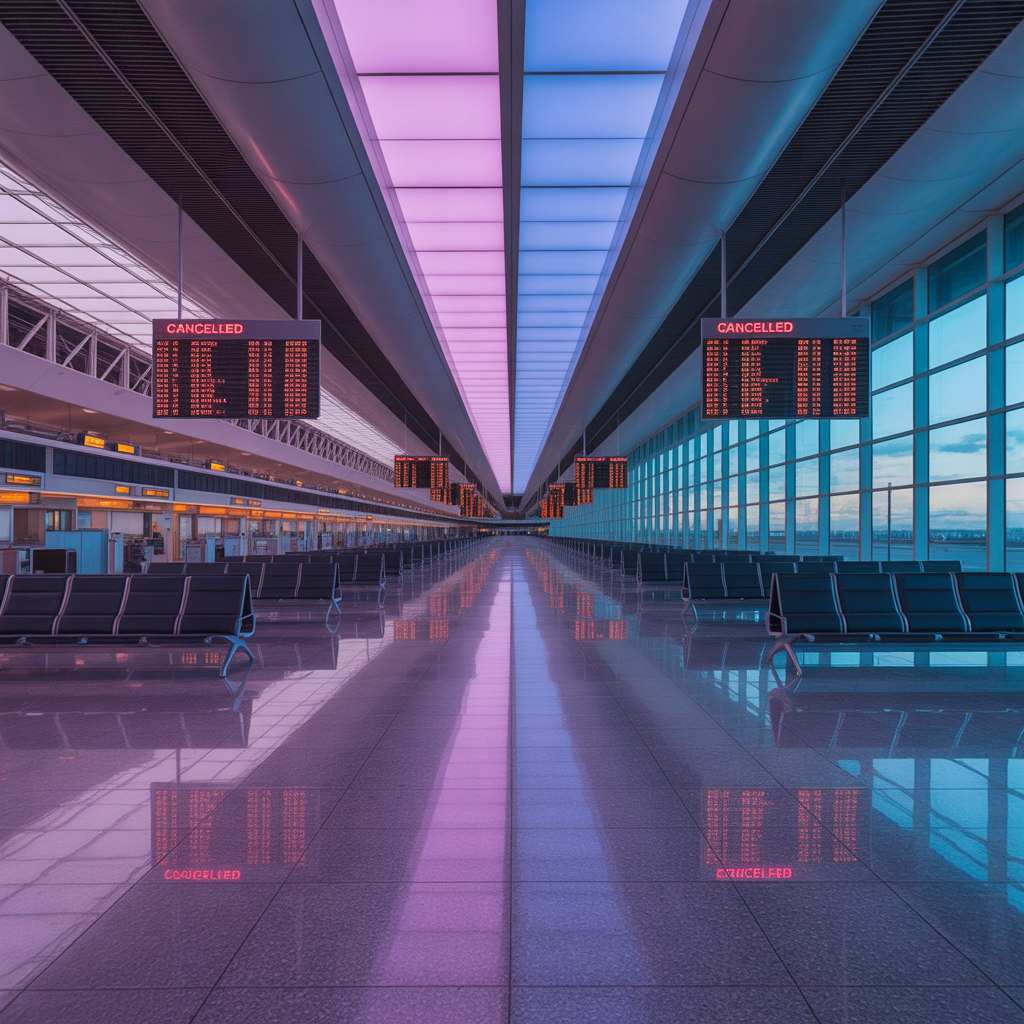
India-China relations are entering a new chapter with the resumption of direct flights after a five-year suspension. This move signals not just restored air connectivity but also a shift in how the two Asian giants manage diplomacy, trade, and cultural ties despite unresolved border disputes
Air links — once among Asia’s busiest corridors — were suspended indefinitely, severing vital connections between two of the world’s most populous nations. The halt disrupted millions of travelers, impacted billions in trade, and stalled decades of carefully nurtured cultural and academic exchange.
The Announcement That Changed Everything
After years of back-channel diplomacy, military commander-level talks, and quiet negotiations, late 2024 finally brought a breakthrough: New Delhi and Beijing jointly confirmed that direct flights would gradually resume. By early 2025, the first commercial services are expected to reconnect Delhi with Beijing and Mumbai with Shanghai, reestablishing vital business and cultural lifelines.
This announcement represents more than just restored convenience — it signals a calculated thaw in one of Asia’s most complex bilateral relationships.
Diplomatic Thaw: Compartmentalizing Conflict
The resumption of flights is not a sign that India and China have resolved their border disputes. Far from it. Multiple friction points remain along the Line of Actual Control (LAC), and both sides remain wary of each other’s military build-up. But the two governments have recognized a pragmatic reality: full resolution may take decades, while economic and people-to-people ties cannot remain hostage forever.
Several factors contributed to this decision:
- De-escalation on the ground: Since 2021, both militaries have disengaged from certain flashpoints, reducing the risk of another Galwan-style clash.
- Pragmatism over perfection: Leaders on both sides appear willing to “compartmentalize” — separating unresolved territorial disputes from broader cooperation.
- International pressure: Major partners, including the U.S., Russia, and ASEAN countries, have quietly pushed India and China to stabilize ties for regional security and economic stability.
In short, the skies are reopening because both governments see more to gain by cooperating economically than by remaining locked in diplomatic stalemate.
Economic Engines Back Online
Before the freeze, China was India’s largest trading partner. In 2021, despite tensions, bilateral trade still reached a record $115 billion, driven largely by Indian imports of Chinese machinery, electronics, and chemicals. But disrupted connectivity added significant costs and delays for businesses.
Direct flights will:
- Cut costs: Reducing travel times and expenses for executives and traders.
- Boost trade: Streamline logistics for high-value goods and time-sensitive shipments.
- Encourage investment: Signal to global investors that both nations are serious about maintaining economic engagement despite political rivalry.
With Asia’s two largest economies reconnecting, the move is expected to reverberate across global supply chains.
Cultural Bridges Rebuilt
The effects go far beyond business. For ordinary people, the resumption of flights restores long-lost connections:
- Students and academics: Before 2020, thousands of Indian students were enrolled in Chinese universities, particularly in medicine. Exchange programs, research collaborations, and joint conferences can now resume.
- Tourism revival: Indian tourists eager to explore China’s Great Wall or modern cities, and Chinese travelers seeking India’s cultural and spiritual sites, are already driving early booking surges.
- Family reunions: Families separated by work, marriage, or migration finally regain affordable, direct options to meet.
- Professional networks: Trade shows, academic symposiums, and industry conferences — suspended for years — can now restart, revitalizing cross-border knowledge exchange.
In many ways, the reopening of flights is about restoring trust at the people-to-people level, which is often more resilient than politics.
Strategic Calculations Behind the Curtain
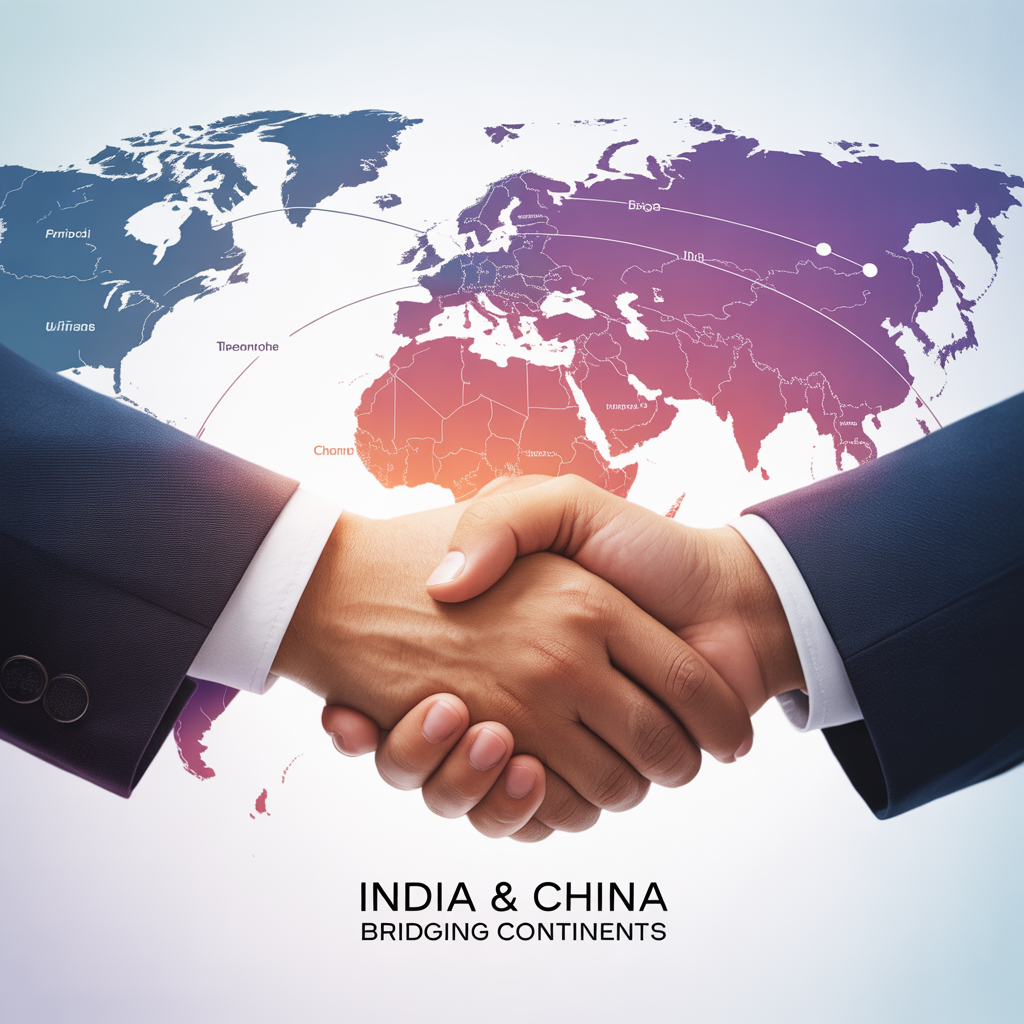
Yet this is no simple story of reconciliation. Both India and China are carefully calculating how to manage cooperation without conceding strategic ground.
- Managed competition: The model resembles “rivalry with engagement.” Both nations will continue competing for influence in Asia — from infrastructure projects to digital technologies — while still trading heavily with one another.
- Third-party effects: The thaw will force recalculations in Washington, Moscow, and regional capitals. Some partners may welcome stability; others prefer India and China remain distant.
- Uncertain durability: Critics warn that unless the LAC sees a genuine settlement, future flare-ups could once again freeze ties — and ground flights.
In other words, the resumption of air services is a positive signal, but not an all-clear for the relationship.
What Comes Next
- Gradual expansion: Starting with major hubs like Delhi–Beijing and Mumbai–Shanghai, more city pairs could be added if demand grows.
- Economic integration: With flights back, new investment protocols and trade facilitation agreements may follow.
- Regional precedent: If India and China can compartmentalize disputes while pursuing prosperity, other Asian neighbors may follow suit in managing their own territorial disagreements.
Key Insight
The resumption of direct India-China flights is far more than a logistical update. It’s a test case in great power diplomacy — proving whether two rivals can set aside irreconcilable political differences to achieve mutual economic benefits.
If successful, this experiment could influence how nations across the world manage their own balance between competition and cooperation. If it fails, the skies may once again fall silent, reminding us that trust, once broken, is hard to rebuild.