


Did you know the trade between India and the EU hit €100 billion last year? This shows how urgent the talks are. Both sides aim to wrap up a big deal by 2025. They’re working hard to solve old issues and build stronger ties.
The talks cover many areas, aiming to improve economic ties. We’ll explore the efforts being made. This could shape the future of trade between India and the EU. Reuters
Overview of India-EU Trade Talks
The India-EU trade talks started in 2007. This was the beginning of a big journey towards a Free Trade Agreement (FTA). They aim to cover goods, services, and investments.
Over the years, progress has seen ups and downs. This shows how EU relations are changing.
Looking at the trade negotiations overview, we see India’s growing economy meets the EU’s big market. This mix is promising for working together. Both sides see the benefits of a stronger partnership.
These talks are good for jobs and growth in both places. Knowing the history and current efforts in the India-EU trade talks is key. It helps us understand the full impact of a possible FTA.
Importance of Trade Relations between India and EU
Trade between India and the EU is key for economic growth. It’s valued at about €100 billion a year. This shows a strong partnership that helps both sides.
Important areas like tech, cars, and medicines are at the heart of this trade. India’s tech growth meets the EU’s need for new ideas. The car industry is also promising, with a focus on green and electric cars.
Pharmaceuticals show the good work between India and the EU too. India helps the EU get cheaper medicines. This helps businesses grow and creates jobs.
Working hard to improve trade can lead to better deals. We can tackle tariffs and make trade easier. This will help India and the EU grow closer economically.
Key Objectives of the Ongoing Negotiations
The talks between India and the EU aim to meet key trade goals. One main goal is to cut tariffs on many goods. This can boost trade and strengthen ties between the two sides.
Tariff cuts help exporters and make products cheaper for buyers. This is good for both regions.
Another focus is on making rules the same. This makes trade smoother and lets businesses work better across borders. It also means safer and better products for everyone.
Dealing with non-tariff barriers is also key. These talks aim to remove trade hurdles. This makes trade faster and cheaper, helping both sides grow.
These steps will create a strong partnership. It will help both India and the EU grow and innovate. This will also give consumers more choices and help the economy.
India-EU Trade Talks: Current Status and Developments
Trade talks between India and the European Union are getting a lot of attention. Meetings and negotiations have happened in Brussels and New Delhi. These show how important it is for key people to work together.
Recent Meetings and Negotiations
Negotiations have sped up as both sides try to solve big issues. High-level talks have included government and industry leaders. They work on trade agreements that could help everyone.
The latest talks focused on removing trade barriers. They made sure everyone’s voice was heard in the complex talks.
Stakeholders Involved in the Discussions
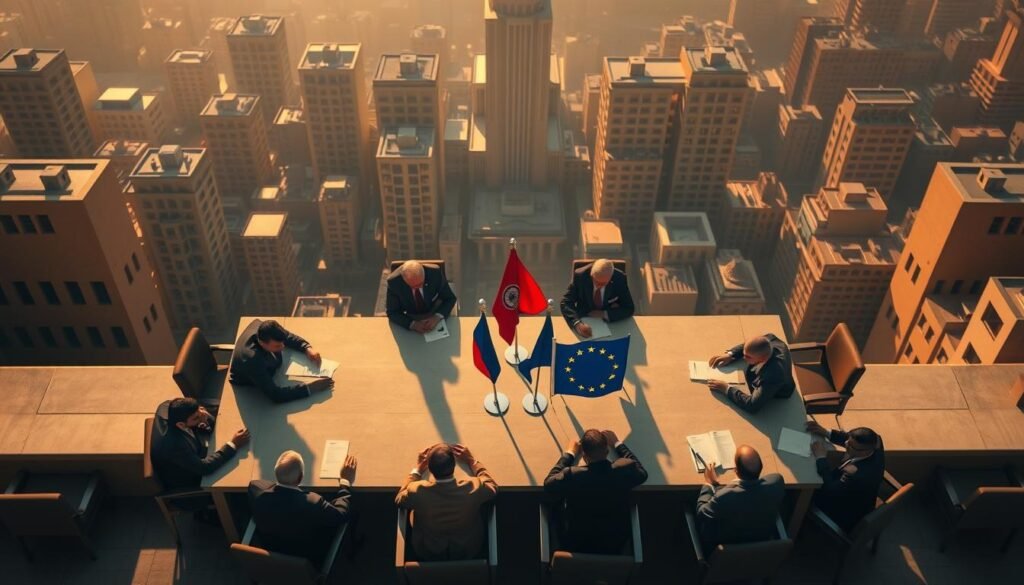
Many different groups are important in these talks. Government officials, industry leaders, and trade groups work together. They create policies that help both markets.
This teamwork helps understand trade better. It leads to better results for both sides. Their knowledge helps solve the tough challenges in the talks.
| Stakeholder Type | Key Responsibilities |
|---|---|
| Government Officials | Formulate trade policies and negotiate terms |
| Industry Representatives | Provide insights on market needs and economic impacts |
| Trade Organizations | Facilitate discussions and represent various sectors |
Major Issues Impacting the Trade Talks
Many trade issues are affecting talks between India and the EU. A big problem is agricultural subsidies. India wants to help its farmers, but the EU wants less barriers and fair competition.
Intellectual property rights are also a big issue. The EU wants stronger protections for innovation. But India sees this as a threat to affordable medicines and technology. Finding a solution is hard because of their different views.
Access to services markets is another big challenge. India wants to grow its service sector in EU markets. But the EU is worried about rules and standards. They need to work together to find a good solution.
Strategic Significance of Finalizing the Deal
The India-EU trade agreement is very important for both sides. It will bring big economic benefits. This deal will change how markets work and make relationships stronger.
It shows how open markets help India grow and the EU to be a global leader. This is good for everyone involved.
Potential Economic Benefits
There are many good things about this trade deal:
- Increased GDP growth because of lower tariffs and better market access.
- Job creation in tech, pharma, and manufacturing.
- Enhanced competitiveness of businesses, leading to more innovation and efficiency.
Global Influence and Partnerships
This deal will make India more important on the world stage. It will show India as a major player in trade. This will make India more attractive to other countries.
The EU will also show it’s a big supporter of fair trade. Together, India and the EU will work on global goals. They will build strong partnerships around the world.
Timeline for Trade Agreement Completion
As we get closer to 2025, knowing the trade agreement timeline is key. Both India and the EU are making good progress. They have set out negotiation timelines for important parts of the deal.
They are focusing on big areas that show what each side wants economically. This shows we need a clear plan.
There have been many important moments in these talks. Meetings between India and the EU have helped set clear goals. This has made it easier to work towards a deal.
Notable dates include the start of talks in 2021. This set the stage for the ongoing work.
The next few months are very important. Both sides aim to agree by early 2025. As things get ready, businesses need to stay alert and flexible.
Getting ready for the deal’s changes could give a big edge. The EU and India are big markets. Understanding the timeline is key to making the most of this big partnership.
Industry Reactions to Trade Discussions
Trade talks between India and the European Union are getting a lot of attention. We see many different opinions from businesses on both sides. This part talks about what Indian companies and EU businesses think about these talks.
Feedback from Indian Businesses
Indian companies want more access to the EU market. They think this could help their economy grow a lot. Cutting tariffs is a big wish for them, as it would make them more competitive.
Leaders from different fields like textiles, agriculture, and tech agree. They say better trade rules could lead to stronger partnerships and more chances in Europe.
Perspectives from EU Corporations
EU companies are excited to work more with Indian businesses, mainly in pharma and tech. They see India as a big market with lots of possibilities. They’re ready to share new ideas together.
This positive feeling shows they hope these talks will bring good things for both sides. They see this as a key moment to improve their economic ties and reach common goals.
Comparative Analysis: India and EU Trade Policies
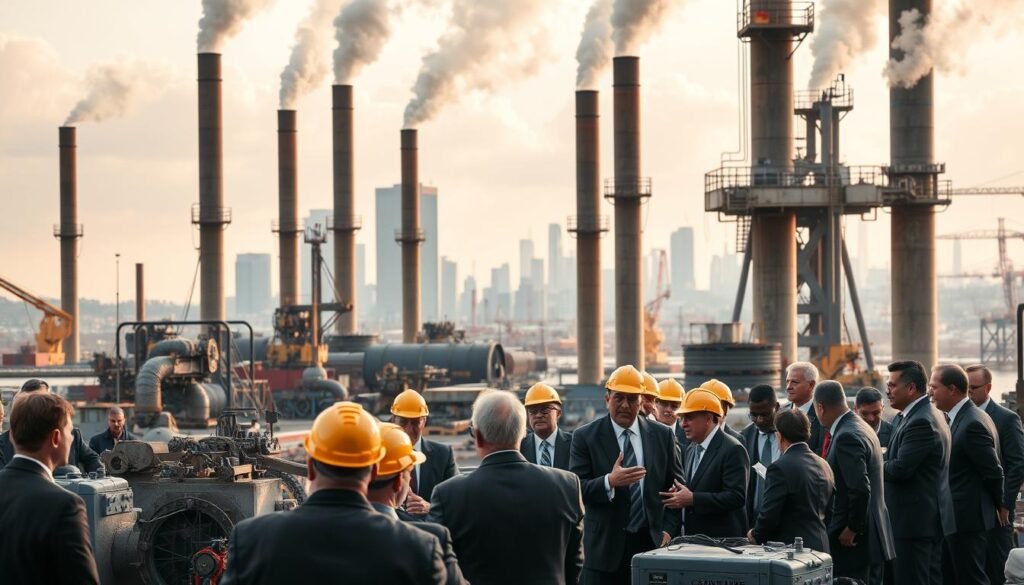
Trade policies in India and the EU show big differences. These affect how they trade with the world. Tariffs are a key area where they differ. India has higher tariffs to protect local businesses. The EU has lower tariffs to make the market more competitive.
Regulations also show different paths. The EU focuses on strict rules for safety and the environment. India has more flexible rules to attract foreign investment. This lets Indian businesses grow fast but might cause quality issues.
Support for businesses is another area of difference. The EU gives a lot of money for new tech and green projects. India uses tax breaks and subsidies to help start-ups and entrepreneurs. This comparison shows how both can learn from each other, leading to better global trade.
Future Prospects for India-EU Relations
The future of India and the EU depends on trade talks. A good deal could make their partnership stronger. It could also help in sharing new technologies and fighting climate change.
Looking forward, working together on clean energy and digital projects is key. This would help both sides grow economically and tackle global issues together. Their partnership is built on respect and cooperation.
By working closely, India and the EU can use their strengths. The EU’s tech and India’s growing market offer big chances for both. The future looks bright for their economic and strategic ties.
Potential Challenges and Roadblocks Ahead
Trade talks between India and the EU are making progress. But, there are challenges and roadblocks ahead. Both sides are hopeful, but some issues could slow things down.
Domestic politics is a big problem. In both India and the EU, different groups might disagree on trade rules. This could cause delays as everyone fights for what they want.
There are also regulatory issues. Each country has its own rules for trade. Finding common ground takes a lot of talking and compromise, which can slow things down.
Global markets add to the complexity. Changes in the economy and trade with other countries affect both India and the EU. Negotiators need to be quick to keep agreements good and useful.
Knowing these challenges helps both sides plan better. It’s important to be realistic about these obstacles. This way, they can build a strong trade relationship in the future.
Impact of Global Economic Trends on Trade Talks
Global economic trends greatly affect the impact on trade talks between India and the EU. As big economies grow and markets change, both sides face big challenges. It’s key for negotiators to keep up with these shifts.
Trade alliances are always changing, leading to important decisions. The rise of new economies changes the balance of power. This means India and the EU must adjust their plans.
Looking at things like tariffs and digital trade shows how global trends affect talks. Understanding these trends helps us see what’s ahead for these talks.
Conclusion Remarks from Experts on Trade Outcomes
Experts from leading fields have shared their views on trade between India and the EU. They highlight how a trade deal could change both economies. This includes better market access, more investment chances, and aligning rules.
They say making economic partnerships work needs a careful balance. Despite challenges like tariffs and different rules, most experts are hopeful. They see real chances for both India and the EU to grow together.
The future looks bright for these talks. Experts believe they could lead to more innovation and cooperation. With dedication, we can expect a deal that boosts ties between India and the EU and improves the world economy.