



The debate between traditional food and modern diet is growing. Experts show big health differences. Traditional Indian diets are often richer in nutrients than today’s fast food.
These diets are more balanced. Modern eating habits focus on quick, easy meals, not health. This article looks at these differences.
It shows why we should go back to hearty, traditional meals. These meals are good for us and follow our cultural ways. With more health problems from today’s diet, knowing these differences is key to better health for all.
The Essence of Traditional Indian Diets
Exploring traditional Indian food reveals its core elements. At its heart is a focus on seasonal eating. This means choosing foods that match the land’s offerings all year. It makes meals more flavorful and boosts health by using fresh ingredients at their best.
Seasonality in Food Choices
Seasonal eating is key in traditional Indian diets. It matches meals with what’s available locally, ensuring a wide range of nutrients. This approach brings variety, boosts nutrition, and connects us to nature’s rhythms.
Importance of Fresh Ingredients
The role of fresh ingredients in Indian cooking is huge. Fruits, veggies, and grains from local farmers are packed with nutrients. This focus on freshness makes meals not just tasty but also super nourishing.
The Role of Spices in Nutrition
Nutritional spices are what make traditional Indian food special. They add flavor and health benefits. Spices like turmeric, cumin, and coriander improve digestion and overall health. They turn traditional Indian diets into a complete way to nourish the body.
Modern Eating Habits: An Overview
In recent years, how we eat has changed a lot. This is mainly because of the ease of finding and eating processed foods. Packaged meals and fast food have become more common, affecting our diets, mostly in cities.
Busy lives mean many families turn to quick, processed foods. This has led to a drop in cooking meals at home. Traditional cooking is losing ground.
Rise of Processed Foods
Processed foods are becoming more popular. They often have a lot of sugar, unhealthy fats, and preservatives. This makes them less nutritious than homemade meals.
This change means we’re eating less healthy food. It’s causing health problems, making people think twice about what they eat.
Shift in Family Cooking Practices
With less time, cooking at home is becoming less common. Families are choosing fast, easy meals instead. This choice is hurting their health.
Going back to cooking with fresh ingredients is key. It can help fix some of the health issues caused by processed foods.
Traditional Food vs Modern Diet: A Comparative Analysis
Looking at traditional food and modern diet shows us a lot about our eating habits. Traditional meals mix grains, lentils, veggies, and spices in a way that’s good for us. This mix gives us the nutrients we need and helps us stay healthy.
On the other hand, modern diets often choose convenience over health. This leads to foods high in calories but low in nutrients.
Nutritional Balance in Traditional Meals
Traditional diets are known for their nutritional balance. They include a variety of foods to give us vitamins, minerals, and fiber. Foods like lentils and whole grains offer protein and fiber, while veggies add important nutrients.
This mix of foods shows the many traditional food benefits. It highlights how food is more than just something to eat; it’s a key to good health.
Harmful Effects of Modern Diets
Modern diets, filled with processed and fast foods, can harm our health. They are often high in sugars, unhealthy fats, and sodium. This can lead to problems like obesity, diabetes, and heart disease.
Choosing convenience over health can lead us to ignore the nutritional balance of traditional meals. This makes the dangers of modern diets even more serious. It’s important to know these risks to make better food choices.
Health Benefits of Traditional Indian Food
Traditional Indian food is packed with health benefits. It uses seasonal ingredients to make each dish. This way, we get the most nutrients from nature.
Connection to Seasonal Ingredients
Traditional Indian cooking uses a wide range of seasonal ingredients. These include fresh veggies, fruits, and whole grains. They add flavor and match nature’s cycles.
Eating with the seasons means we get the best nutrients. These foods are picked when they’re at their peak. This ensures we get the most health benefits.
Promotion of Digestive Health
Traditional Indian food also focuses on digestive health. Foods like lentils and spices like cumin and ginger help digestion. They work together to improve gut health.
By choosing these flavors, we support our overall wellness. It’s a way to keep our bodies healthy and strong.
Challenges of Modern Diet Problems
In urban India, we see big problems with our diets. We eat too much sugar and salt, which is bad for our health. The rise in processed foods has made it hard to avoid sugar in our diets.
Sugary drinks and snacks are everywhere. They taste great but can harm our health. This is a big issue for our well-being.
Increased Sugar and Sodium Intake
Studies show we eat way too much sugar in cities. We also get too much salt from fast food and packaged meals. These habits lead to serious health problems.
It’s important to understand how sugar and salt affect us. As we adopt these eating habits, knowing the risks is key.
Link to Lifestyle Diseases
There’s a clear link between our diets and diseases like high blood pressure and diabetes. These conditions are becoming more common. It’s vital to see how our choices affect our health.
To make our future healthier, we need to learn and work together. Changing our diet habits is a big step towards better health.
The Impact of Processed Food on Health
As urban lifestyles change, more people eat processed food. This food has additives that make it taste better and last longer. These additives are in many snacks and meals. It’s important to know how they affect our health to make better food choices.
Understanding Food Additives
Food additives are added to keep food fresh or taste better. Examples include artificial flavors, preservatives, and emulsifiers. While they help food last longer, they might harm our health over time. They can cause allergies, digestive problems, and other issues, making us question their safety.
Long-Term Health Consequences
Eating a lot of processed food with additives can harm us a lot. Studies show it can lead to obesity, diabetes, and heart disease. This is a big problem in cities, where we eat more of these foods. Knowing the risks helps us choose healthier, natural foods instead.
Nutrition Lifestyle Influences
In India, food and cooking are deeply rooted in culture and tradition. These traditions show how families come together over meals. This way of eating strengthens bonds and creates lasting memories.
The Role of Cultural Practices
Cultural practices are key to our eating habits. In many Indian homes, cooking is a family affair. Everyone works together to make meals, sharing and learning from each other.
Recipes passed down through generations tell stories and carry traditions. They highlight the importance of each ingredient. This way, we learn to appreciate the effort and love that goes into our food.
Community and Family Involvement
Being part of the community is vital for a healthy lifestyle. Neighborhood gatherings often involve cooking and sharing meals. This encourages families to choose healthy, homemade food.
Programs that teach traditional cooking can boost community spirit. They help spread health awareness, benefiting everyone in the community.
Cooking Methods: Traditional vs Modern
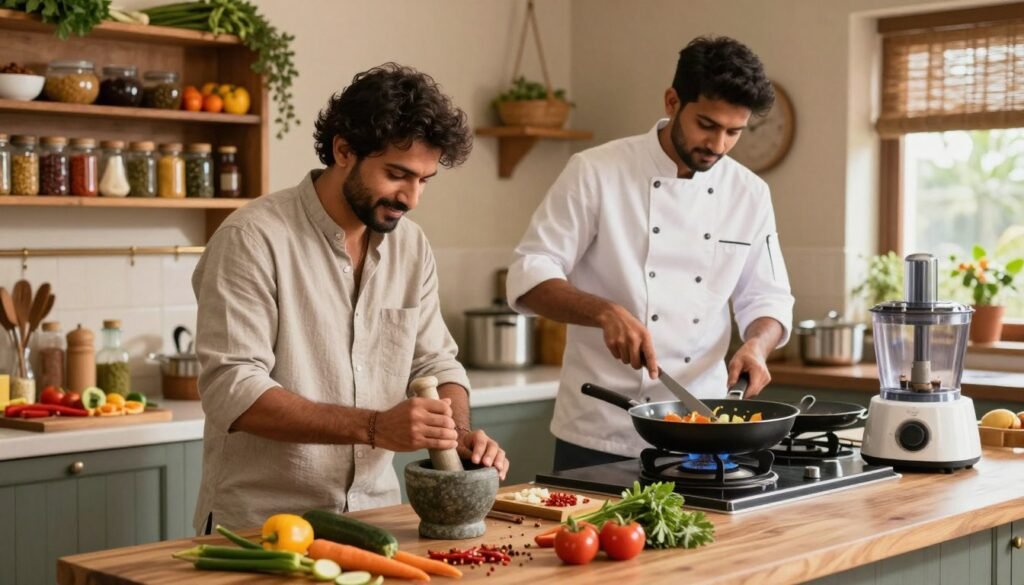
When we look at cooking methods, we see a big difference between old and new ways. Traditional Indian cooking often uses steaming, boiling, and slow cooking. These methods help keep nutrients in food, making meals tasty and healthy.
On the other hand, modern cooking is faster but might not be as healthy. Knowing these differences helps us understand how they affect our health.
Healthier Cooking Techniques in Traditional Diets
Traditional cooking focuses on healthy habits. Slow cooking, for instance, lets flavors grow while keeping food moist and full of nutrients. Steaming veggies keeps them colorful and full of vitamins.
These methods make food not just good to eat but also packed with nutrients. Using these techniques can make our meals healthier, improving our health over time.
Impact of Fast Cooking Methods
Fast cooking, like microwaving and quick frying, can hurt our diet’s health. These quick methods might make food less nutritious. They often use processed ingredients and fast cooking, adding unhealthy stuff to our food.
It’s important to understand the effects of these cooking methods. We need to find a balance in how we cook to stay healthy.
The Importance of Local Ingredients
Using local ingredients connects us to our community and makes food taste better. Supporting local farmers means we get fresher, tastier food. It also helps our local economy grow.
By choosing local, we help our food system stay strong. This benefits everyone involved in growing our food.
Supporting Local Farmers and Economies
Buying local helps our community. It helps farmers succeed in a tough market. These farmers care for the earth, which helps us all.
When we buy local, we build a strong economy. This economy can grow and support more people.
Environmental Benefits of Local Sourcing
Local ingredients cut down on carbon emissions from food transport. This choice helps our planet and supports nature. It’s good for the earth and our community.
Psychological Effects of Eating Habits
Eating habits do more than just feed us; they affect our feelings and mind. We see how food gives us comfort and happiness. Traditional dishes remind us of happy memories and our cultural roots.
Comfort Food and Well-being
Comfort food is key to our emotional health. Eating familiar dishes can make us feel safe and calm when we’re stressed. Foods like khichdi or halwa do more than fill our bellies; they bring warmth and a sense of home.
Enjoying these foods lifts our mood. It strengthens the bonds we share with family and friends over meals.
Mindfulness in Eating
Mindful eating helps us connect with our food in a new way. It makes us appreciate what we eat more. By paying attention to taste, texture, and the act of eating, we build a better relationship with food.
Practicing mindful eating turns meals into moments of reflection and thanks. It boosts our mental health and helps us eat better.
The Shift Towards Home-Cooked Meals
More families are choosing to cook at home. This change is due to the health risks of processed foods. Cooking at home means using fresh ingredients and spending quality time together.
Resurgence in Traditional Cooking
People are finding joy in cooking again. It lets them control what they eat and feel a sense of pride. Families are coming together to share recipes and bond over meals.
Economic Benefits of Home Cooking
Cooking at home saves money. It’s cheaper than buying pre-made foods. Families can use local ingredients and plan meals to save money. Cooking at home is good for your health and your wallet.
Nutrition Education and Awareness
In today’s fast-changing food world, nutrition education is key. It helps people understand their food choices. Knowing how to read food labels and understand nutritional info leads to better choices. This leads to better health for everyone.
Understanding Food Labels and Nutritional Information
Learning to read food labels is the first step. Knowing about calories, serving sizes, and nutrients helps make better choices. Spotting added sugars or unhealthy fats can change how we eat.
Importance of Nutritional Literacy in Schools
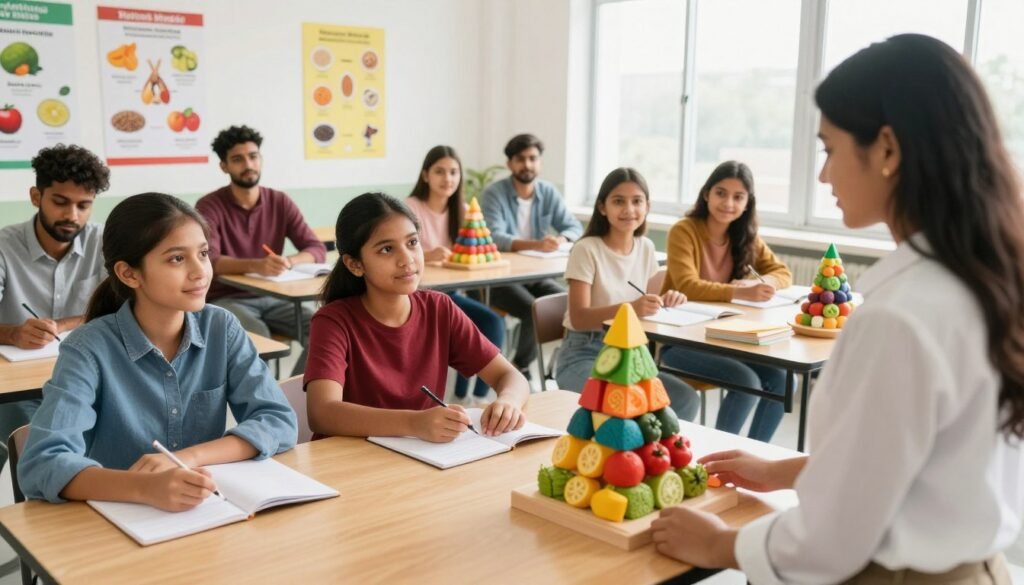
Schools are vital for teaching nutritional literacy. Learning about healthy eating and sustainable food in school is important. It teaches kids to make good food choices, helping them face today’s diet challenges.
The Future of Indian Diets
Indian diets are changing, blending old traditions with new nutrition needs. We’re moving towards sustainable eating, better nutrition knowledge, and creative cooking. This shift meets our health goals and cares for the planet.
Blending Tradition with Modern Nutrition
Mixing old Indian food ways with today’s nutrition is exciting. We’re seeing more local foods that honor our culture and are good for us. This mix makes us think more about our food, connecting us to it in a new way.
Innovative Approaches to Healthy Eating
Technology is bringing new ideas to meal planning and healthy eating. Apps and websites help us tailor our diets to fit our Indian food traditions. These tools make it easy to choose healthy options that taste great and stay true to our culture.
Conclusion
We stand at a key moment in nutrition, looking at the health differences between old and new diets. Traditional Indian diets focus on fresh ingredients and the good stuff in spices. They contrast sharply with today’s fast food and processed meals.
Choosing traditional diets has big health benefits. It helps us fight diseases linked to our lifestyle. Mixing old and new diet ideas can keep our food traditions alive while making us healthier.
By choosing wisely and learning from both diets, we can change how we eat. This shift towards better eating starts with knowing what we eat. It’s about respecting our past and caring for our health.