



Our first long ride across Maharashtra was unforgettable. The train left Mumbai at dusk, and a hawker sold us chai. This simple moment turned our trip into a story. It showed us why train travel in India is special.
India’s railways connect cities and villages with over 13,000 trains daily. From short trips in Kolkata to long journeys across the subcontinent, trains offer both convenience and atmosphere. The Dibrugarh–Kanniyakumari route, for example, spans over 4,000 km, showing the diversity of regional life.
Students, engineers, and educators often choose trains for their convenience and learning. Trains range from basic to luxury services like Maharajas’ Express and Deccan Odyssey. These options suit different budgets and interests, from field trips to cultural tours.
Traveling by rail can be more than just getting from point A to B. Sleeper fares include meals, and third-class compartments offer views of markets and rituals. For groups, we offer expert planning and educational itineraries. Contact info@indiavibes.today for help with sustainable and historic rail travel.
Why Train Travel is Unique in India
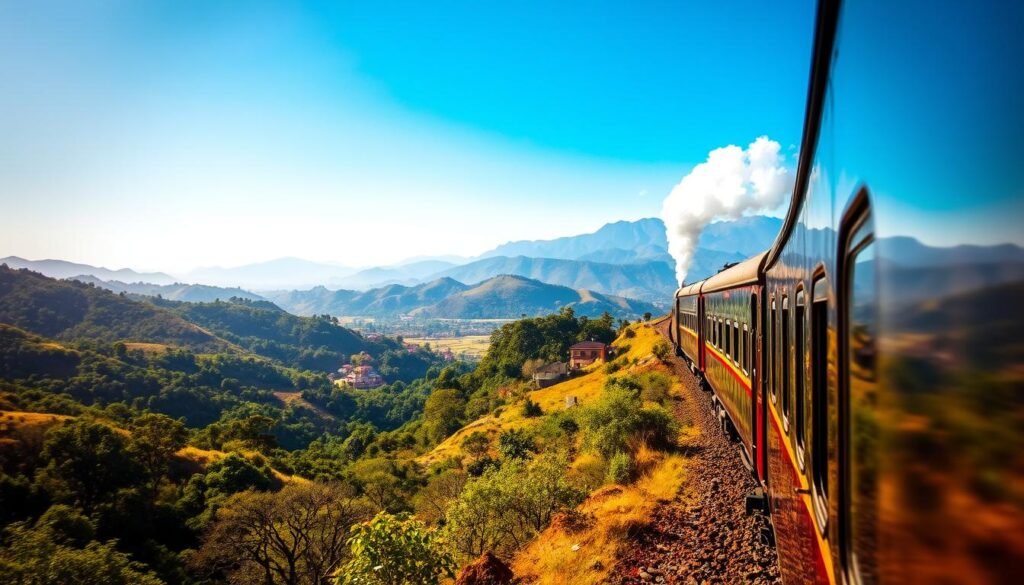
Train travel in India is unlike anywhere else. It combines technical skill with cultural richness. Trains are like moving labs for engineers and travelers, showing the power of human design and sensory experiences.
Cultural Richness Along the Routes
Trains in India are like small worlds. Politicians, students, workers, and merchants all ride together. Watching them shows us how people behave and interact, which is key for designing transport.
On the train, you can buy snacks like pakoras and samosas. This informal market connects rural areas to cities, keeping local food traditions alive during train rides.
Heritage trains like the Darjeeling Himalayan Railway show off old engineering skills. Passengers cheer at sights like the Batasia Loop, singing Bollywood songs along the way. This mix of tradition and nostalgia makes the journey special.
Landscapes You Won’t Forget
Trains in India pass through amazing landscapes. From coasts to mountains, tea gardens to backwaters, the views are stunning. The Konkan Railway, for example, has over 2,000 bridges and 92 tunnels, creating breathtaking scenery.
Mountain trains like the Nilgiri and Kalka–Shimla offer UNESCO-listed views. You’ll see places like Dudhsagar Falls and Lake Chilika. These sights turn regular trips into unforgettable journeys.
The Experience of Community Travel
Long-distance trains like the Dibrugarh–Kanniyakumari create a community on wheels. Traveling for days shows us how people interact, share stories, and help each other. This is important for understanding how people work together.
Open windows bring in fresh air, steam, and food smells. These sensory details help designers make trains that are accessible and enjoyable for everyone.
| Aspect | What We Observe | Relevance to Engineers and Educators |
|---|---|---|
| On-board Economy | Hawkers selling regional foods and goods | Insights into passenger demand patterns and supply chains |
| Heritage Lines | Darjeeling Himalayan Railway, Nilgiri Mountain Railway | Case studies in historical preservation and rugged engineering |
| Scenic Corridors | Konkan coast, Pamban Bridge, Dudhsagar Falls | Design requirements for observation, comfort and safety |
| Social Dynamics | Mixed demographics sharing cabins on long routes | Human factors data for seating, accessibility and service design |
| Sensory Experience | Open windows, aromas, tactile climate changes | Inputs for multimodal experience and inclusive design |
Popular Train Routes to Explore
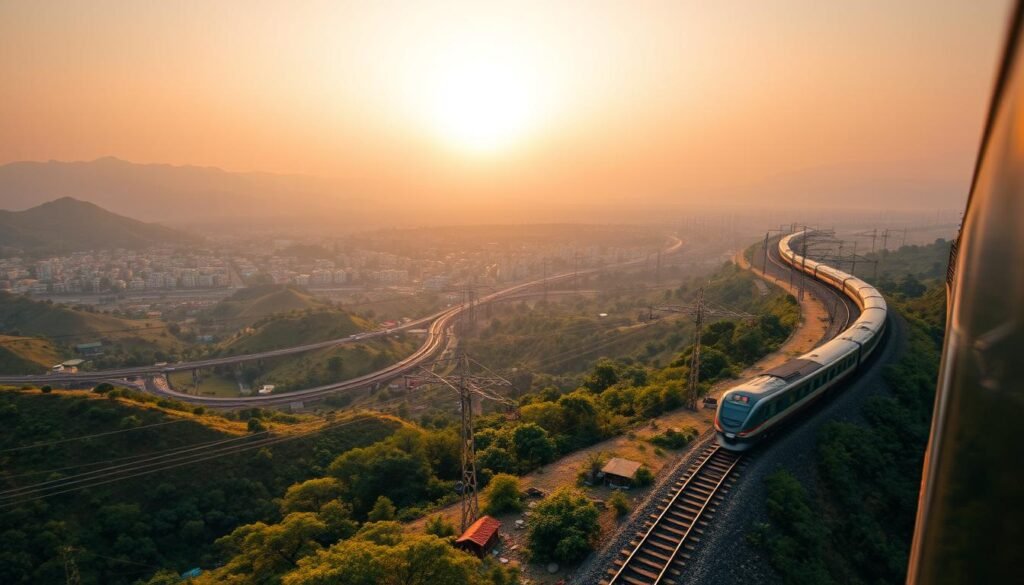
We’ve picked out three amazing train journeys for you to explore. These routes teach us about infrastructure, service design, and cultural experiences. They are among the best in India for different reasons like heritage, logistics, and coastal engineering.
The Palace on Wheels is a top choice for luxury travel. It runs through Rajasthan, passing by forts and palaces. The train’s carriages are like royal suites, showing off restoration and themed interiors.
It offers day trips that mix train rides with visits to historical sites. This makes it a favorite for those who love luxury train travel in India.
Deccan Odyssey is a unique journey from New Delhi to Mumbai. It lasts eight days and includes stops at famous places like Ranthambore and the Taj Mahal. The train’s services, like private butlers and coordinated meals, show how to manage complex hospitality.
This route is great for planned sightseeing within luxury train travel in India.
Konkan Railway’s Coastal Journey is a marvel of engineering. It spans over 581 km from Mumbai to Madgaon, crossing many bridges and tunnels. Despite challenges like flash floods and landslides, it provides a reliable coastal route.
Travelers love the open-window coaches for enjoying hawker culture and sea views. This makes Konkan Railway a standout for its scenic beauty.
For those interested in more, there are other notable lines. The Darjeeling Himalayan Railway is known for mountain engineering. The Konark Express is close to Chilika Lake. And Pamban Bridge crossings are famous for their marine-span design. Each route offers a unique lesson in rail systems and travel experiences.
Planning Your Journey: What to Know
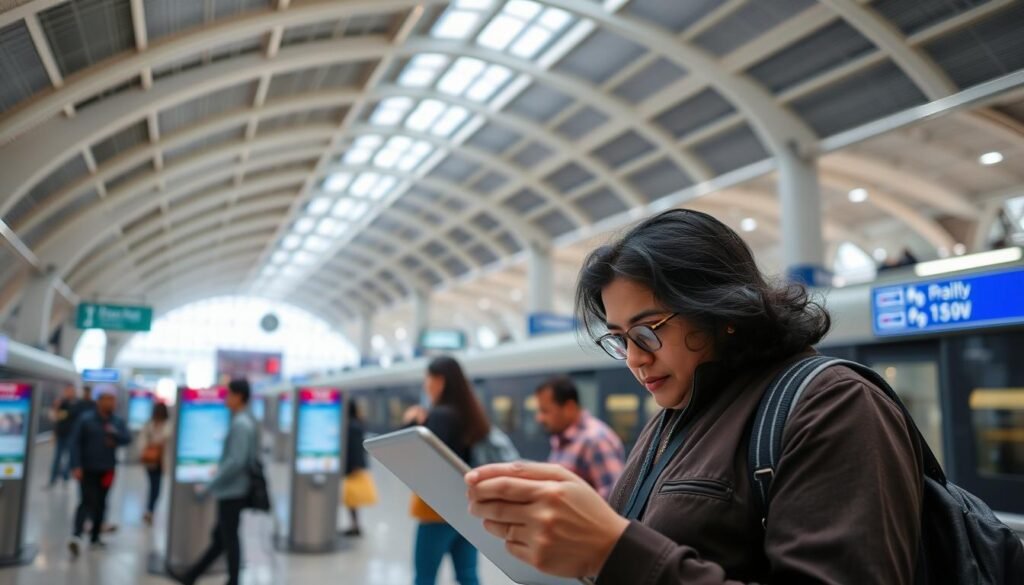
We plan trips with care so every rail journey feels effortless. A few smart steps before you depart will save time and let you enjoy Travel by Train in India without stress. Use trusted tools, pack thoughtfully, and pick service classes that match your comfort needs and route terrain.
Booking Tickets in Advance
Indian Railways and IRCTC handle most reservations, so we recommend you book train tickets online well before peak seasons. Popular routes and heritage services—Darjeeling Himalayan Railway and Nilgiri Mountain Railway—fill quickly. Luxury itineraries like Deccan Odyssey require early planning for cabin availability.
Plan around seasonal windows: monsoon highlights Konkan scenery, winter opens Kashmir journeys, summer suits hill stations. For long-distance sleepers and special trains, confirmations and tatkal rules matter. Keep ID ready and save digital and printed copies for inspections.
Choosing the Right Class of Service
Classes span General and Sleeper up to AC 3-tier (3A), AC 2-tier (2A) and First AC. Luxury trains offer private cabins with en-suite amenities. For long multi-day routes, 2AC strikes a balance between privacy and value.
Duronto and Rajdhani trains suit overnight travelers who want speed and quality meals. Scenic coastal or mountain runs work well in non-AC third class or general compartments when open windows and unobstructed views matter most.
Essentials to Pack
Pack practical gear: reusable water bottle, electrolyte packets, quick-dry towel, basic first-aid, hand sanitizer, power bank and a universal plug adapter. Carry both print and digital tickets plus an ID per IRCTC policy. Keep small-change cash for station vendors and local purchases.
For observation and photography bring a camera, polarizing filter, spare batteries, neck strap and microfiber cloth for windows. Choose layered clothing for chilly mountain nights and light, breathable fabrics for coastal routes. These simple choices make Travel by Train in India more comfortable and rewarding.
We follow trusted train travel tips India to help groups and educators plan logistics; contact info@indiavibes.today for group bookings and support.
Safety Tips for Train Travel in India
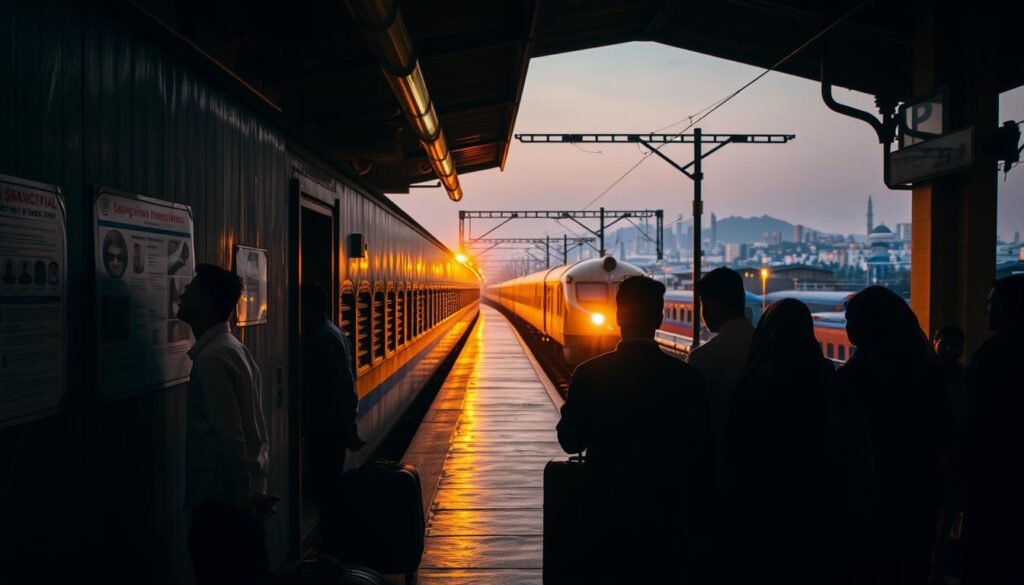
Traveling by train in India is exciting but we must stay safe. Before you board, double-check your ticket and any platform changes. Choose a reserved seat for longer trips for better comfort.
General Safety Guidelines
Plan ahead to avoid stress. Arrive early at big stations like New Delhi or Mumbai Central. Keep an eye on when trains arrive and where they’ll stop.
Know the schedules for trains that run less often. On the train, find the exits and keep important things close. Use the light in your berth at night and lock your door if you can.
Keeping Your Belongings Secure
Lock your bags with cable locks or use bags that can be locked. Carry valuable items in a money belt or in your bed area. Spread out your cash and keep a copy of your ID somewhere safe.
On busy trains, wear your backpack in front and keep your wallet or phone safe. If you see something odd, tell the TTE or the staff in the pantry.
Engaging with Local Authorities
Look for the Railway Protection Force (RPF) and Government Railway Police (GRP) at stations. They can help with lost items, security issues, and emergencies. In cities like Chennai and Jaipur, tourist police can give advice on local trips.
International visitors should have the contact info for their embassy ready. Students or workers in engineering or fieldwork should report any safety concerns to the station master or RPF. Your feedback helps make trains safer for everyone.
Exploring Indian Cuisine on the Train
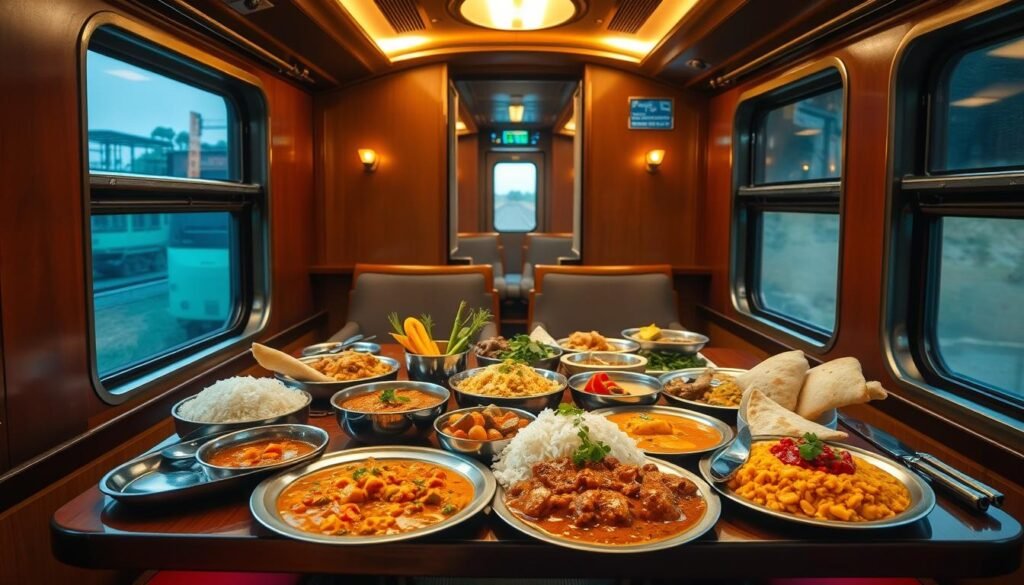
Traveling by train in India is a feast for the senses. It combines movement with delicious meals. Whether it’s a short trip or a long one, you’ll find something tasty.
Regional Dishes to Try
On the Konkan route, you’ll find fresh seafood and coconut curries. Station vendors offer hot pakoras and samosas. These snacks are best enjoyed right away.
In North India, luxury trains like Palace on Wheels serve dal, chapati, and chicken curry. These dishes reflect the traditions of Rajasthan and Agra.
Eastern journeys are all about Bengali snacks and fragrant tea. Darjeeling trips let you experience the local tea culture. In the south, try idli, dosa, and biryanis for a taste of regional flavors.
Dining Options on Trains
Many long-distance trains offer meals in the ticket price. The quality can vary, but some trains like Pune–Delhi Duronto are known for their good food. Luxury trains offer fancy dining with a focus on hospitality.
You can also pre-order food through e-catering and IRCTC partnerships. This is great for those with special dietary needs. Always check the pantry cars and approved vendors for cleanliness and quality.
Snacks and Refreshments
Station hawkers and on-board sellers have affordable snacks like vada, samosa, chai, and biryani. Vada comes in different types, each with its own taste. Tea and coffee are served in small cups from samovars.
For long trips, pack your own snacks and drinks. Use a reusable container for leftovers. Carry small notes for change, as vendors might not have exact cash. Always choose sealed or freshly cooked items for safety.
Curious travelers can learn more about Indian train food culture at Indian train food culture. Combining local flavors with scenic train journeys makes every trip memorable.
The Importance of Scenic Views
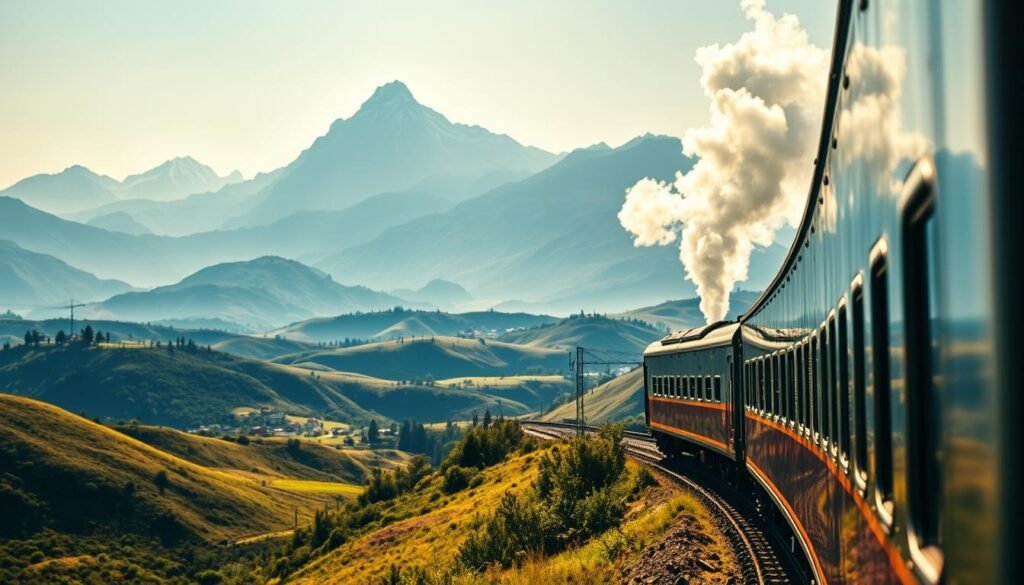
We travel by train to learn from landscapes. They shape memories and offer study material for engineers and photographers. Scenic train journeys in India pair technical marvels with living landscapes. These routes teach us about terrain, climate, and cultural context as much as they reward the eye.
Below we outline standout routes, practical photography tactics, and key heritage sites. Each item helps planners, students, and educators turn Indian railway journeys into purposeful fieldwork and vivid storytelling.
Best Train Journeys for Views
The Konkan Railway between Mumbai and Goa contrasts the Arabian Sea with the Western Ghats. Travelers pass coconut groves, over 2,000 bridges, and 92 tunnels—ideal for observing coastal geomorphology.
The Darjeeling Himalayan Railway from New Jalpaiguri to Darjeeling winds past tea gardens and the Batasia Loop. This UNESCO-listed mountain heritage line frames Kanchenjunga and preserves steam-era engineering.
Nilgiri Mountain Railway (Mettupalayam–Ooty) and the Kalka–Shimla Railway offer immersive mountain vistas, tight loops, and colonial-era bridgework. Kashmir routes crossing the Chenab Bridge showcase snow-clad peaks and major modern engineering achievements.
The Pamban Bridge on the Mandapam–Rameswaram line gives long ocean crossings and a lesson in historic sea-bridge construction. These choices rank among the best train journeys for views by combining dramatic scenery with structural interest.
Capturing the Beauty: Photography Tips
Choose window-side seats or open-door areas where permitted to frame steady compositions. Non-AC compartments provide unobstructed sightlines but bring vibration and dust: carry a polarizing filter and lens cloth.
Use fast shutter speeds to freeze motion and bracket exposures when sea meets sky. Keep ISO moderate to retain detail; boost it for dawn and dusk captures. We recommend bracketing for high-contrast scenes and keeping a small tripod or monopod for stability when allowed.
Respect privacy: ask before photographing people. Candid scenes of vendors and daily life enrich ethnographic and educational projects. For systematic studies, record GPS coordinates, time stamps, and weather notes to build datasets from Indian railway journeys.
Historical Landmarks Along the Routes
Stops on luxury services like Deccan Odyssey provide access to Ajanta and Ellora caves and Agra’s Taj Mahal—sites that combine cultural depth with railway convenience. Colonial loops such as Batasia and Pamban Bridge highlight adaptive engineering over varied terrain.
Railway heritage remains visible in steam locos on Darjeeling joyrides and the refurbished carriages of Palace on Wheels. These artifacts illustrate technological evolution and offer material for comparative studies in transport history.
We suggest pairing field notes with photography tips for train travel to produce structured, publishable records. Such combined methods benefit educators, researchers, and creative teams exploring scenic train journeys in India.
The Convenience of Train Travel
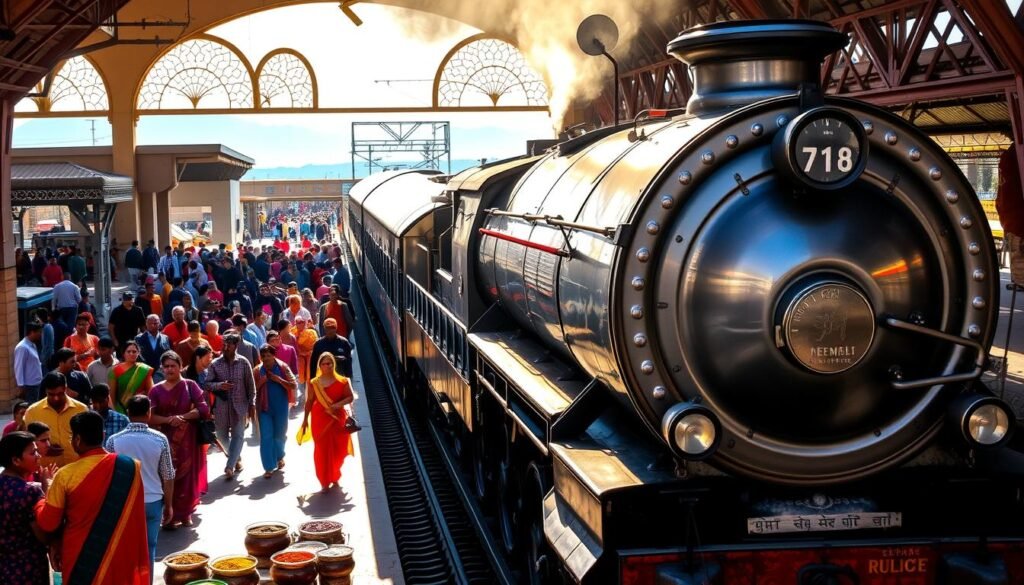
Train travel is a great mix of comfort and reach. It lets people visit places without airports and has flexible schedules. For those who work, trains can be like mobile offices.
Comparing Trains with Other Modes of Transport
Trains might be slower than planes, but they reach places planes can’t. Overnight trains like Rajdhani and Duronto cut travel time. They offer meals and reserved seats.
Traveling by sleeper train is like staying in a hotel. It saves money when you book online and choose overnight trains.
Accessibility Features on Indian Trains
Indian Railways has made trains more accessible. They have ramps, reserved areas, and help at big stations. But, accessibility changes by route and station. Always check with customer service before you go.
Heritage and toy trains keep old trains running. So, modern features are limited. Plan for help at stations if you need special assistance.
Travel Time vs. Distance
Knowing travel time and distance helps plan better. For example, the Pune–New Delhi Duronto covers 1,515 km in about 19 hours and 35 minutes. The Mumbai–Madgaon route is 581 km and takes around 11 hours and 50 minutes.
The New Jalpaiguri–Darjeeling toy train is 84 km long but takes 7 hours and 20 minutes. It’s slow because of steep hills and beautiful views. Choose your train based on what you want: fast Duronto for work, or toy trains for scenic views.
Cultural Encounters on Train Journeys
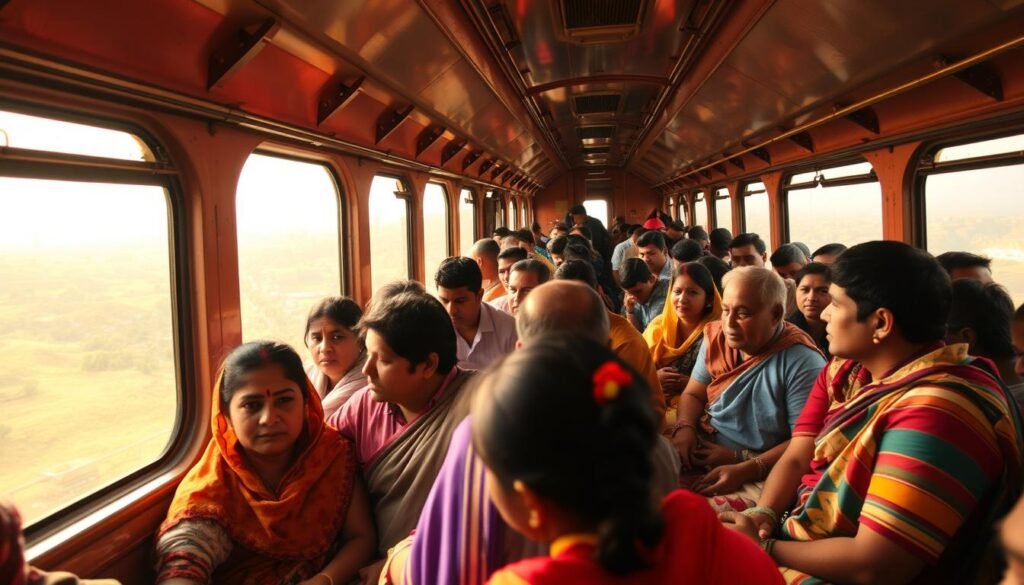
Train travel in India is more than just getting from one place to another. It’s a chance to learn about the culture and daily life of the people. Whether you’re on a long trip or a short one, you can see how people live and move.
Meeting Locals on Board
Open compartments and general coaches are great for meeting people. You can share snacks or sit together and start conversations. Remember to be respectful and ask if they’re okay with talking.
Stories from Fellow Travelers
Long trips, like the Dibrugarh–Kanniyakumari corridor, show how people spend their time. You might see card games, meals together, or even music. These moments are great for learning about people’s lives and can help improve transportation.
Cultural Festivals During Train Journeys
Festivals like Durga Puja and Diwali bring more people on trains. You’ll see vendors and celebrations at stations. These times are good for studying how crowds move and how to manage them.
For those studying or researching, train journeys are a unique chance to see how people interact. You can observe how they handle luggage, how vendors work, and how people communicate. Keep notes, take photos, and do short interviews to gather useful information.
Sustainable Travel Through Train Journeys
We see trains as a key to sustainable travel in India. They emit less CO2 than flights or cars. Plus, Indian Railways is moving to electric trains, reducing diesel use.
Slow train trips also help the environment. They let travelers learn a lot, which is great for schools and engineering groups.
Eco-Friendly Aspects of Train Travel
Trains on electric routes use less fuel and make less noise. Even old trains are now checked for their impact on the environment. Choosing trains over planes helps the planet and supports fieldwork.
Supporting Local Economies
Travelers help local businesses by buying from vendors and guides. Luxury trains and IRCTC services support places like Ajanta and Ellora. Choosing local food and tours helps local economies too.
The Future of Sustainable Travel in India
Upgrades like electrification and new bridges will make trains more appealing. They will also make travel faster and more comfortable. Mixing fast and slow trips offers the best of both worlds.
We encourage educators and engineers to work together. They can plan trips that include learning and sustainability. For more information, email info@indiavibes.today.