



On October 6, 2025, Darjeeling, known for its beauty, was hit by a severe disaster. Heavy rain caused floods and landslides, making it one of the worst events in its history. The steep slopes and red soil, already at risk, were quickly washed away by the water.
Human actions made things worse, making the area more prone to fast water flow. Now, the people of Darjeeling face a tough recovery. They need help and ways to be ready for future disasters.
Overview of the Disaster
The Darjeeling floods and landslides were a devastating disaster. They were caused by heavy and record-breaking rain. This rain hit the region hard, causing a lot of damage.
In places like Mirik, the floods were sudden and severe. They caused a lot of trouble for the people living there. The floods also put a lot of pressure on the local infrastructure, which was not ready for such a disaster.
This disaster showed us how important a good emergency response is. Looking at the damage, it’s clear that many homes were destroyed. The fast-moving water and debris changed lives forever.
The disaster tested how strong the community is. It showed what works and what doesn’t in emergency plans. We need to keep talking and working on being ready for future disasters.
Causes of the Darjeeling Floods
Understanding the causes of the Darjeeling floods is key to preventing future disasters. The recent floods were caused by unusual weather and climate change. This led to heavy rain, making the soil too wet and raising the flood risk.
Human actions have also played a big role. Deforestation has harmed local ecosystems, and rapid urban growth has damaged natural drainage. These changes have increased the risk of flooding. Looking into the weather that caused the floods shows us bigger climate challenges in West Bengal and the Himalayas.
Impact on Local Communities
The recent flooding in Darjeeling has caused a big problem for local communities. As the water goes down, it’s clear that many families have lost their homes. This has upset their daily lives and broken the community’s bond.
The emotional pain of losing a home is often overlooked but is very real. These communities are strong, but facing this challenge is very hard.
Displacement of Residents
In Darjeeling, many people have lost their homes. Thousands are now living in temporary shelters or with family. The idea of home is now hard to find.
This situation makes people feel vulnerable. It shows how much the disaster has affected the community. It’s important to help these families quickly so they can get back to normal.
Loss of Livelihoods
But the problem goes beyond just losing a home. Many people rely on farming for their income, but their land is now useless. The tourism industry, which is also key to the economy, has been hit hard by the damage.
The loss of jobs and income is a big blow to the community. It’s clear that we need to help these people rebuild their lives and find new ways to make a living.
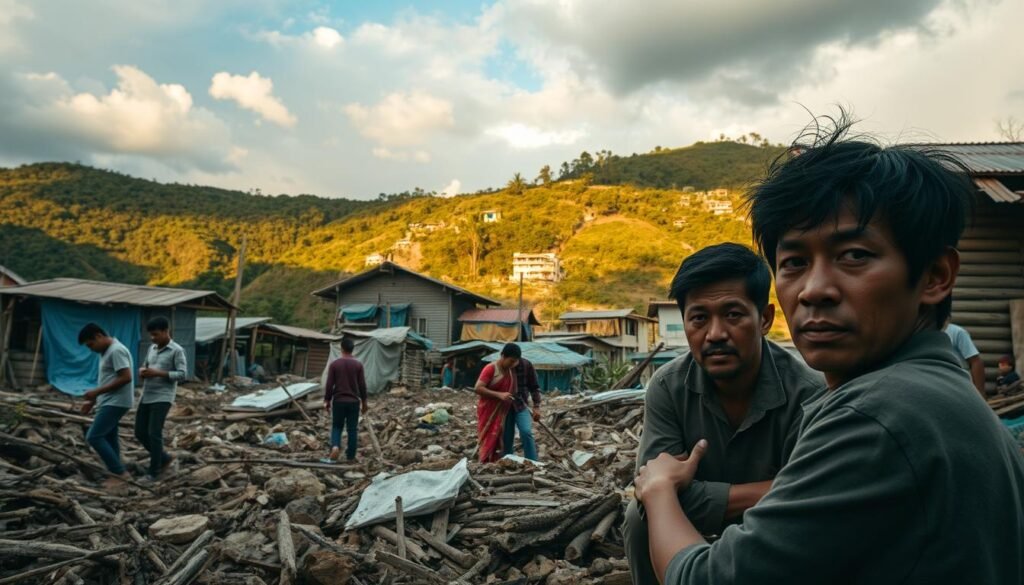
Darjeeling Floods and Landslides
The recent floods and landslides in Darjeeling are a harsh reminder of the area’s vulnerability. The disaster was worsened by torrential rains and the geographical challenges of the region. Steep slopes and fragile soil make landslides a big risk, blocking roads and burying buildings.
Extreme weather and the area’s unique shape pose big dangers to local people. Even light rain can cause big floods, breaking down drainage systems. This leaves communities cut off, making rescue and recovery hard. It’s clear that Darjeeling needs better infrastructure and disaster plans.
Emergency Response Efforts
The tragic events in Darjeeling led to a quick and strong emergency response. Both government agencies and NGOs showed their dedication. They worked fast to help those in need.
Government actions were key in this effort. They mobilized emergency services to provide immediate help. This was critical for those in dire situations.
Government Initiatives
Local and central government agencies worked together well. They set up relief measures and sent teams for search and rescue. They also built temporary shelters for those affected.
Their goal was to make the affected areas safe and stable again. This showed their commitment to disaster management.
NGO Involvement
NGOs played a big role in the disaster’s aftermath. They worked with community leaders to provide food, water, and medical help. Their quick action helped meet immediate needs.
It also brought people together. This showed how important working together is in times of disaster.
Infrastructure Damage
The recent floods and landslides have caused a lot of damage to the infrastructure. This has hit local communities hard, making it hard for them to get the services they need. The Dudhey Iron bridge, a key link for many, collapsed, blocking transport and emergency supplies.
Collapse of Dudhey Iron Bridge
The Dudhey Iron bridge was a key route for people and emergency teams. Its collapse has cut off many communities, making rescue work harder. Fixing this bridge is key to keeping people safe and connected.
Destruction of Roads
Not just the bridge, but many roads were also destroyed. This has made it hard to move aid and rescue teams. The damage shows we need stronger infrastructure to face natural disasters.
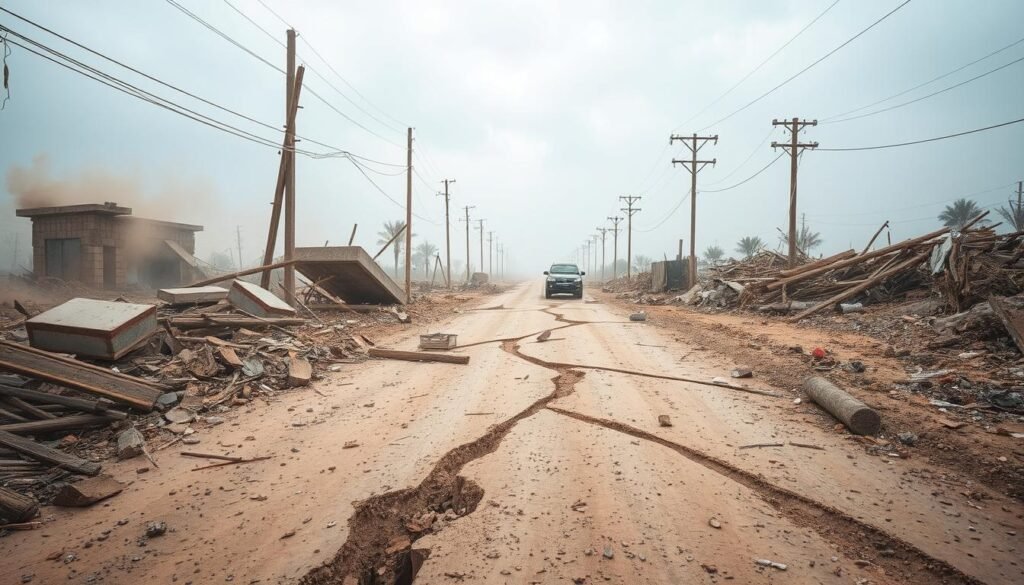
Environmental Consequences
The recent flooding disaster has caused a lot of environmental harm. This harm is mainly due to the vulnerability of local ecosystems. The floods showed how red soil is at risk, leading to a lot of soil erosion.
Red Soil Vulnerability
In Darjeeling’s foothills, red soil faces big challenges. This soil, rich in iron, becomes unstable when wet. The floods made the soil even more unstable, causing a lot of erosion.
This erosion led to the loss of topsoil and nutrients needed for plants. The damage affects not just farming but also nearby water bodies. Soil quality degradation harms local ecosystems, affecting many species’ habitats.
It’s important to understand and tackle red soil vulnerability for the region’s future. Conservation efforts and smart land-use planning can help reduce environmental harm.
Mirik: A Town Severely Affected
Mirik town is famous for its stunning tea gardens and peaceful views. But, the recent floods hit it hard. Many homes were damaged, leaving families without a place to stay.
The emotional pain is huge. People are trying to cope with the loss and find a way to move forward.
Local shops and businesses are closed due to the damage. This has hurt the town’s economy. The usual buzz of Mirik is missing, leaving a quiet and empty feeling.
But, the town is not giving up. People are working together to rebuild. Volunteer groups are helping, showing the town’s strength and unity.
Local leaders are key in this effort. They are organizing and encouraging everyone to help. This is a big step towards healing and recovery.
Weather Patterns Leading to the Disaster
The recent flooding in Darjeeling was caused by weather patterns. Rainfall analysis shows big changes from the norm. These changes made the situation worse.
The monsoon season usually brings a lot of rain. But the rain before October 6th was even more intense. Looking at these patterns helps us see why forecasts failed to predict the sudden rain.
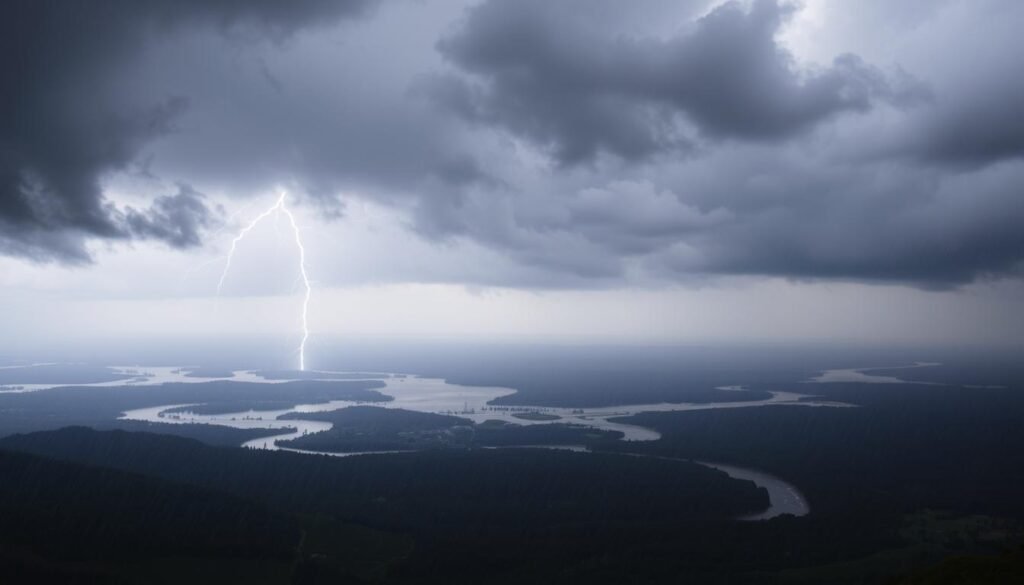
Looking back, we see how unexpected weather led to disasters. This helps us understand why monsoons are becoming more unpredictable. It also guides us to make better weather forecasts in the future.
Comparisons to Previous Flooding Events
Looking back at past floods in Darjeeling gives us key insights. By comparing recent events to past ones, we see how severe they were. Each flood has its own challenges, but some patterns keep showing up.
Records show that Darjeeling has faced similar problems before. Heavy rains, its geography, and poor drainage systems have all played a part. By studying these, we learn what causes floods and why they’re so damaging. This helps local leaders make better plans for the future.
Comparing floods helps us recover faster and build stronger communities. By learning from past disasters, we can make better choices for the future. This way, we can all work together to stay safe and resilient.
Long-term Recovery Plans
Creating effective recovery plans for Darjeeling’s future is key after the floods. It’s important to work together, with both government and NGOs. This way, we can rebuild better and make communities stronger.
Supporting mental health is a big part of these plans. It helps people deal with the disaster’s effects. We also need to build homes that can stand up to bad weather. Workshops will teach people how to build safer and more environmentally friendly homes.
Our goal is to make Darjeeling a sustainable and resilient place. We want it to be ready for any future challenges. This way, the community can not only recover but also grow stronger over time.
Community Resilience Programs
After the floods in Darjeeling, it’s key to get local communities involved in rebuilding. Community resilience programs are vital, focusing on disaster preparedness. They teach locals how to respond effectively in emergencies.
Many local programs are now promoting disaster preparedness and sustainable farming. These efforts help residents recover and become more resilient. They also build a culture of solidarity and innovation.
Local emergency teams are being set up to help quickly during crises. This unity strengthens community resilience, protecting lives and properties.
Role of the Media in Reporting the Floods
The floods and landslides in Darjeeling showed how important media is in crisis times. Journalists had to share news quickly and accurately, even in tough conditions. Their work helped bring the struggles of those affected to everyone’s attention.
Eyewitness Accounts
Personal stories from those who experienced the disaster were key. They gave a deeper look into the situation than just numbers could. These stories helped people understand the real challenges faced by locals.
They also sparked support for helping those in need. The emotional stories behind these accounts often led to more help for those affected.
In today’s fast-paced world, journalists have a big job. They must share news fast but also make sure it’s true. Their work helps us understand and support those who are struggling.
Global Attention on West Bengal Floods
The recent floods in Darjeeling have caught the world’s eye, highlighting the West Bengal disaster. Humanitarian aid efforts have skyrocketed as groups around the globe stepped up to help. This shows how vital teamwork is in disaster relief and recovery.
Thanks to social media, news about the flood spread fast. This mobilized people and groups to help in many ways. It proves how technology can lead to quick and effective humanitarian aid, showing its power in times of crisis.
Future Preparedness Strategies
Preparing for future disasters in Darjeeling needs a solid plan. It focuses on improving infrastructure and educating the community. These steps can make the area more ready for floods and landslides.
Infrastructure Improvements
Building flood-resistant homes and better drainage systems is key. These upgrades help keep water away during heavy rains. This reduces damage to buildings and public places.
Smart urban planning is also important. It helps make the area stronger against bad weather.
Community Education and Awareness
Teaching people how to respond to disasters is essential. Education helps spread the word about safety and emergency plans. This makes people ready to act fast when needed.
Workshops and drills are great for training. They teach locals how to handle emergencies. Knowing the risks of flooding helps everyone stay prepared.

Lessons Learned from the Disaster
Looking back at the recent floods in Darjeeling, we can learn a lot. We saw how important local efforts are compared to outside help. Local knowledge is key in responding to emergencies effectively.
Community involvement was a big help in providing immediate relief. It showed us how important it is to have people involved in disaster response.
Now, we need to look at our disaster management plans and see where we can improve. We aim to make our systems better so we can recover faster in the future. This way, we can make our communities more resilient against disasters.
Conclusion
The recent Darjeeling floods and landslides remind us of nature’s power and our duty to act quickly and with care. We see the damage to local communities and buildings. Yet, we also see a way forward, one that focuses on being strong together.
It’s key for everyone to work together to recover. We need to support both immediate help and long-term plans. This way, we can rebuild and grow stronger.
After this disaster, we can rebuild more than just buildings. We can also strengthen the community bond. Helping to make people aware and prepared is very important.
This will help the people of West Bengal face future challenges better. The lessons from the Darjeeling floods should guide us to build stronger and more united communities.
In the end, though the damage is great, it can also unite us in building a stronger future. By working together on sustainable plans, we honor those affected. And we create a better world for all to come.