



The arrival of Cyclone Sampa has prompted urgent alerts from the India Meteorological Department (IMD). These alerts raise significant concerns across the eastern coastal regions. They serve not only as warnings but as calls to action for preparation and vigilance.
The cyclone’s trajectory and intensity could lead to considerable impacts. It’s important for those in affected regions to stay informed and act. This will help them prepare for the storm’s arrival.
Overview of Cyclone Sampa
Cyclone Sampa is a big weather event in the Bay of Bengal. It forms because of the warm ocean waters in this area. This warmth helps the storm grow fast, turning it into a strong storm quickly.
The Indian Meteorological Department (IMD) tracks Cyclone Sampa closely. They help us understand where it’s going and what it might do. This info helps us get ready for any dangers and see how it might affect the coast.
Current Status of Cyclone Sampa
Cyclone Sampa has become a severe cyclonic storm. Its wind speeds are causing worry for many. The situation can change quickly, so updates from weather agencies are very important.
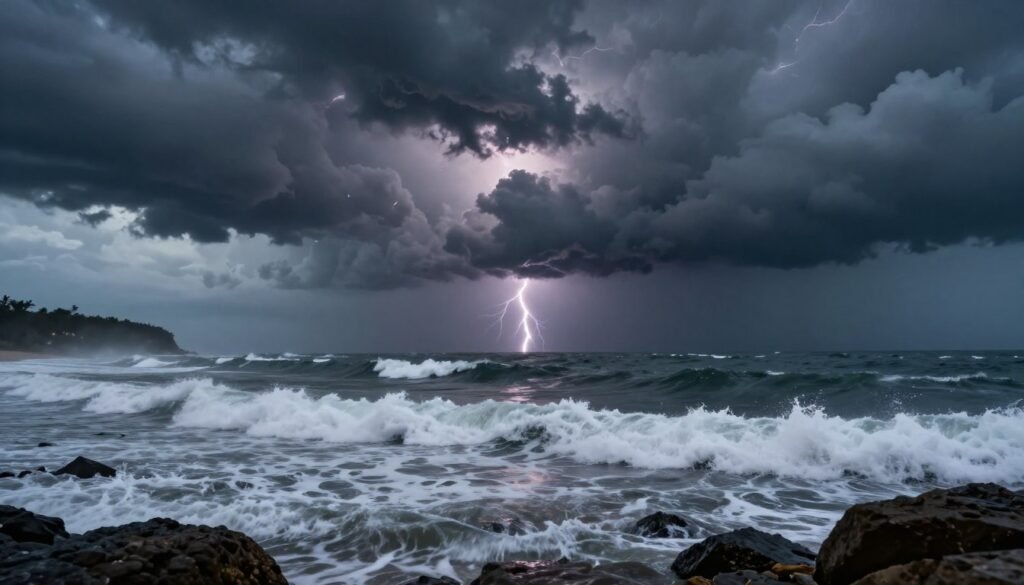
Emergency teams are ready to act as Cyclone Sampa’s path is being watched closely. They use data to improve safety plans. This helps people decide if they should leave or stay safe.
We suggest that those affected stay tuned to news and government alerts. This way, they can handle the crisis better.
Impact on Eastern Coastal Regions
The eastern coastal regions will face a big challenge from Cyclone Sampa. Communities are getting ready for strong winds and lots of rain. These could harm people and things.
There’s a big risk of flooding and storm surges. This could cause landslides and damage buildings and roads.
Local jobs might be lost because of the storm. Fishermen can’t go out, and farmers might lose their crops. The storm’s effects will be felt for a long time.
Cyclone Sampa India: What to Expect
Cyclone Sampa is a big deal for people living on India’s eastern coast. We can get ready for the weather with good cyclone predictions. Knowing where Cyclone Sampa will go helps us get ready for what’s coming.
Path and Predictions
Cyclone Sampa is moving northwest towards India. Experts use satellites and models to predict its path. Knowing where it might hit helps keep people safe.
Being ready is key. Officials can plan evacuations and use resources wisely with good predictions.
Potential Impact on Residents
People are getting ready for Cyclone Sampa. It could bring heavy rain, strong winds, and storm surges. These could disrupt power, water, and services.
Knowing about Cyclone Sampa helps reduce fear. It makes evacuations smoother. Keeping in touch with updates is very important.
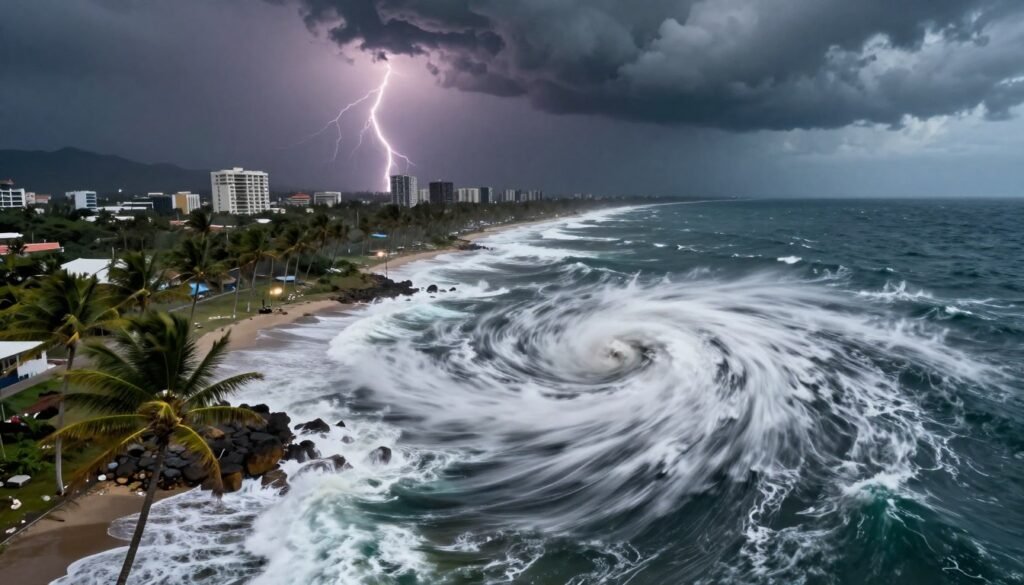
Historical Context of Cyclones in the Bay of Bengal
Looking at historical cyclones in the Bay of Bengal helps us understand their patterns. This area, with a long maritime history, has seen many storms. These events have made communities stronger and better at responding to disasters.
Recap of Recent Cyclones
Cyclones like Phailin and Fani show how powerful these storms can be. The damage from these storms highlighted the need for better emergency plans. Each cyclone teaches us about community weaknesses and how to improve.
Lessons Learned from Previous Storms
Reflecting on past cyclones, we see the value of studying climate resilience. These storms have pushed communities to get better at preparing. They have learned from past disasters, making them stronger today.
IMD Updates and Alerts
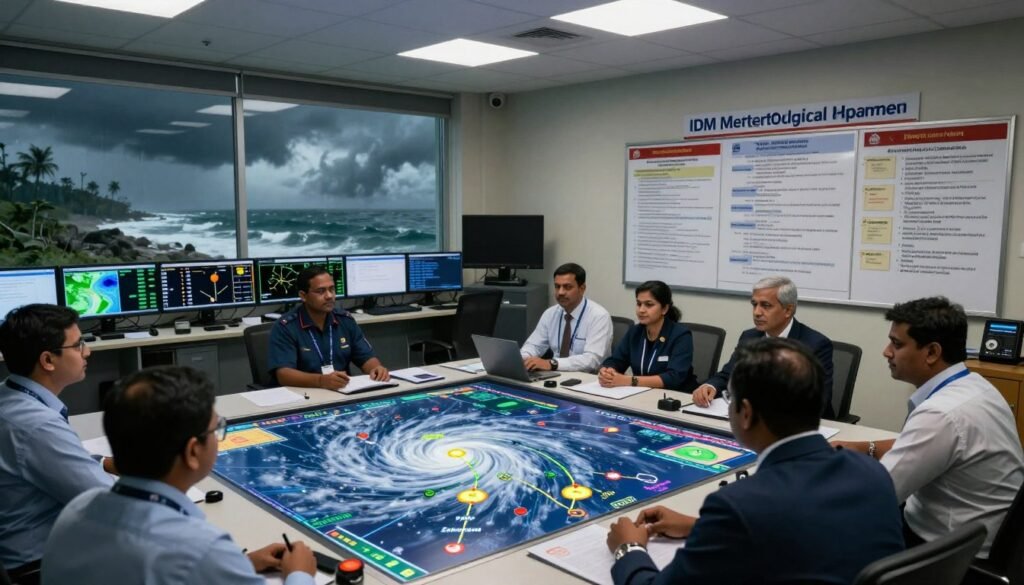
The Indian Meteorological Department (IMD) is key in watching and sharing cyclone alerts for areas hit by Cyclone Sampa. They send out important IMD updates that help people make safe choices. It’s smart to check these updates often to know about the cyclone’s progress and its effects.
IMD’s real-time data helps both people and leaders. They give out detailed forecasts and warnings. These include wind speeds and rain amounts. We suggest everyone checks IMD sites for safety tips and where to find shelters.
Coastal Weather in India During Cyclone Season
Knowing the coastal weather in India during cyclone season is key for safety. This time sees clear cyclone patterns that impact communities and people. Rainfall and strong winds are common, posing dangers.
Typical Patterns to Watch
The cyclone season brings changes in temperature and pressure along the coast. Watching these changes helps us predict severe weather. High humidity and wind shifts signal a cyclone’s arrival, calling for quick action and preparation.
Safety Guidelines for Coastal Regions
Coastal area residents and visitors must focus on safety during cyclone season. Keep an emergency kit with food, water, meds, and documents. Stay updated with local weather and follow evacuation orders to stay safe. Knowing your area’s storm risks helps protect your property.
Community Preparedness for Cyclone Sampa
As Cyclone Sampa gets closer, getting ready as a community is key. Local efforts help people know what to do and where to go. This makes a big difference when emergencies happen.
Good communication and plans help communities stay strong. They are ready to handle severe weather.
Evacuation Plans
Having clear evacuation plans is very important. Drills help people know how to leave quickly and safely. This makes evacuations smoother.
Sharing info through local groups helps everyone know where to go. This teamwork makes evacuations better.
Essential Supplies and Resources
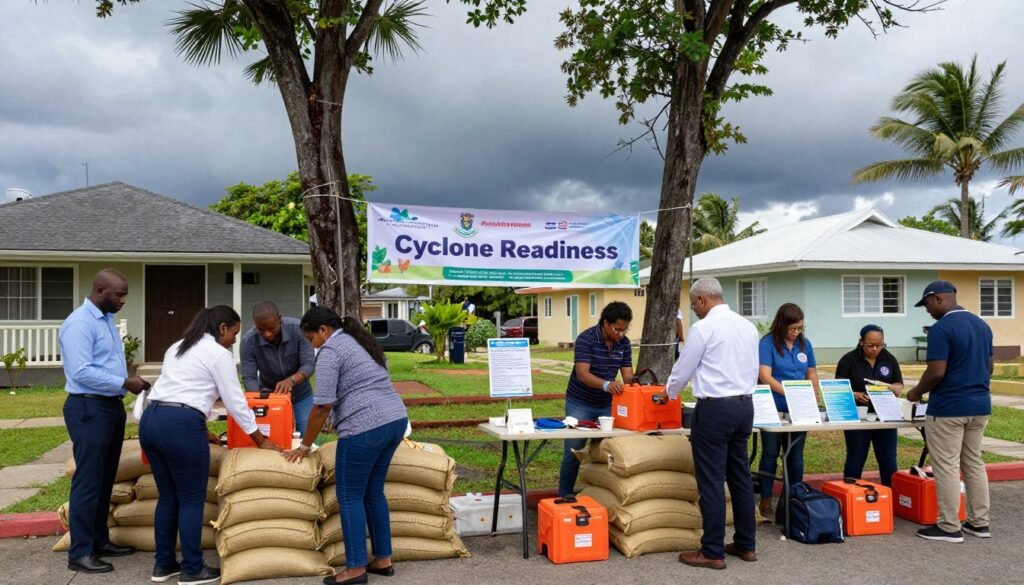
Having the right supplies is important for being ready. People should make kits with water, food, first-aid, and important papers.
Using local places like community centers for these items helps everyone. This way, we can all be ready together.
Government Response to Cyclone Sampa
The government response to Cyclone Sampa is key to lessening the disaster’s effects. Local and national authorities are working hard to keep everyone safe. They are setting up shelters for evacuees, giving them a safe place to stay.
Emergency teams are helping people move to safer places. It’s important to tell everyone what to do and when. They also plan to make buildings stronger to face future storms.
The government wants to protect lives and homes. They also want to teach communities how to get ready for disasters.
Rebuilding Efforts Post-Cyclones
After Cyclone Sampa, communities have a big challenge ahead. They need to work together to rebuild. This includes local people, government, and NGOs. It’s important to use sustainable methods in the rebuilding.
By focusing on *resilience*, we can build stronger structures. These structures can handle future storms better. They also help areas recover faster.
Investing in community resources is key. It helps create a strong support system during recovery. When locals help plan and rebuild, they feel more connected. This ensures each community’s needs are met.
Also, using sustainable practices shows we’ve learned from the past. We’re getting better at preparing for climate events. This approach helps build strong, thriving communities for the future.
Meteorological Analysis of Cyclone Sampa
Understanding Cyclone Sampa is key to knowing its impact. Looking at the weather and ocean temperatures helps us see what makes it strong. Knowing how cyclones form helps us get ready and respond better.
Causes and Formation of Cyclones
Cyclones form when warm ocean waters meet air pressure differences. Warm waters give cyclones the energy they need. As warm air rises, it makes a low-pressure area.
Air then moves towards this area, making the cyclone stronger. This process is complex but knowing it helps us predict and prepare for cyclones.
Media Coverage and Public Awareness
The media plays a big role in Cyclone Sampa. News like NDTV, Times of India, and local stations share updates. They help people in coastal areas know about the cyclone.
News groups use TV, radio, and social media to reach everyone. They make hard weather info easy to understand. This helps people get ready for disasters.
Stories and talks with experts help people see how Cyclone Sampa can affect them. People start to take action and follow safety rules. The media and public working together is key to handling emergencies well.
Conclusion
Cyclone Sampa is coming to the eastern coast. It’s very important for everyone to be ready. Working together, we can protect our homes and lives.
Learning about cyclones helps us stay safe. Sharing what we know makes our community stronger. This way, we can all face cyclones better.
Let’s work together to be ready for disasters. Our unity will help us manage disasters better. We can make a safer future for everyone.