



Starting October 8, India will see a big leap in digital payments with biometric authentication for UPI. This new method uses Aadhaar authentication UPI to boost security and make payments easier. It’s a big step towards safer and more efficient financial dealings in India.
Introduction to Biometric UPI Payments
Biometric UPI payments in India mark a big step forward in secure payment methods. They use biometric authentication with UPI technology. This lets users pay with their fingerprints or other biometric data.
This change means less use of old passwords and PINs. These can often be a security risk.
As digital payments get better, biometric UPI payments bring more ease and safety. They make paying easier and protect against fraud better. Users can now trust that their payments are safe thanks to this advanced tech.
Overview of UPI Payments in India
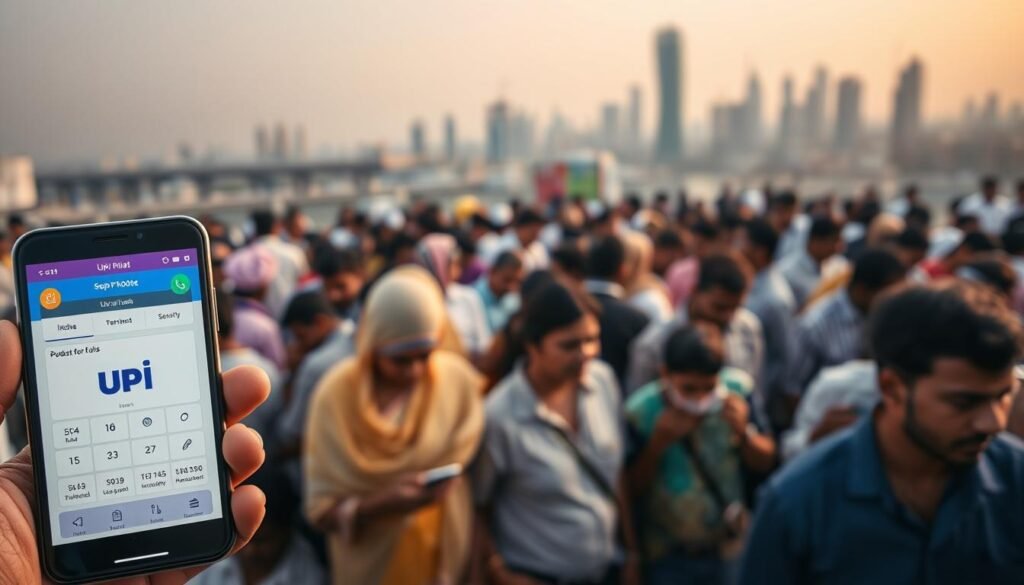
The UPI payment system has changed how we do digital transactions in India. It was launched in 2016 and made sending money and paying bills easy. With more people using smartphones and the internet, UPI has grown fast.
Google Pay, PhonePe, and Paytm are leading the way in digital wallets. They help millions make cashless payments without hassle.
There’s been a big increase in digital payments thanks to UPI. As more people use cashless options, the growth in digital payments keeps going up. For many, UPI is now the go-to for daily transactions, showing how digital payments are changing our lives.
What is Biometric Authentication?
Biometric authentication is a new way to keep things safe. It uses special features like fingerprints, iris scans, or facial recognition to check who you are. This is different from old ways like passwords or PINs that can be forgotten.
Biometric systems are more secure because they use unique biological traits. This makes them accurate and less likely to be tricked by fake identities.
Biometric authentication is used in many areas, like banking, healthcare, and personal devices. Thanks to technology, these systems work well and are trustworthy. Knowing about biometric authentication helps us deal with today’s security issues.
Significance of Biometric UPI Payments
The significance of biometric payments in India is growing fast. Security is now a big deal for both people and businesses. Digital transactions are on the rise, and keeping them safe is key.
Biometric UPI payments use unique features like fingerprints or facial scans to verify users. This makes them safer than old PIN-based systems. It cuts down fraud risks.
As UPI keeps getting better, adding biometric tech is a big step forward. It makes payments more reliable and trustworthy. This trust could make more people use digital payments, helping them grow across India.
How Biometric Authentication Works
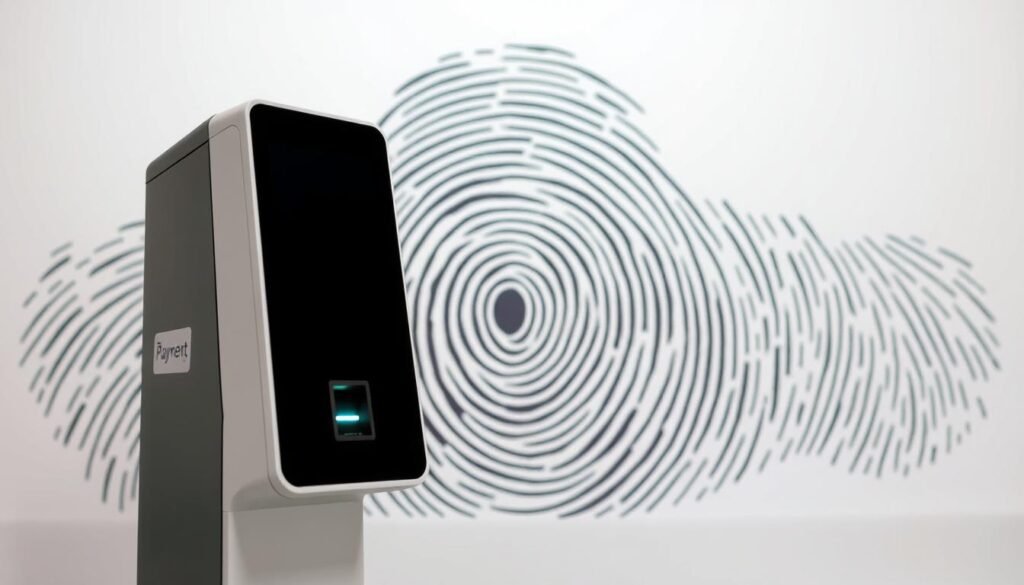
Biometric technology in UPI payments has made transactions much safer. It uses fingerprint scanning to verify identities. This method is very accurate because it captures unique fingerprint patterns.
Process of Fingerprint Scanning
Special hardware scans your fingerprint and turns it into a digital template. This template is kept safe for quick checks during payments. Because fingerprints are unique, this method is very good for checking who you are.
Aadhaar Authentication Integration
Aadhaar makes biometric checks even better. After scanning your fingerprint, it’s checked against your Aadhaar data. This uses government databases to confirm your identity. It makes UPI payments very secure and trustworthy.
Security Benefits of Biometric UPI Payments
Biometric UPI payments offer big security wins, mainly in stopping fraud. They use unique biometric data like fingerprints or facial scans. This makes it hard for anyone else to access your account.
With biometric authentication, only the real owner can make payments. Places that use this tech see fewer scams. For example, countries with these systems have seen a big drop in identity theft.
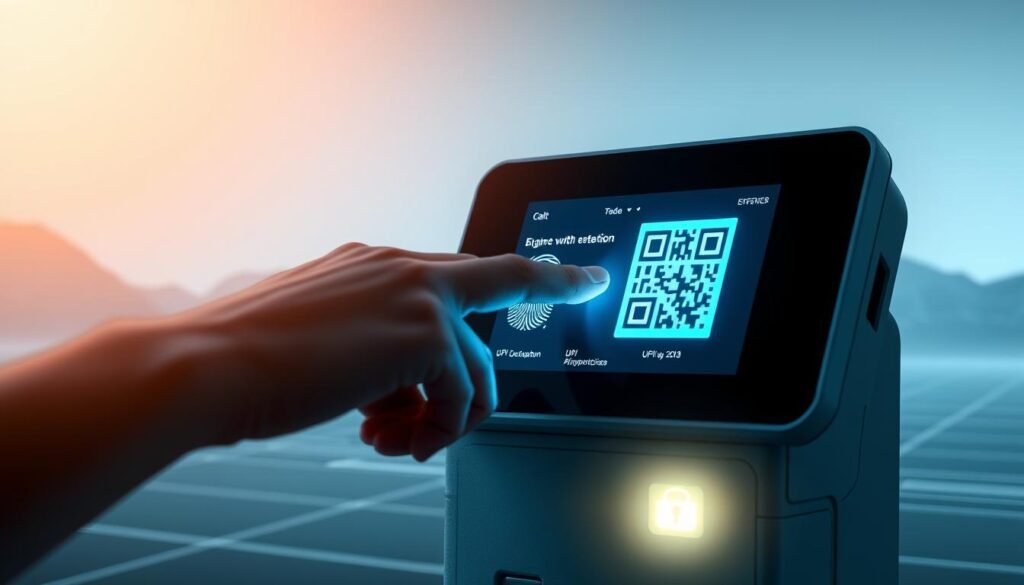
Switching to biometric systems is a smart move to protect digital money. It makes paying easier and keeps your financial info safe.
Comparison with Traditional Payment Methods
Digital transactions are changing fast. A look at traditional payment methods shows big gaps in how easy and safe they are. Cash, credit cards, and digital payments with passwords often face issues like theft and fraud. These problems make shopping online or in stores less enjoyable for many.
Challenges of Current Systems
Traditional payment methods struggle with fraud. Cash can get stolen, and cards can be copied or hacked. Passwords, though they seem safe, can be weak or fall victim to phishing. These problems make people hesitant to use digital payments.
Advantages of Biometric Technology
Biometric systems, like fingerprint or facial recognition, offer big benefits. They make paying easier and get rid of the need for passwords. Plus, biometric data is unique to each person, making it hard for others to access. This change not only solves old problems but also looks to a future where paying is smoother and safer.
Implementation Timeline for Biometric UPI Payments
The timeline for biometric UPI payments marks important steps before the big launch on October 8. It includes several phases to make the switch smooth for everyone. Pilot projects started months early to test systems and get feedback.
Getting regulatory approvals was key to meet national standards. This involved testing different biometric methods like fingerprints and facial scans. Early feedback helped improve the system and fix any issues before it goes live across the country.
A detailed plan is vital for a smooth transition to biometric payments. It’s important in today’s fast-changing digital world, where ease and safety are top priorities.
Impact on the Indian Digital Payment Landscape
The introduction of biometric UPI payments is a big step for India’s digital payment sector. It’s expected to cut down fraud rates a lot. Users will feel more secure, leading to more people using digital payments.
Rural and underserved areas will see big benefits. Biometric authentication makes digital financial services more accessible to them.
Experts think these changes could change the UPI future. Biometric payments make transactions easy and secure. This could lead to faster growth and more people using digital payments in India.
User Experience with Biometric UPI
An effective user experience is key for biometric UPI payments. As technology grows, focusing on ease of use is vital. Biometric authentication makes transactions fast and secure, saving time compared to old methods.
This feature helps both tech experts and those new to digital payments. It improves the overall experience with biometric payments.
Ease of Use
The goal of biometric UPI payments is to be simple. The interfaces are easy to use, needing just a finger touch or a quick glance. This makes payments smooth and quick, boosting trust in digital payments.
Accessibility for All Users
Biometric UPI includes features for everyone, making financial services accessible. It helps those with disabilities or who are new to tech. This inclusivity gives everyone a chance to use digital financial services.
Privacy Concerns and Data Security
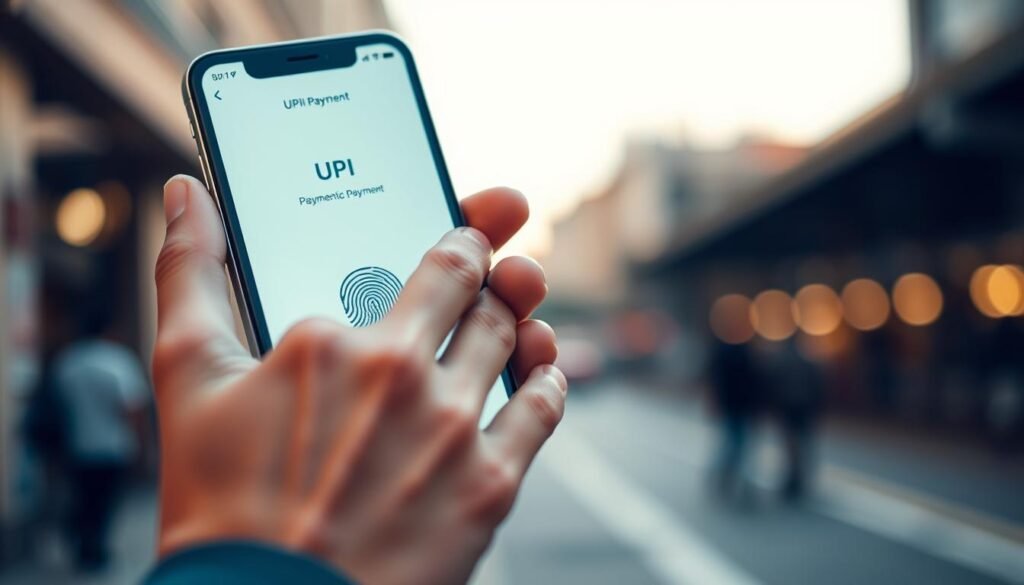
The use of biometric UPI payments brings up big privacy concerns. People worry about how their biometric data is handled and kept safe. With this new payment method, it’s key to tackle these risks head-on.
Storing biometric data, like fingerprints or facial scans, raises fears of misuse or unauthorized access. This makes data security UPI a critical topic to discuss.
To protect user privacy, we need strong rules and standards for biometric data. The government and banks must put in place solid security steps. This way, they can stop data breaches that could harm sensitive info.
Using advanced encryption is also key to keeping biometric transactions safe. It ensures that users’ data stays private.
Also, spreading the word about these security steps can build trust in biometric payments. When people know their data is safe, they’re more likely to use biometric UPI. As this tech grows, keeping users informed about privacy measures is vital for its success.
Conclusion
Biometric authentication for UPI payments is a big step forward in India’s digital finance world. It makes transactions safer and easier for everyone. This technology uses fingerprint scans and Aadhaar to protect your data.
The future of UPI in India looks bright. These new features aim to make payments simpler and safer. They help fight against data theft and identity fraud.
Biometric UPI payments are changing the game for digital payments in India. They promise a future where online transactions are both secure and easy to use. As technology improves, so will our experience with digital payments.