



Welcome to an exploration of Bihar’s ancient history. Here, Nalanda University and Bodh Gaya meet, showing a deep legacy. These sites are key to Bihar’s culture, blending spirituality and learning.
We’ll travel back in time. Nalanda University was a hub of education and Buddhist thought. Bodh Gaya, on the other hand, marks the start of Buddhism. Let’s explore how these places have shaped our view of spirituality and history.
The Historical Significance of Nalanda University
Nalanda University is a key part of history, known for its knowledge and cultural exchange. It was founded in the 5th century and became a top place for learning. Scholars from everywhere came to study subjects like philosophy and ethics.
Overview of Nalanda University
Nalanda University was a pioneer in education, setting high standards. Scholars like Xuanzang traveled far to share and discuss knowledge. This created a culture of learning and debate.
Contributions to Education and Culture
Nalanda University’s impact on education and culture was huge. It taught many subjects, enriching the cultural scene. Students made big strides in science, math, and literature.
Legends and Historical Figures Associated with Nalanda
Aryabhata, a famous mathematician, is a highlight of Nalanda. His work in math and astronomy showed Nalanda’s excellence. Legends of such figures highlight Nalanda’s role in shaping thought.
Exploring Bodh Gaya’s Role in Bihar Ancient History
Bodh Gaya is a key spot in Buddhism’s history. It’s where Siddhartha Gautama found enlightenment under the Bodhi tree. This event started a spiritual movement that affects the world today.
The area around Bodh Gaya is deeply connected to Buddhist practices. It draws both pilgrims and scholars.
Foundations of Buddhism in Bodh Gaya
Bodh Gaya is where Buddhist philosophy first began. This site is very important because it holds the heart of Buddha’s teachings. The calm and spiritual energy here encourages meditation and thought.
The Mahabodhi Temple and Its Importance
The Mahabodhi Temple is a symbol of enlightenment and faith. It’s a UNESCO World Heritage Site, known for its beautiful ancient architecture. It combines beauty with spiritual depth.
As a key monument in Bodh Gaya, the Mahabodhi Temple attracts many visitors. They come seeking a link to Buddha’s original teachings. This site not only keeps history alive but also builds a community of believers.
The Magadh Region: A Cultural Hub
The Magadh region has always been a cultural hotspot. It played a big role in India’s history. Ancient civilizations made it a key place for politics and learning.
The Maurya and Gupta empires left a lasting mark. Their influence shapes the area’s society today.
Historical Overview of Magadh
Magadh’s history is rich and ancient. It was more than just a place; it was a hub of knowledge and spirituality. Cultural exchanges here led to big leaps in governance, philosophy, and the arts.
The rise of Buddhism was a turning point. Magadh was where Buddha’s teachings took root.
Famous Sites in the Magadh Region
Some sites in Magadh are truly special:
- Rajgir: An ancient city that was a capital for many dynasties. It shows the royal and Buddhist history.
- Nalanda: Known for centuries as a key learning center. It’s a marvel of Buddhist architecture.
- Bodh Gaya: Where Buddha found enlightenment. It’s a symbol of Buddhist faith and philosophy.
Spiritual Pathways from Nalanda to Bodh Gaya
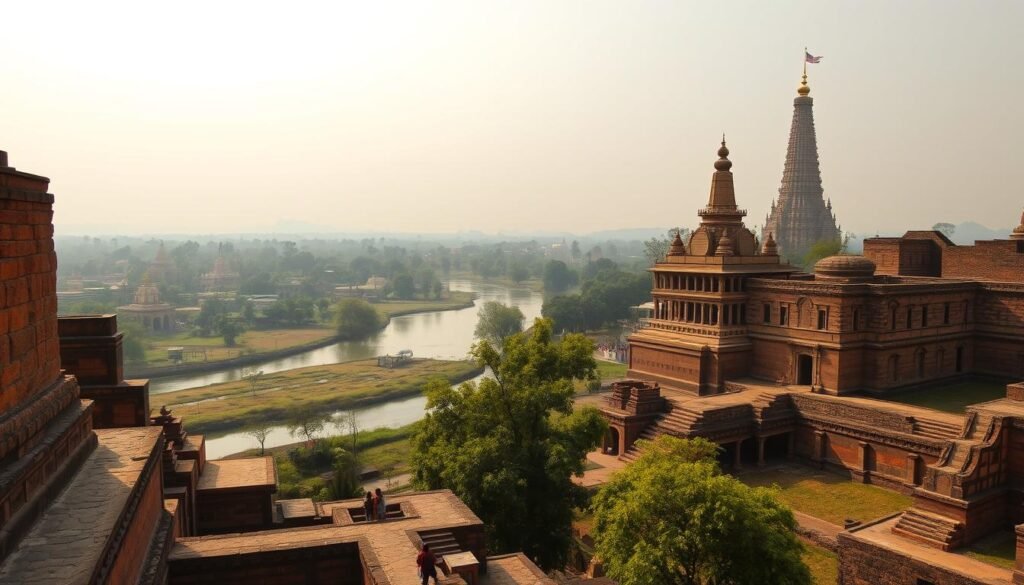
The paths from Nalanda to Bodh Gaya are a deep journey for those seeking enlightenment. They pass through a land filled with history and spirituality. This route attracts pilgrims who want to explore sites that remind them of ancient wisdom.
Every step on this path is filled with the stories of those who came before. It adds a special meaning to the journey.
The Journey of Enlightenment
Each pilgrim’s journey is a personal quest for understanding and growth. It’s not just about moving from one place to another. It’s about changing from within.
As people walk, they connect with their thoughts and feelings. They find clarity and inspiration in nature’s beauty. This path connects the learning at Nalanda with the spiritual awakening at Bodh Gaya.
Sacred Sites Along the Route
Along the way, many sacred sites offer a chance for reflection and reverence. These places, like ancient monasteries, hold the spiritual energy of many seekers. They are part of the rich history of Buddhism.
Visiting these sites deepens one’s connection to the teachings from this area. Some notable places include:
- Ancient monasteries scattered through the hills, embodying centuries of learning and spiritual practice.
- Temples that celebrate the rich traditions of Buddhism, drawing visitors from all over the world.
- Sacred trees and natural formations believed to hold special significance, enriching the spiritual atmosphere.
Architectural Marvels of Nalanda and Bodh Gaya
The buildings in Nalanda and Bodh Gaya show a rich history that amazes architects and historians. Nalanda’s architecture is unique, showing how ancient builders made big monasteries. The Mahabodhi design shows the deep spiritual meaning of Buddhism. Looking at these buildings, we learn a lot about their cultural value.
Unique Features of Nalanda’s Architecture
Nalanda University was a center of learning in ancient India. It has amazing architecture. Key features include:
- Intricate Carvings: The detailed stone carvings show the skill of the time.
- Vast Monastic Complexes: These places were for meditation, study, and living together.
- Symmetrical Layouts: The buildings were arranged to help learning.
The Design and Structure of Mahabodhi Temple
The Mahabodhi Temple is a huge symbol of enlightenment. It shows great design. Some key points are:
- Stupas and Towers: The tall spire shows the goal of reaching the heavens.
- Decorative Elements: Symbols like the lotus add to its meaning.
- Red Brick and Stone Construction: These materials make the temple strong and timeless.
The Pilgrimage Experience: A Journey of Faith
The journey from Nalanda to Bodh Gaya is a powerful symbol of Buddhist faith. It’s not just a physical path but a spiritual awakening. It attracts many today who seek to connect with their beliefs.
Religious Significance for Buddhists
Buddhists find great meaning in this pilgrimage. It lets them follow in the footsteps of great spiritual leaders. They visit historic sites and learn more about the Buddha’s teachings.
Every step is filled with respect and purpose.
Modern-Day Pilgrims: Trends and Experiences
Today, pilgrims come with their own stories. They travel for spiritual growth and to find community. At old sites, they join in rituals, meditation, and gatherings.

Ancient Texts and Literature from Nalanda
Nalanda has deeply influenced Buddhist thought and philosophy. Its vast collection of ancient texts is key. Written by famous Nalanda scholars, these works are essential in Buddhist literature.
They show the unique philosophical questions of their time. They also shape the spiritual practices that evolve today.
Impact on Buddhist Literature
The ancient texts from Nalanda laid a strong foundation for Buddhist literature. They cover many aspects of Buddhism. This includes ethics, doctrine, and meditation.
These texts have a big impact, not just in schools. They touch practitioners deeply, on a personal level.
Works and Scholars from Nalanda
At Nalanda, scholars like Nagarjuna made significant contributions. Their works focus on Buddhism’s philosophical side. They highlight the role of logic and reasoning.
Their texts combine different ideas. They offer deep insights into Buddhism, whether seen as a religion or philosophy.
Historical Figures of Bihar’s Spiritual Legacy
Bihar’s spiritual legacy is rich and deep. It’s shaped by historical figures who greatly influenced Buddhism and philosophy. These individuals came from Nalanda, sharing insights that inspire us today. Let’s explore some of the most influential figures who left a lasting impact on Bihar’s spiritual scene.
Notable Personalities from Nalanda
Ashvagosa is a standout among these figures. He was a philosopher and poet who made significant contributions to Buddhist literature. Nagarjuna and Dharmakirti also played key roles in shaping Buddhism. Their work not only enriched spiritual teachings but also set the stage for future interpretations of Buddhist doctrines.
These personalities show how Nalanda’s spiritual legacy lives on through the ages.
Influence of Historical Figures on Buddhism
The impact of these figures goes beyond their time. Ashvagosa, for example, wrote the *Buddhacharita*, a key text on the Buddha’s life. It helped us understand Buddhist practices and beliefs. The philosophical ideas they developed influenced different schools of Buddhism, making Nalanda a hub of knowledge.
This legacy continues to shape our spiritual practices today. It shows how these figures’ work remains relevant globally.
Modern-Day Relevance of Bihar Ancient History
Bihar’s ancient history is very important today. It shows how old traditions and new ideas can mix. Tourism helps keep these traditions alive by bringing people to see them.
Places like Nalanda and Bodh Gaya are not just old sites. They teach us about the past and attract visitors from all over. This helps the local community and brings attention to these special places.
Tourism and Cultural Preservation
More people visiting Bihar has made us appreciate its history more. People from all over come to see places like Nalanda University and the Mahabodhi Temple. They want to learn about the traditions and teachings there.
This tourism helps the local economy. It also encourages efforts to keep these sites in good condition. We use tours and cultural events to teach people why preserving our heritage is important.
Educational Initiatives Inspired by Nalanda
Education inspired by Nalanda is growing too. Schools and universities are teaching ancient wisdom. They focus on critical thinking and learning in a complete way.
This shows how important old knowledge and philosophy are today. Ancient teachings help create new ways of teaching. This encourages students and teachers to keep exploring and learning.
The Role of Monastic Traditions in Bihar
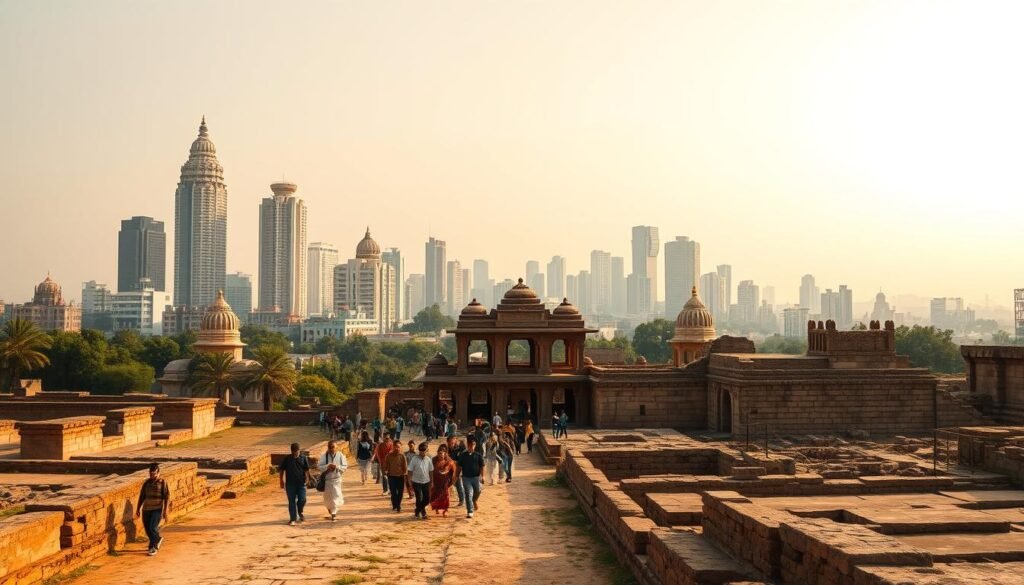
Monastic traditions in Bihar are very important in the spiritual world. Nalanda life shows the heart of Buddhist learning and discipline. These traditions shaped ancient universities and influence today’s spiritual practices in Bodh Gaya.
Understanding Monastic Life in Nalanda
Nalanda life was all about hard work and studying Buddhist texts. Monks did many things to understand spiritual teachings better. They had daily rituals, meditation, and meals together, creating a strong community.
The buildings in Nalanda, like lecture halls and gardens, helped support this lifestyle. This setup helped monks achieve great things that were known far and wide.
Continuing Traditions in Bodh Gaya
Bodh Gaya practices keep the spirit of Nalanda alive. The connection between Nalanda and Bodh Gaya is clear in the spiritual paths of monks and others. In Bodh Gaya, rituals and teachings continue, showing Nalanda’s lasting impact.
The focus on meditation and mindfulness in Bodh Gaya keeps these traditions vibrant. They adapt to today’s world while keeping their essential values.
Festivals and Celebrations in Bodh Gaya
Bodh Gaya is a lively place for spiritual events and fun celebrations. These festivals honor key parts of Buddhist history. They also unite people from different places, showing unity and teamwork.
These events show the community’s shared values and beliefs. They are a big part of Bodh Gaya’s culture.
Major Events Celebrating Buddhism
Big festivals like Buddha Jayanti and Asalha Puja are celebrated with lots of energy. Buddha Jayanti honors the Buddha’s life and teachings. It draws people from all over the world.
The festival is filled with colorful decorations, songs, and prayers. It’s a time of joy and reflection.
- Buddha Jayanti: A day of reflection and celebration.
- Asalha Puja: Commemorates the Buddha’s first sermon, inspiring numerous devotees.
- Buddha Purnima: Celebrated under the full moon, filled with prayers and offerings.
Community Involvement in Festivals
People from all walks of life play a big role in these festivals. Locals, monks, and visitors all join in. Families help out, making sure everyone feels included.
Together, they organize events, serve food, and perform cultural shows. These efforts highlight the region’s rich Buddhist heritage.
The true meaning of Bodh Gaya’s festivals goes beyond just rituals. They celebrate unity and the journey towards kindness and understanding. Each festival strengthens the bond between the community, showing the Buddha’s teachings in action.
Ecological and Environmental Significance Surrounding Nalanda and Bodh Gaya
Nalanda and Bodh Gaya are more than just old sites. They are also key to the environment. The beauty of nature here adds to the rich history, linking the two together. This shows how the environment makes our spiritual and mindful experiences better.
Natural Beauty of the Region
The plants and animals around Nalanda and Bodh Gaya make the area beautiful. Greenery, calm water, and many animals create a peaceful scene. People say this beauty helps their spiritual journey, making it a great place for thinking and praying.
This beauty is not just for looks. It’s also important for the ecosystem. It shows how nature and human life are connected.
Conservation Efforts in Bihar
People in Bihar know how important these places are for the environment. So, they work together to keep the area safe. They want to protect rare animals and fix damaged places.
This shows how important it is to save both culture and nature. It’s all about keeping a balance between the two.
Visitor Information: What to Expect in Nalanda and Bodh Gaya
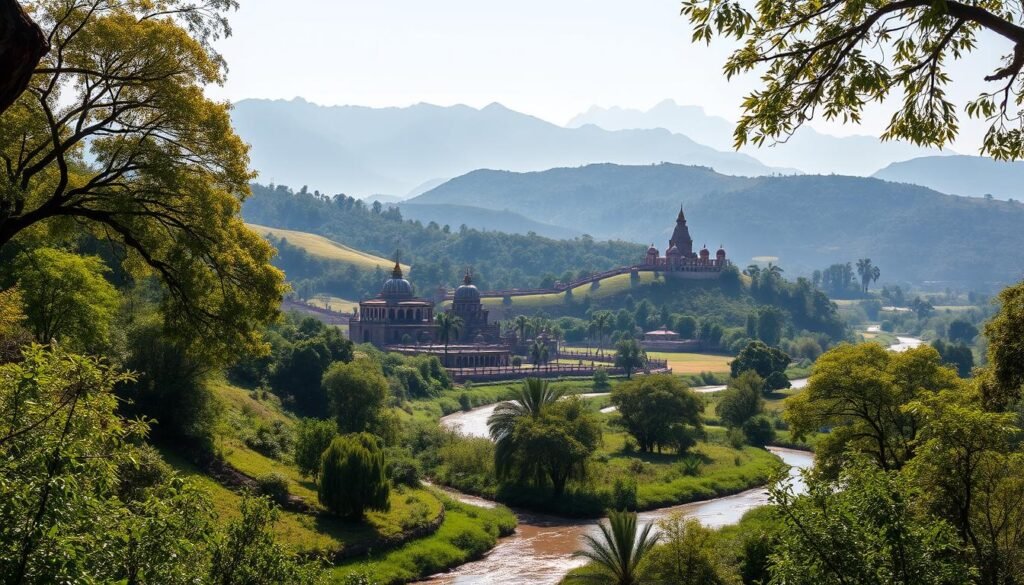
Planning a trip to Nalanda and Bodh Gaya? You’ll want to know all about it. Knowing the best time to go will make your visit better. We’ve got tips for both pilgrims and tourists.
Best Time to Visit
The seasons change the beauty of Nalanda and Bodh Gaya. The best months are October to March. The weather is mild, from 10°C to 25°C (50°F to 77°F). It’s great for walking around and seeing sights.
Travel Tips for Pilgrims and Tourists
Here are some tips for a great trip:
- Bring enough cash, as some places don’t take cards.
- Be respectful of local customs, like in temples.
- Wear comfy shoes for walking. You’ll explore a lot on foot.
- Drink water to stay hydrated, as it can get tiring.
- Check out local spots and events to make your trip richer.
Connecting Nalanda and Bodh Gaya: Transportation Options
Traveling between Nalanda and Bodh Gaya is a rewarding experience. It’s important to know the transportation options to make the trip easier. This way, more people can visit these historic sites.
Available Travel Routes
There are many ways to get from Nalanda to Bodh Gaya. If you like driving, there are direct buses that run all day. They are cheap and let you see beautiful views.
- From Nalanda, a bus service typically takes approximately 2-3 hours to reach Bodh Gaya.
- Taxis and auto-rickshaws are widely accessible for those seeking a more flexible schedule.
- Train services are another option, with a railway station located near both towns, providing efficient connections to train travelers.
Public Transport and Accessibility
Public transport is key in getting to Nalanda and Bodh Gaya. The buses are affordable, making it easy for visitors to travel. They run often, helping both locals and tourists.
Public transport is not just for getting around. It’s also a chance to meet locals and learn more about the area. Whether you take a bus, taxi, or train, you’ll gain a deeper appreciation for these sites.
Influence of Bihar Ancient History on Global Culture
The ancient history of Bihar, with a focus on Buddhism, has deeply influenced global culture. The teachings from this region have spread far and wide. They have helped connect cultures, creating a rich mix of traditions influenced by Buddhism.
Buddhism’s Global Reach
Buddhism started in Bihar and has become a global movement. Its messages of kindness, mindfulness, and unity touch people everywhere. This has made Buddhism a part of many art forms, educational systems, and moral codes worldwide.
Countries like Japan, China, and Thailand have adopted Buddhist teachings. They have made these teachings their own while keeping the essence of Buddhism.
Intercultural Exchanges Throughout History
The spread of Buddhism has led to many cultural exchanges. The Silk Road played a big role in sharing goods, ideas, and practices. These exchanges helped communities understand each other better, shaping a global culture.
This shows how ancient teachings continue to influence us today. They help us see the world and interact with others in new ways.
Conclusion
This journey through Nalanda and Bodh Gaya shows their deep historical and spiritual ties. They stand as beacons of learning and spiritual growth in Bihar’s ancient past. Nalanda University’s impact on education and Bodh Gaya’s role in Buddhism’s start tell a story of rich culture that lasts.
By honoring these sites, we recognize their influence on both local and global cultures. They inspire many on their spiritual paths. The tales from Nalanda and Bodh Gaya help us understand Bihar’s heritage and Buddhism’s spiritual legacy.
We invite you to join this exploration of Bihar’s ancient history. Let’s share the stories of these remarkable places. Together, we can celebrate and honor the past’s contributions to our present and future.