

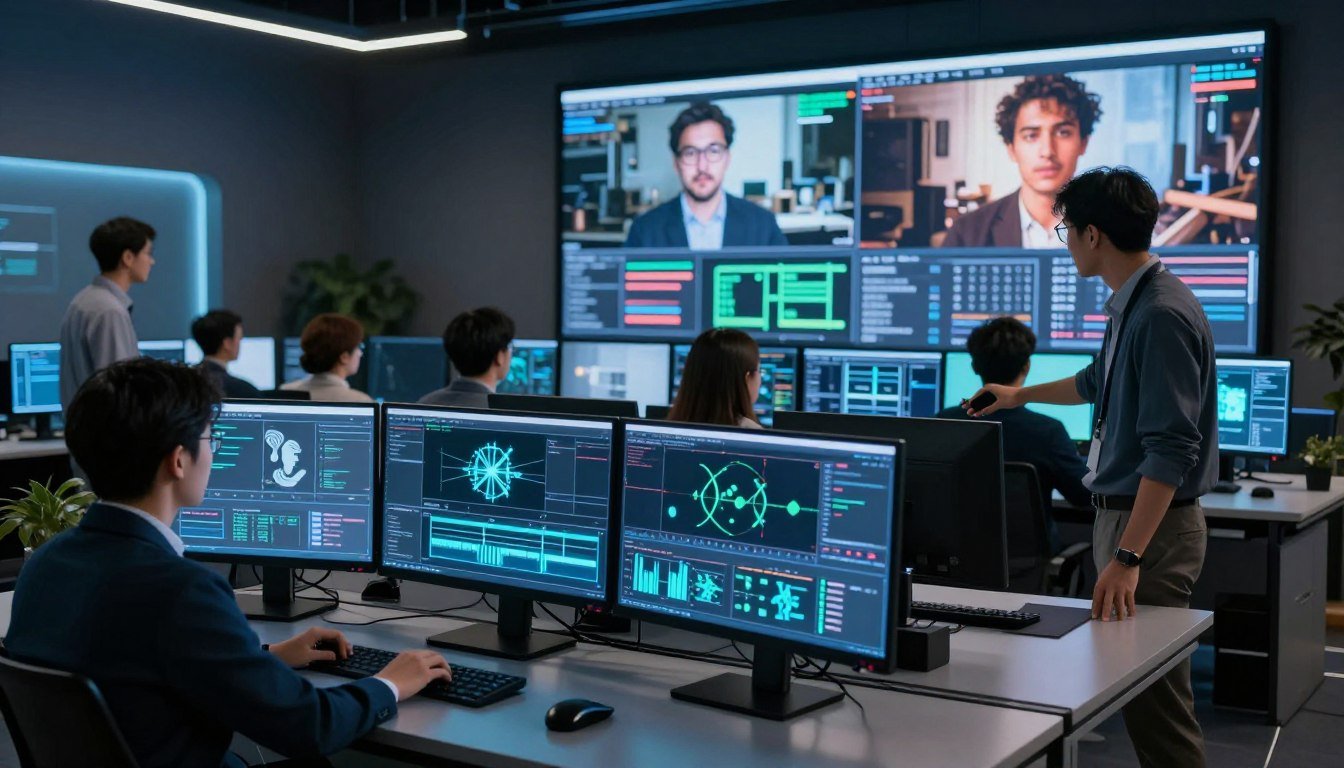
AI has changed the film industry a lot in recent years. It uses automation, better tracking, and new cleanup methods. This makes making movies faster and with better visuals.
This change brings humans and tech together in new ways. It makes working on movies more creative and collaborative.
In this article, we’ll look at how AI is changing post-production. We’ll talk to experts and see how it’s making VFX better. AI is not just making things faster. It’s changing how we tell stories in movies.
Introduction to AI in VFX
The introduction of AI in VFX is a big deal in filmmaking technology. AI uses advanced algorithms to handle lots of visual data. This leads to a new wave of visual effects innovation.
AI makes a big difference in VFX. It automates simple tasks and improves complex CGI scenes. Over time, AI has changed how we tell stories visually.
AI and VFX together bring new creativity and innovation. Exploring this connection shows that the future of visual effects depends on technology and AI. It opens up new ways to imagine and create.
The Importance of Automation in VFX Production
In the world of visual effects, automation in VFX is key. It makes work faster and helps artists be more creative. By using software to do routine tasks, filmmakers can spend more time on the creative parts.
This change makes team members happier. It also helps them keep up with the fast pace of the industry.
What is Automation in VFX?
Automation in VFX means using advanced software for tasks that artists used to do. These tasks include things like rendering and rotoscoping. This way, teams can save a lot of time and focus on more important things.
Benefits of Automation for Filmmakers
Automation brings many benefits to filmmakers. It makes work more efficient and smooth. Some main advantages are:
- Time Savings: Automation lets filmmakers spend more time on creative ideas.
- Consistency: It makes sure work is done well and looks the same every time.
- Resource Management: It helps teams use their skills on important projects, not just routine tasks.
These changes make it easier to meet deadlines without losing quality.
Enhanced Auto Tracking Capabilities
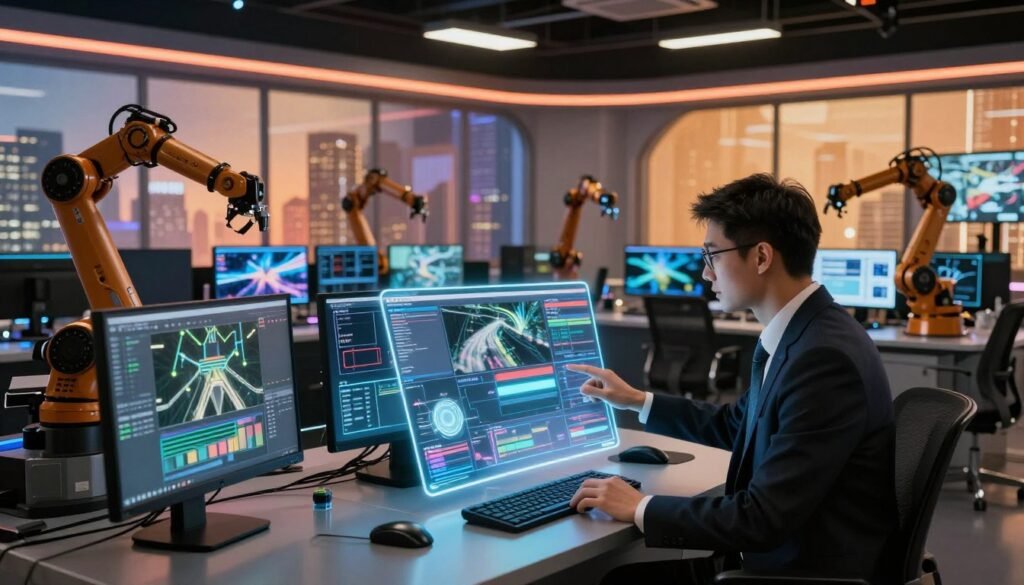
Auto tracking in VFX is a big step forward in filmmaking. It makes adding visual effects to live-action easier. It uses smart tracking tech to follow camera moves and object actions in scenes.
How Auto Tracking Works
Auto tracking uses special tech to track objects in scenes. It finds key points and follows them through each frame. This makes sure visual effects match the live-action footage well.
This tech cuts down on the work needed for VFX. It lets artists spend more time on creative stuff, not just fixing tech issues.
Applications of Auto Tracking in Film Production
Auto tracking has many uses in making movies. It helps mix CGI with live-action smoothly. This makes the story flow better and grabs viewers’ attention.
Many famous movies have used this tech for amazing scenes. It shows how auto tracking can make films look better. It lets filmmakers dream up new and exciting things.
AI VFX Tools Revolutionizing the Industry
AI VFX tools are changing how we make visual effects. They make things more creative and efficient. We’ll look at top AI VFX tools and their impact through real stories.
Popular AI VFX Tools on the Market
Many strong AI VFX tools are changing the game. Some big names are:
| Tool | Key Features | User Experience |
|---|---|---|
| Adobe Sensei | Machine learning for image analysis and enhancement | Streamlined workflow with intuitive interface |
| Nuke | Advanced compositing and 3D integration | Highly customizable and suited for complex projects |
| Autodesk Flame | Comprehensive visual effects tool with AI assist | Robust performance for high-end production |
Case Studies: Success Stories from the Industry
Many stories show how AI VFX tools are making a difference. For example, Adobe Sensei helped CGI characters look better. Nuke made backgrounds for big movies seamless. These stories show how AI is improving quality and saving time.
Streamlining Cleanup Processes with AI
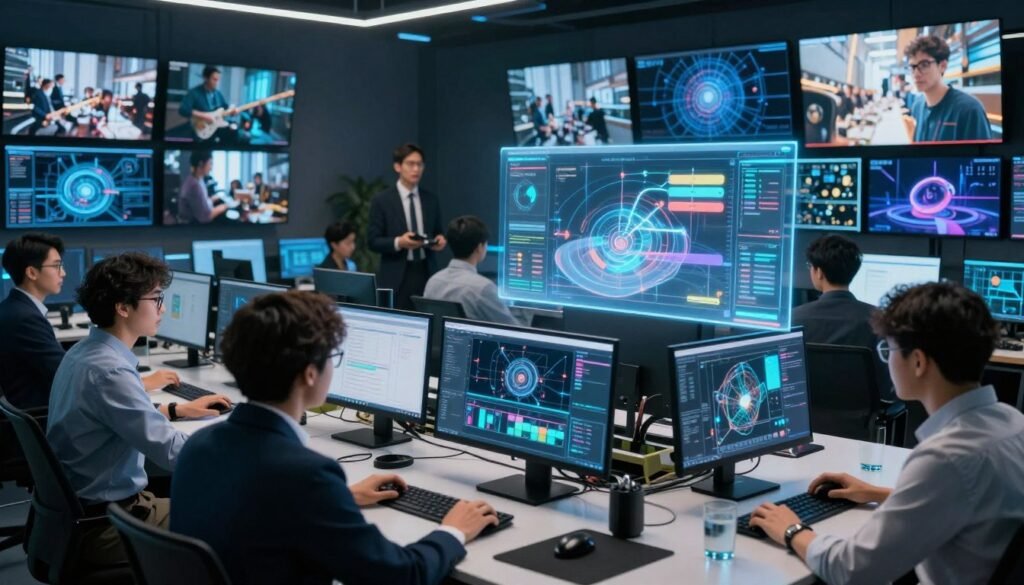
Cleanup in VFX is key to keeping visuals consistent and high quality. It involves fixing small details and checking assets for continuity. Before, this work took a lot of time and could have mistakes.
Now, AI tools are changing how we do cleanup. They make the process faster and more accurate.
What Does Cleanup Entail in VFX?
Cleanup in VFX means removing unwanted parts, fixing bugs, and improving animations. Artists work in complex scenes where every detail matters. They need to be precise and creative at the same time.
Good cleanup means managing data well. This helps teams keep everything in order and on track with the story.
AI-Powered Cleanup Tools and Their Effectiveness
AI tools are making a big difference in VFX. They find and fix errors fast, unlike manual methods. They get better with time, helping artists focus on their creativity.
These tools offer many benefits:
- Increased Speed: AI tools work faster than humans on big tasks.
- Improved Accuracy: They make fewer mistakes, thanks to better algorithms.
- Resource Optimization: They save time for artists to be more creative.
Using AI tools in VFX makes cleanup better and improves storytelling quality.
Neural Rendering and its Impact on VFX
Neural rendering is a big step forward in visual effects. It uses deep learning to make images look very real. This makes it hard to tell if something is digital or real.
It’s important to know about this technology if you work in VFX.
Defining Neural Rendering
Neural rendering uses neural networks to make images and animations. These networks learn from lots of visual data. They can make things look very real.
It uses special algorithms to make things faster. This means we can make movies and shows faster and better.
Advantages of Neural Rendering Techniques
Neural rendering has many good points:
- Accelerated Rendering Times: It makes making high-quality images much faster. This helps artists meet deadlines.
- Enhanced Realism: It makes things look very real. This makes movies and shows better for viewers.
- Cost Efficiency: It helps save money by making things faster. This means studios can spend less and do more.
Neural rendering is changing how we make movies and shows. It makes things look amazing and helps everyone make better content.

The Future of VFX with AI
The future of AI in VFX looks bright and is changing fast. We’re on the edge of big changes in visual effects production. New technology will bring tools that change how we tell stories.
Predictions for AI in VFX
AI will play a bigger role in making movies. We think real-time rendering will get better, making movies faster to make. AI will let filmmakers see scenes right away, making decisions quicker and making movies more exciting.
Emerging Trends in the Industry
Augmented reality will become a big part of movies. As AI gets better, we’ll see more interactive movies. This will make movies more fun and engaging for viewers.
Challenges and Limitations of AI in VFX
AI in VFX brings many benefits, but it also has its challenges. One big problem is the learning curve for new tech. This can slow down both individual artists and teams as they learn AI tools.
Also, technology has its limits. AI can sometimes introduce biases, leading to results that don’t meet expectations. These biases come from the data used to train AI, which might not cover all film production scenarios.
There are also barriers to adopting AI. Costs, resistance to change, and lack of training can hold back VFX studios. To overcome these, we need to understand how to use AI well in our workflows. This will help avoid common problems.
The Role of Machine Learning in VFX Production
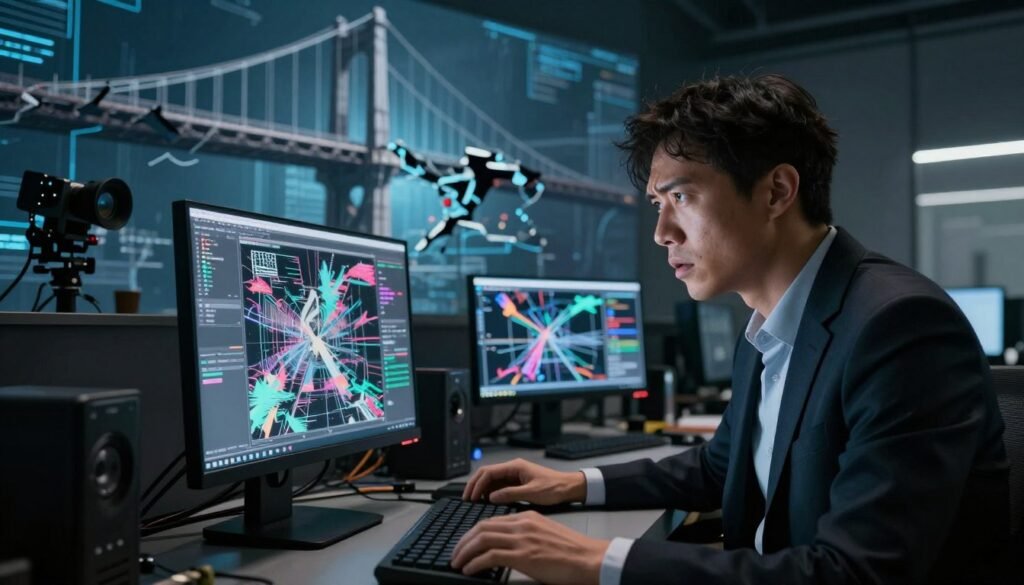
Machine learning in VFX is changing filmmaking a lot. It uses data to make things more efficient and creative. Knowing how machine learning works in film is key to seeing its big impact.
Understanding Machine Learning in Film
Machine learning is a part of AI that lets systems get better with data. In film, it helps with tasks like rotoscoping and making 3D models. For example, it can look at lots of frames to find patterns, helping artists work less.
Case Studies of Machine Learning Applications
Many film studios have used machine learning to great success. Here are some examples:
| Film/Project | Machine Learning Application | Outcome |
|---|---|---|
| Guardians of the Galaxy Vol. 2 | Automated rotoscoping for complex scenes | Reduced post-production time significantly |
| The Lion King | AI-driven asset creation for environments | Enhanced realism and detailed settings |
| Avengers: Endgame | Facial recognition technology for character animation | Streamlined animation with high accuracy |
These examples show how machine learning is changing VFX. It offers new ways to solve old problems. The use of AI is making the industry better and opening up new possibilities.
Collaboration Between AI and Human Artists
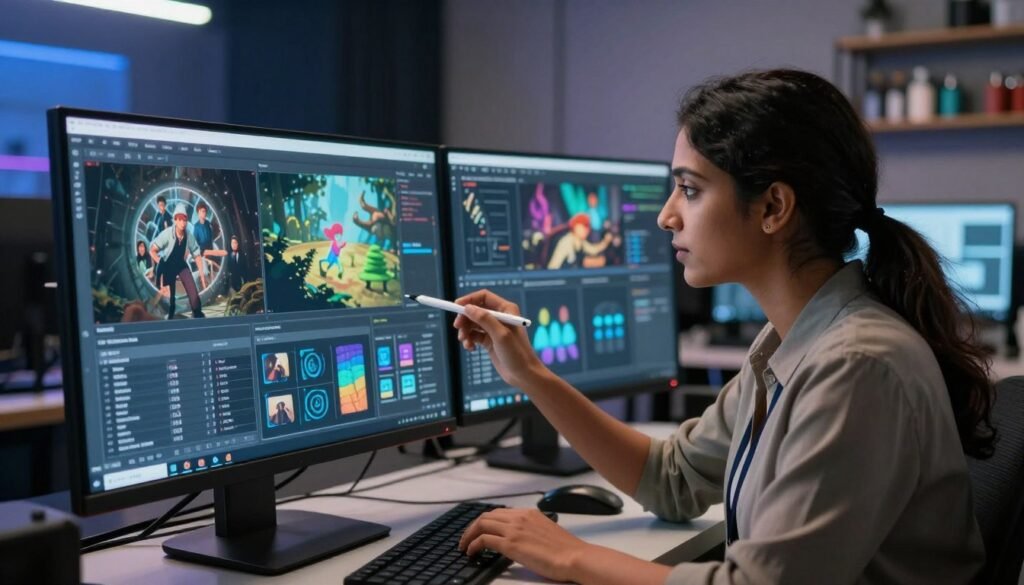
Technology and creativity meet in a new way. AI and humans working together change how artists create. They use new tools that make their work easier.
Now, artists can focus more on being creative. They don’t have to do boring tasks anymore.
In the VFX world, AI is a big help. It works with humans, not against them. Tools like Autodesk’s Shotgun make teamwork better.
These tools take away the boring stuff. This lets artists think of new ideas and make amazing things.
AI helps teams work together better. It lets humans be creative and machines do the hard work. This mix leads to stories that really grab people’s attention.
| AI Tools | Functionality | Impact on Collaboration |
|---|---|---|
| Autodesk Shotgun | Project management and review | Streamlines communication and task delegation |
| Adobe Sensei | Content intelligence | Enhances personalization and efficiency |
| Runway ML | Generative design tools | Fosters experimentation and quick iterations |
The future of visual effects is bright. AI and humans working together opens up new possibilities. This partnership changes how we make things and what we can make.
Enhancing Creativity with AI Tools
In filmmaking, AI tools bring new ways to explore art. Technology keeps getting better, helping filmmakers find new ideas. AI in VFX lets artists dream up things they couldn’t before.
How AI Sparks Creativity in Filmmakers
AI is like a creative spark for filmmakers. It brings new visual ideas and artistic choices. It looks at what’s out there and finds new patterns. This lets creators try new things in their stories.
Examples of Creative AI Applications
Here are some ways AI boosts creativity in VFX:
- DeepArt: This tool makes videos look like art, changing them into stunning pieces.
- Runway ML: It makes creating content easy by using machine learning, changing editing forever.
- Adobe Sensei: It’s part of Adobe, helping with VFX by doing tasks and suggesting new ideas.
AI in VFX: The Environmental Impact
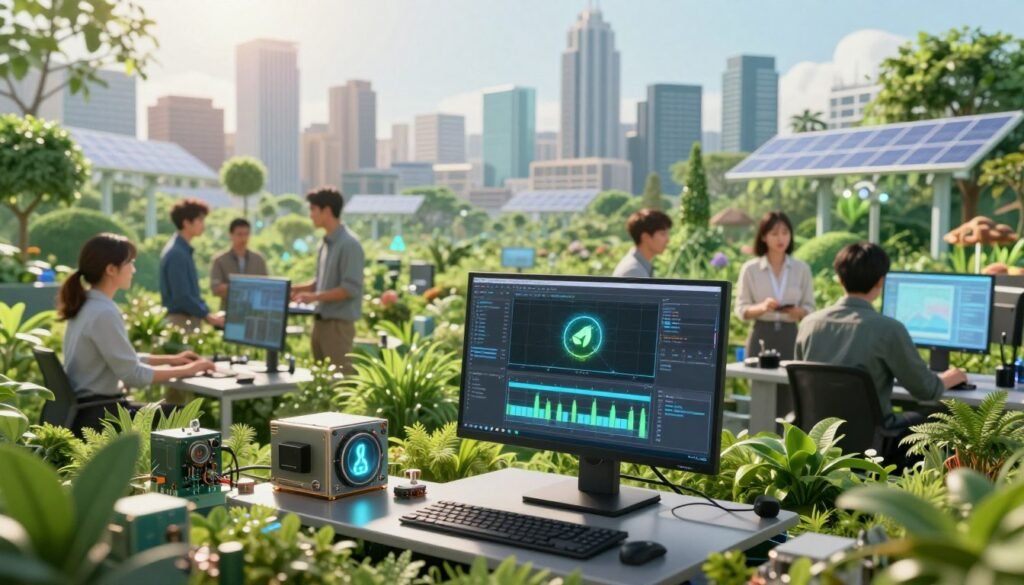
The visual effects (VFX) industry is now focusing on the environment. Filmmakers want to make VFX more sustainable. They see AI as a key to reducing harm to the planet.
AI makes production more efficient. This means using less resources. Studios can save energy and cut down on waste.
AI helps with rendering, making it faster and using less power. This saves a lot of energy. Studios that use eco-friendly practices set a good example for others.
Leading production houses are already seeing the benefits of AI. They’ve cut down on waste and saved energy. This shows they care about the planet.
By using smart, green practices, we can make a better future. Creativity and caring for the environment can go hand in hand.
| Practice | Description | Environmental Benefit |
|---|---|---|
| Optimized Rendering | Utilizing AI for efficient resource allocation in rendering tasks. | Reduces energy consumption and costs. |
| Virtual Production Techniques | Using AI to create digital environments, minimizing physical sets. | Decreases material waste and transportation emissions. |
| Automated Asset Management | AI tools for tracking and reusing assets across projects. | Enhances sustainability by reducing the need for new resources. |
Cost-Efficiency of AI Technologies in VFX
AI has changed VFX, making it cheaper and more efficient. Filmmakers use AI to save money and work better. This part will show how AI cuts costs and brings financial benefits.
How AI Reduces Production Costs
AI lets filmmakers do less manual work, saving on labor. It frees artists to be more creative. AI also makes work faster, saving time and money.
- Reduced manual labor: AI handles tasks like rendering and editing.
- Improved accuracy: AI’s smart algorithms reduce mistakes, saving time on fixes.
- Resource optimization: AI helps use resources wisely, keeping costs down.
Long-Term Financial Benefits for Filmmakers
AI brings both quick and long-term savings. It helps filmmakers make more money over time. The benefits include:
- Sustained budget control: Saving money means more profit.
- Expanded project possibilities: Lower costs mean bigger, bolder projects.
- Increased return on investment: Faster, better projects attract more investors.
| Expense Category | Traditional VFX Approach | AI-Enabled VFX Approach |
|---|---|---|
| Labor Costs | $200,000 | $120,000 |
| Production Time | 6 months | 4 months |
| Error Correction Costs | $50,000 | $10,000 |
| Total Savings | – | $120,000 |
Training and Skills Required for Utilizing AI in VFX
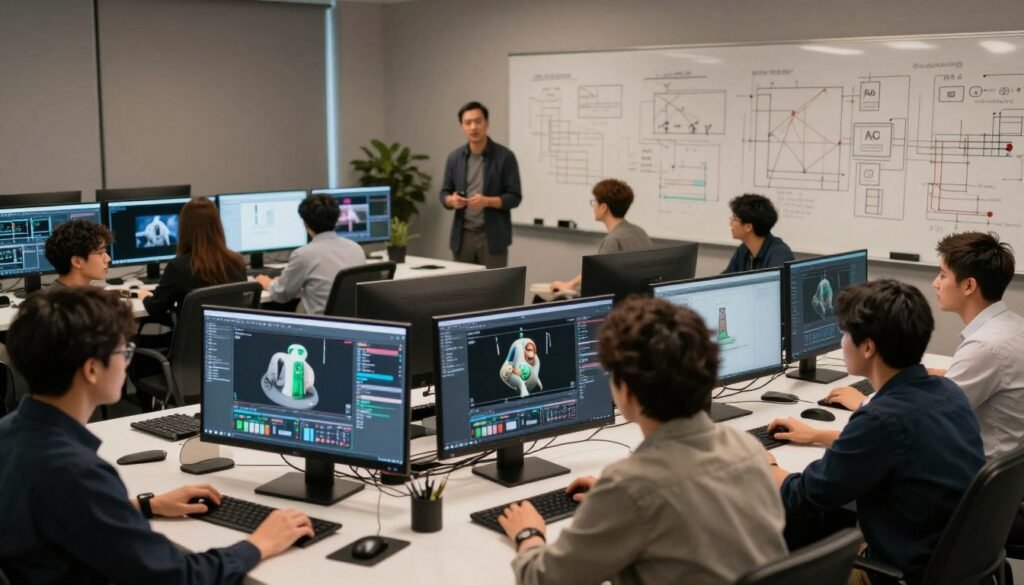
VFX is changing fast with AI. Artists must learn new skills to keep up. We’ll look at what skills are needed and where to learn them.
Essential Skills for VFX Artists
VFX artists need both art skills and tech knowledge. They must know:
- Proficiency in Software: They should know tools like Autodesk Maya, Nuke, and Adobe After Effects.
- Understanding AI Algorithms: Knowing how AI works helps make better choices in projects.
- Computer Programming: Knowing Python can make tasks easier and faster.
- Artistic Vision: Creativity is key to using AI well in projects.
Training Programs and Resources Available
Many resources help artists learn AI for VFX. These include:
- Online Courses: Sites like Coursera and Udacity have courses on AI in VFX.
- Workshops: Local schools and studios host workshops on new tech and skills.
- Industry Conferences: Events like SIGGRAPH and FMX offer training and insights from experts.
Integrating AI Workflows in Traditional VFX Studios
Adding AI to VFX studios is a big change that can make filmmaking better. Old ways can get a boost from new tech, making things more efficient and creative. But, changing how things are done is key, as old methods need to fit with new AI tools.
Using AI tools right means a few important steps. First, look at what’s slow in your current process. AI can help with these problems. Then, get your team ready for new tech by training them.
Some studios have already seen great results with AI. For example, a small animation studio used AI for managing assets. This cut down their work time a lot. They learned to work with AI, making their team more creative and innovative.
Introducing AI in VFX studios is all about being open to new ideas. It’s about always learning and improving. This way, studios can keep up with the fast pace of the industry.
Conclusion
Looking back, AI in VFX is changing the game. It’s making things faster and better. Filmmakers can now focus more on their art because AI does the hard work.
We’ve seen how AI and creativity work together. This combo makes making movies easier and opens up new ideas. But, we must be careful as we change how we work.
By using AI, filmmakers and VFX artists can do amazing things. The future of movies is bright and full of new ideas. Let’s explore and create like never before.