



We went to the temple as teams got it ready for Maha Shivratri. The Lingaraj Temple Trust and Bhubaneswar Municipal Corporation have a plan. They will use traditional oil diyas and golden LED lights to highlight the Kalingan architecture.
This mix of old and new lighting will make the temple look amazing for Lingaraj Temple Shivratri 2026.
Artisans were making clay diyas, and electricians were setting up lights. Priests were checking the ritual schedule. The city is lighting up major spots for the festival, welcoming pilgrims.
The decoration will show devotion and safety. It will guide large crowds while honoring the ritual.
We expect a lot of people to come, mainly at night. Worship will focus on the lingam, and there will be continuous darshan. This article will cover the preparations, the roles of everyone involved, and what visitors can expect during Lingaraj Temple Shivratri 2026.
Key Takeaways
- Lingaraj Temple Shivratri Preparation combines traditional oil diyas with golden LED lighting for safety and aesthetics.
- BMC and Odisha Tourism coordinate Bhubaneswar festival lights and visitor services during Shivratri 2026.
- Local artisans, electricians, and temple priests are central to the decoration and ritual timelines.
- Maha Shivratri temple decoration emphasizes the Kalingan architecture and continuous darshan arrangements.
- Devotee influx is expected to peak on the main night; advance planning for travel and crowd management is advised.
Lingaraj Temple Shivratri Preparation
We see Lingaraj Temple Shivratri Preparation as a big project. It combines ritual timings with safety plans. Our goal is to keep the temple safe while celebrating.
Teams work on crowd management and volunteer schedules. They also plan ceremonies to keep everyone safe.
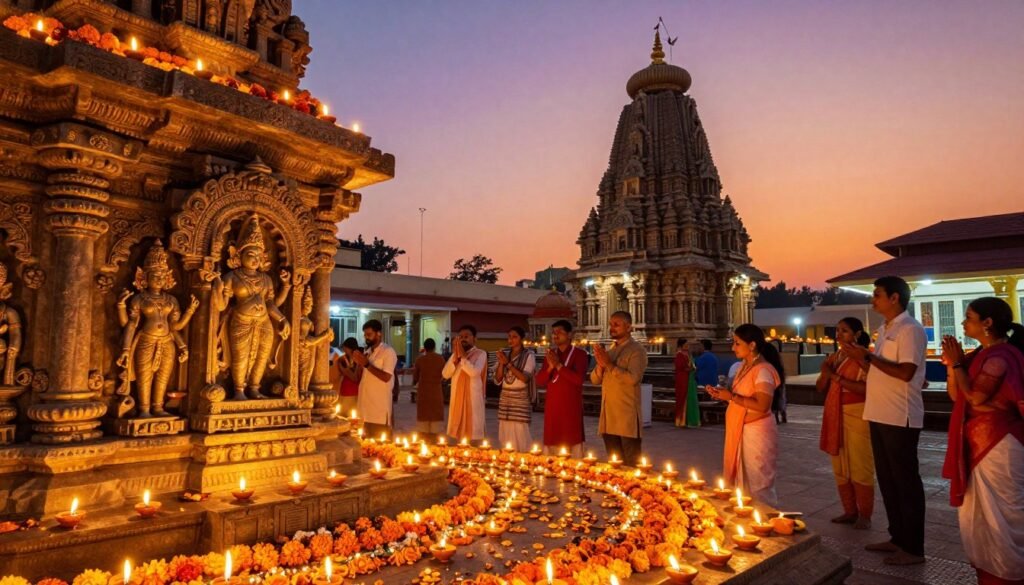
Overview of preparations this year
Cleaning crews prepare the temple stones before the festival. Teams buy oil, ghee, and lamps early to avoid running out. They test the lights and generators to make sure everything works.
Volunteers are trained to help with the crowd. Engineers make maps to help people move smoothly. They also plan for emergency exits.
Significance of timing and rituals for Shivratri 2026
The schedule for rituals is set by the Panchang. Priests plan a night of worship with special times for each ritual. This helps spread out the visitors.
They plan the ceremonies to fit with crowd control. This includes staggered aartis and fixed darshan times. It keeps the rituals meaningful and safe.
Organizing committees and temple authorities involved
The Lingaraj Temple Trust leads the planning. The district administration and police handle security. Tourism and the city help with visitor services.
There are many groups working together. Pujaris and trustees make religious decisions. Volunteers and technical teams handle logistics. It’s a mix of tradition and modern planning for Mahashivratri.
Visual Transformation: Diyas, Golden Lights, and Decorations
We aim to enhance Lingaraj’s beauty by mixing its sandstone with warm light. This makes the architecture stand out and focuses our devotion. We use traditional diyas and golden LED lights to highlight key parts of the temple.
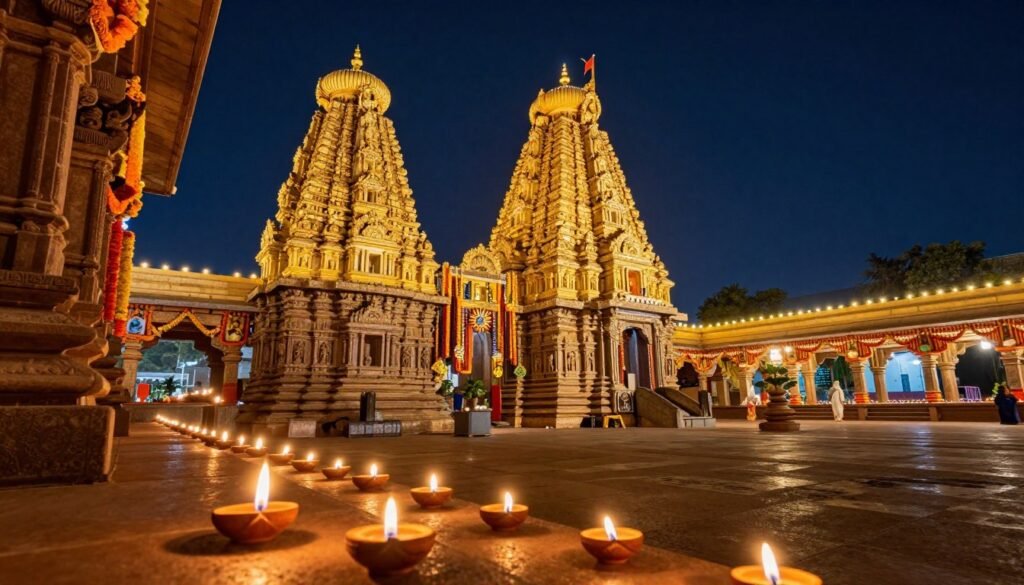
Lighting experts set up different scenes for the temple. They used soft lights for stairs, bright lights for carvings, and gentle uplighting for the tower. They chose LED strips that can handle the weather and match the sandstone’s glow.
Types of diyas and decorative elements used
Traditional clay diyas and brass lamps are at the heart of our decor. We chose mustard and sesame oils for their slow burn. Marigold and mango leaf torans welcome visitors, while fabric buntings and golden LED strips add contrast.
Installation process and safety measures
Special scaffolding and certified electricians worked on the high spots. They used safe power setups and fireproof fabrics. Fire extinguishers and safety checks were ready, and all permits were in place.
We made sure the decorations were both beautiful and safe. Working with the fire department and following safety rules, we created a model for future Shivratri celebrations. This way, we honor tradition while meeting modern safety standards.
History of Lingaraj Temple and Its Shivratri Celebrations
The temple’s history spans from the 11th–12th century Kalinga architecture to today. It’s a key Shaiva pilgrimage site in Odisha. The Archaeological Survey of India and state groups work to preserve it. They protect the stone carvings and sanctum while planning for modern festivals.
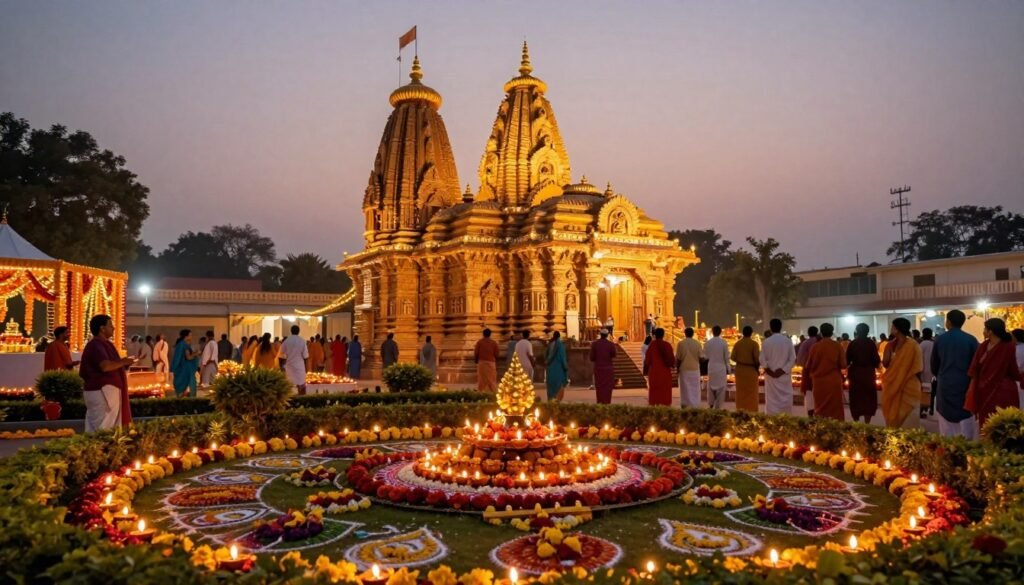
Historical background of the temple
The core shrine is from medieval Odisha. Kalinga craftsmen made detailed sculptures and a unique vertical vimana. Royal support and local communities kept the rituals alive for centuries, making it a center for Shaiva devotion.
Traditional Shivratri practices at Lingaraj
Shivratri at Lingaraj was once all-night worship and Rudrabhishek rites. Priests performed these rituals. Devotees recited hymns, shared prasad, and joined small processions. The night was filled with focused silence between chants.
Evolution of festival scale and decorations
Celebrations have grown from small rituals to big public events over time. They now include planned lighting and crowd control. Today, Lingaraj Temple Shivratri Preparation combines ancient rituals with modern logistics to handle more people and media.
We see both tradition and change: rituals stay core, but staging, lighting, and support have grown. For Lingaraj Temple Shivratri 2026, organizers aim to keep reverence while ensuring safety in their preparations.
Impact on Local Community and Devotees
Lingaraj Temple Shivratri Preparation does more than just rituals. It boosts Bhubaneswar’s economy. Potters, florists, tailors, electricians, and riggers get work, improving lives for many.
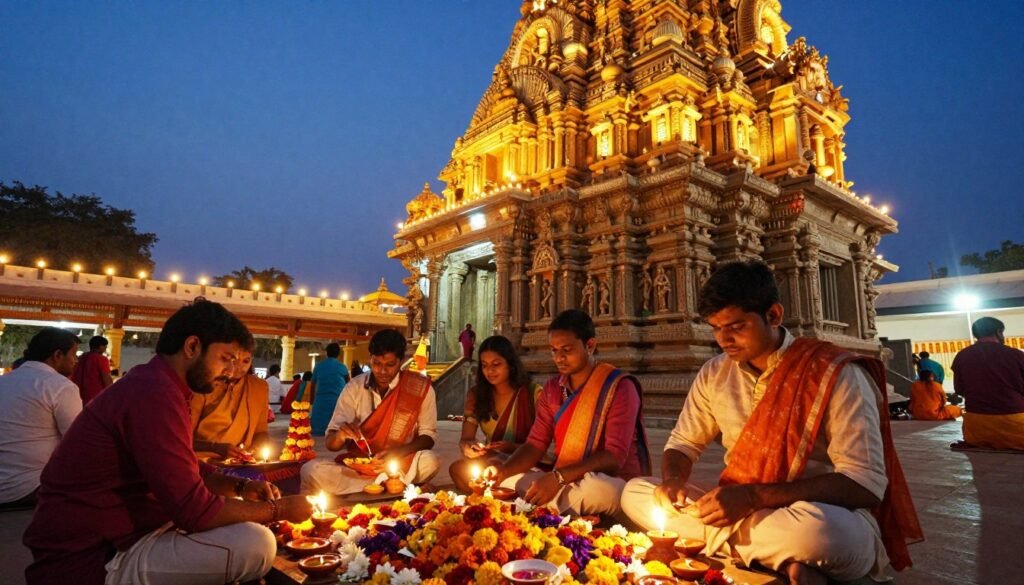
Role of local artisans and vendors
Local potters make more clay diyas for Maha Shivratri. Florists create garlands for temples and homes. Tailors and fabric workers make banners and canopies. Electricians set up lights and wiring.
Seasonal jobs in markets, workshops, and logistics increase household incomes. This is during the festival weeks.
Devotee turnout and spiritual engagement
People from all over Odisha, neighboring states, and abroad come. They join night vigils, fasting, and singing. Families, students, and pilgrims wait in long lines for darshan.
These shared practices strengthen faith and create a sense of community. The festival lights add to the spiritual atmosphere.
Community volunteering and participation
Youth groups, temple teams, and civic volunteers help manage crowds. They handle sanitation and prasad distribution. Training teaches them to assist safely.
This network supports temple staff and empowers residents. It helps protect pilgrims and local traditions during busy days.
Bhubaneswar Festival Lights: Citywide Illumination
Bhubaneswar transforms into a stunning light show for Lingaraj Temple Shivratri Preparation and the festival season. City planners and cultural groups see light as a key part of the city’s look. They work together to create a beautiful night sky that guides people to heritage sites.
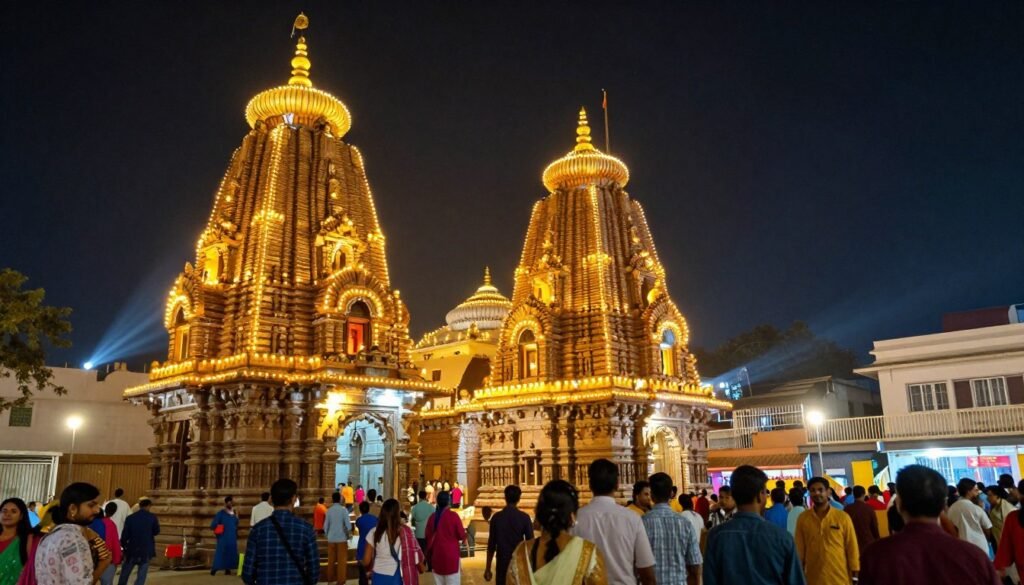
A central command model connects the city’s control centers with teams at Mukteshwar and Rajarani temples. This setup makes lights flash in sync, saving energy and creating unity near Lingaraj Temple Shivratri 2026.
How the city coordinates lighting across landmarks
Control centers plan light shows for important spots and squares. Technicians set up timing, test backup systems, and watch energy use live. This helps avoid power cuts and matches lights with rituals during Lingaraj Temple Shivratri Preparation.
Complementary events and street decorations
Organizers light up processional paths and set up stages for cultural shows. Night markets and guided tours by Odisha Tourism add to the fun. Streets get decorated with low-energy LEDs, traditional diyas, and banners that highlight festival themes.
Effect on local businesses and tourism
Local shops, eateries, and hotels get more visitors when the city lights up. Transport services see a surge in bookings tied to the lights schedule around Lingaraj Temple Shivratri 2026. Vendors near walkways sell crafts and snacks, boosting the local economy thanks to the city’s planning.
Maha Shivratri Preparations: Rituals and Timings
We outline the ritual sequence and schedule for engineers, students, and regular pilgrims. This helps plan attendance clearly. Clear timing is key for travel, rest, and participation during Mahashivratri preparations at Lingaraj. Our notes detail rituals and practical steps for efficient, respectful darshan during Lingaraj Temple Shivratri Preparation.
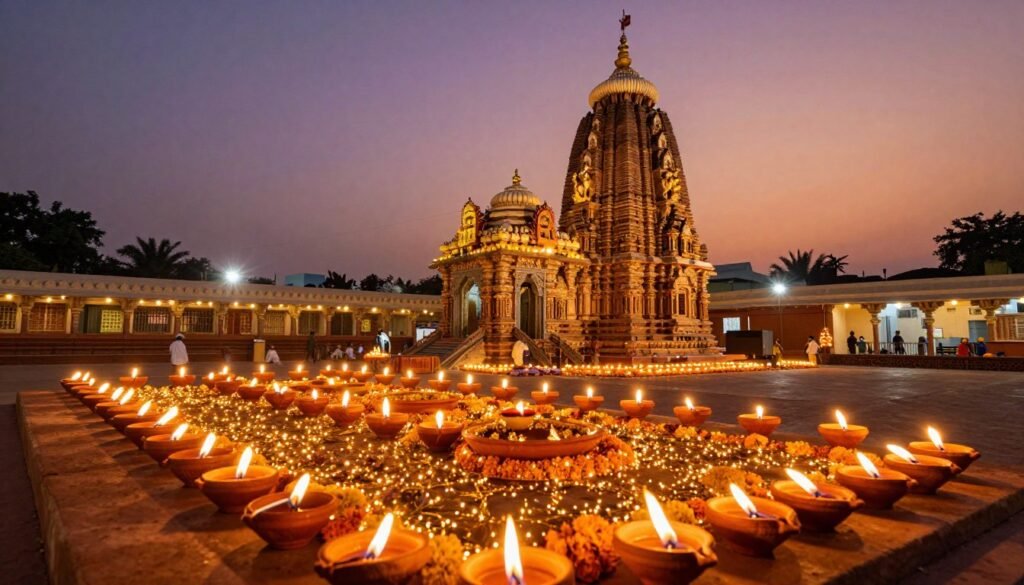
Key rituals performed during Shivratri
Rudra Abhishekam is the central ceremony. Priests bathe the linga with water, milk, ghee, and honey while chanting the Rudram. Bilva leaf offerings follow as a repetitive rite linked to blessing and purity.
Lingodbhava puja marks the cosmic manifestation of Shiva. This is observed with special lamps and incense. Temple head priests lead canonical rites, supervise offerings, and guide the procession of the deity at specific hours.
Important dates, timings, and darshan schedules
Maha Shivratri 2026 observance night aligns with the Panchang notification. The temple trust posts exact start times before the event. Major rituals typically begin late evening and extend through the early hours.
Darshan windows open in scheduled slots. Peak hours are just after midnight and at pre-dawn rituals. We recommend checking official Lingaraj updates for confirmed darshan schedules during Lingaraj Temple Shivratri 2026.
Tips for devotees attending nighttime rituals
Arrive early to secure a place in the queue. This allows for comfortable participation in planned darshan windows. Carry government ID as requested by temple authorities and keep to permitted offerings.
Wear comfortable traditional attire that allows easy movement and respects sanctum rules. No leather or alcohol-related items are allowed. Plan for limited mobile connectivity in crowds; share meeting points in advance.
Hydrate and keep light snacks for stamina during long nights. Obey marshals directing the line and follow instructions from the temple trust to avoid delays. Engineers and students can use the ritual timetable to schedule rest and transit.
Treat the sequence like a project timeline. This optimizes presence at key rites during Mahashivratri preparations and the Lingaraj Temple Shivratri Preparation cycle.
Security, Crowd Management, and Public Safety
We explain how Lingaraj Temple prepares for Shivratri to ensure everyone’s safety. They use engineering, technology, and trained staff to handle big crowds. This helps keep the shrine area safe and orderly.
Police and security arrangements for Shivratri 2026
Odisha Police will be everywhere, with patrols and posts at important spots. They also have command centers to watch CCTV feeds. The area is set up with clear paths for people to move in and out.
Private security teams help with crowd control and keeping people safe. They make sure the flow of people is smooth and safe.
Medical and emergency response readiness
First-aid tents will be near the temple and along the procession paths. Ambulances are ready to go, working with local hospitals for quick help.
They’re prepared for heat, cold, and heart problems. There are special tents and kits ready. Teams practice to respond fast.
Guidelines for visitors to ensure safety
Visitors should follow signs and carry only what they need. If lost or sick, go to official help desks. Always listen to police and volunteers to keep the flow smooth.
Remember the temple’s emergency numbers and where to find first-aid tents. These steps help make Shivratri 2026 safer for everyone.
Travel and Accommodation for Pilgrims
We offer travel tips for those going to Lingaraj during the festival. Planning ahead reduces stress. This way, you can enjoy the rituals and the city’s lights.
How to reach Lingaraj Temple — transport options
By air: Biju Patnaik International Airport is your entry point. Taxis and app-based cabs are available. Be ready for longer travel times during peak hours.
By rail: Bhubaneswar Railway Station connects many parts of India. Trains get full for Shivratri 2026. Book early and arrive in the morning to avoid evening crowds.
Local transit: Buses, auto-rickshaws, and e-rickshaws are good for the last stretch. For a smooth trip, book cabs or hotel pickups in advance.
Recommended hotels and budget stays in Bhubaneswar
Mid-range and premium: Saheed Nagar and Janpath have good hotels. They are close to transport and offer comfort.
Budget stays: Old Town has guesthouses and lodges near the temple. They are perfect for those who want to be close to the temple.
Official options: Odisha Tourism lists festival accommodations. Look for verified listings to ensure safety and amenities.
Advance booking tips during Maha Shivratri
Book flights, trains, and rooms early: demand is high for Shivratri. Use trusted sites like IRCTC, MakeMyTrip, or Booking.com for secure bookings.
Check cancellation policies and flexible fares. Choose central Bhubaneswar to avoid road closure delays.
For groups, book rooms and arrange pickups with hotels. Arrive at different times to ease congestion and improve safety.
Photography and Media Coverage of the Festival
We explain how to take photos and videos of the festival. It’s important to respect the sacred space and keep everyone safe. The Lingaraj Temple Shivratri 2026 is a big event, so media teams need to plan ahead.
Accreditation and media access
Getting media access is through the temple trust and Odisha Tourism. Accredited teams can take photos in certain areas near the temple and Bindusagar lake. It’s best to apply early to avoid any last-minute issues.
Best vantage points and timing
For the best photos, go to spots near Bindusagar lake and official terraces. The golden hour is great for capturing the light. At night, the festival lights and diyas make for beautiful photos.
Etiquette and rules for visitors
Don’t take photos in areas where it’s not allowed. Don’t use flash during rituals and stay out of the way of priests and devotees. Follow the instructions of volunteers and police to keep everyone safe. You might need special permission for professional equipment, and tripods are only allowed in certain areas.
Practical camera tips
For low-light photos, use a wide aperture and adjust your ISO and shutter speed. Use a tripod for night shots and a remote or timer. If you’re using a smartphone, lock your exposure and use night mode.
Live coverage and storytelling
For live feeds, focus on the lighting, diya placements, and the crowd’s devotion. Include the sounds of the festival, like bell tolls and chants. Good framing and respect for the scene can make your coverage memorable.
Cultural Programs and Special Events Around Shivratri
We have a busy calendar of cultural events for Shivratri. It matches the Lingaraj Temple’s preparations and Bhubaneswar’s lighting plans. The program includes devotional performances, academic talks, and street celebrations for everyone.
Music and Dance Lineup
Evenings feature classical Odissi dances. The Odisha Sangeet Natak Akademi and local groups will perform bhajan and kirtan near the temple.
Devotional bands and solo artists play after darshan hours. They match the Bhubaneswar festival lights and create a peaceful atmosphere.
Talks, Workshops, and Spiritual Discourses
Scholars from Utkal University and the Archaeological Survey of India give talks. They discuss temple architecture and conservation in simple terms for students and engineers.
Workshops teach young artisans how to make diyas and traditional items. These events are part of the Lingaraj Temple Shivratri Preparation, helping preserve cultural skills.
Fairs, Stalls, and Food Events
Local markets offer Odia dishes like pakhala, chhena poda, and dalma. Handicraft stalls sell clay diyas and brass items to support local craftsmen.
Youth-run stalls promote eco-friendly festival products. They offer sustainable options for home and street decorations, fitting into Bhubaneswar’s festival lights.
The cultural mix fosters both devotion and civic learning, making Lingaraj Temple Shivratri 2026 a festival of ritual, craft, and public engagement.
Sustainability Measures for Festival Lighting
We see Bhubaneswar festival lights as a challenge: cut energy use, reduce waste, and encourage eco-friendly choices. Our strategy aims to keep traditions alive while meeting environmental goals. This is during Lingaraj Temple Shivratri Preparation and Mahashivratri preparations.
Use of LED and energy-efficient lights
We replaced old lights with LEDs to save energy and reduce heat. The Odisha Renewable Energy Office suggested solar lights for outer areas. These lights light up paths and vendor areas, easing the load on local power grids.
Waste management and eco-friendly diyas
We promoted clay diyas and banned plastic decorations inside the temple. We set up waste bins at main entrances. The city’s waste teams sort and compost biodegradable waste, making cleanup easier after the festival.
Long-term sustainability initiatives by temple trust
The temple trust started regular energy audits and is looking into carbon offset programs with Odisha Tourism. They also launched campaigns to encourage eco-friendly offerings and reusable lamps during Mahashivratri. These efforts aim to lower energy use and waste at future festivals.
Economic Impact: Tourism, Local Economy, and Vendors
We look at how the Lingaraj festival boosts the local economy. The preparation for Shivratri increases demand for work, materials, and services. Local hotels, transport, and street vendors see more business during the festival.
Revenue boost for local businesses
More jobs are created for decorators, electricians, and hospitality workers. Taxes and tourism income go up because of the festival. Small shops selling puja items and prasadam make more money for a few days.
Support for artisans who create diyas and decorations
Handmade diyas and brass items get more demand, helping potters and brass-smiths in Bhubaneswar. Craft groups and NGOs help with bulk orders, ensuring fair prices and timely delivery. This supports traditional crafts and keeps skills alive.
Data on visitor numbers and economic estimates
Temple trust and municipal data help predict visitor numbers. For 2026, more people are expected due to promotions and easier travel. Weather and health advisories can affect these numbers, so we must account for uncertainty.
More people visiting means more sales, bookings, and trips. Vendors selling decorations for the temple benefit the most from the festival.
Artisans earn more with bulk orders, restaurants hire extra staff, and transport services get busier. These changes have a big impact on the local economy during the festival preparation and the main event in 2026.
Visitor Guide: What to Expect at Lingaraj During Shivratri
This guide helps pilgrims move through the temple during the festival. You’ll see lots of people, careful planning, and a spiritual vibe. The city lights up for Shivratri, making the visit special.
Dress code, offerings, and customary practices
Wear traditional clothes like dhoti, sari, or simple outfits. This shows respect and makes entry easier. Carry only what you need. No leather, alcohol, or some electronics inside.
Bring bilva leaves, flowers, or fruit as offerings. These are checked at the gate. Prepare them early to avoid delays and follow Shivratri 2026 rituals.
Entry procedures, queues, and VIP darshan options
At busy times, tickets or tokens might be needed. Visit early morning or late night to skip long lines. There are special queues for VIP darshan, guided by signs and volunteers.
Expect long waits during the main hours of Maha Shivratri. Get tokens early and use official counters. For VIP darshan, book ahead to secure a spot and know the cost.
Accessible facilities for differently-abled visitors
The temple has ramps and viewing areas for everyone. Volunteers and staff help those needing assistance. Visit the information desk for support or seating.
There are restrooms, first-aid, and clear signs for easy movement. These efforts show Lingaraj’s commitment to inclusivity, ensuring all can enjoy the festival safely.
Plan your travel and stay early. Carry only what you need and follow temple staff’s instructions. This way, you can fully enjoy Lingaraj Temple Shivratri 2026.
Voices from Devotees and Temple Authorities
We collected stories that show the human side of Lingaraj Temple Shivratri Preparation. Temple leaders and priests talked about their spiritual goals and getting ready for the event. People who visit and live nearby shared their personal stories and feelings.
Social media and news also gave us a glimpse of what people are thinking about Mahashivratri preparations.
Quotes from priests and temple officials
“The lighting and arrangements aim to deepen devotion while ensuring safety for every visitor,” said a senior priest from the temple trust. Temple officials talked about their plans, including schedules, volunteer training, and logistics. They want to make sure everyone can see the rituals and darshan lines smoothly during Lingaraj Temple Shivratri 2026.
“We emphasize hospitality and clear guidance for pilgrims,” added an operations head. They’ve been practicing how to manage crowds and be ready for emergencies as part of Mahashivratri preparations.
Devotee testimonies and personal stories
Returning pilgrims shared their experiences of the courtyard lit with diyas. They found it to be a moment of deep awe. Students talked about how the festival helped them connect with their culture and learn about rituals.
Local residents remembered their childhood and the temple’s bells and incense. One devotee mentioned how changes in preparations made it easier for older visitors to access the temple.
Reactions on social media and public sentiment
Hashtags and photos were popular as people admired the festival’s beauty. Many discussed the logistics and crowd management. Some loved the visuals, while others wanted clearer instructions on when to arrive and how to enter.
Feedback on social media helped organizers improve. They adjusted signs and queue management based on what people were saying. This shows how planning and real experiences shape each year’s Mahashivratri preparations.
Conclusion
We explored the preparation for Lingaraj Temple Shivratri and found a mix of tradition and modern care. The temple’s teams combined old rituals with new lighting, safety, and green measures. Visitors will see the careful planning in every detail, making Lingaraj Temple Shivratri 2026 special.
Looking forward, Mahashivratri preparations will use data for crowd control and clear info for visitors. Using more LEDs and eco-friendly diyas will cut down on waste. Better signs and mobile updates will help pilgrims move smoothly. These steps will make the festival safer and more enjoyable for all.
We encourage everyone to watch, learn, and help out. By sharing knowledge and volunteering, we can enhance both spiritual and technical aspects. Lingaraj Temple Shivratri is more than an event; it’s a place where tradition meets innovation.
Maha Shivratri 2026 at Lingaraj will be a significant moment of devotion and technical creativity. It shows how we aim to change technical education through imagination and innovation. It’s a chance to light up tradition with engineering and community care.