



The PMI data for September 2025 shows a big drop in India’s private sector growth. This is a key sign of our economic health. It makes us look closely at how this affects the private sector and the whole economy.
As we face this economic slowdown, it’s vital to understand what’s happening. This knowledge is key for businesses, stakeholders, and policymakers. The insights from the India PMI September 2025 data help us adjust to changes and aim for sustainable growth.
Understanding PMI and Its Significance
The Purchasing Managers’ Index, or PMI, is key to understanding the economy. It comes from monthly surveys of private sector companies. These surveys look at production, jobs, and inventory levels.
Knowing what PMI is helps us see how it affects the economy. It shows us if the economy is growing or shrinking.
What is PMI?
PMI is a composite index. If it’s over 50, the economy is growing. If it’s under 50, it’s shrinking. This makes it easy to see where the economy stands.
It’s a leading indicator. It often shows what’s coming in the economy before official reports do.
The Role of PMI in Economic Indicators
PMI is more than just a number. It helps businesses, analysts, and policymakers make decisions. It gives a quick look at the economy’s health.
Analysts use PMI to predict the economy. This helps everyone prepare for changes in the market. PMI is a key indicator of future growth and risks.
Overview of India’s Private Sector Growth
Exploring India’s private sector growth, we dive into both current trends and its economic history. The Indian economy is now leaning towards digital technology and renewable energy. These sectors are growing fast, while traditional manufacturing faces hurdles, hinting at a big change in the economy.
Current Trends in the Indian Economy
Today, India’s economy is all about innovation. Digital services are booming, opening doors for startups and tech companies. Renewable energy is also getting a lot of attention, showing India’s commitment to being green. This shift meets the needs of a young, tech-loving population.
Historical Context of Private Sector Growth in India
The private sector in India has grown a lot thanks to liberalization policies in the 1990s. These changes allowed for more investments, leading to varied growth. Looking back helps us see how today’s economy is strong and adaptable.
| Year | Key Growth Sector | Growth Rate (%) |
|---|---|---|
| 1991 | Manufacturing | 7.0 |
| 2000 | IT Services | 12.5 |
| 2010 | Telecom | 9.5 |
| 2020 | Renewable Energy | 8.0 |
| 2025 | Digital Technology | 10.0 |
India PMI September 2025 Insights
The India PMI for September 2025 shows a clear picture of the private sector’s current state. There’s a drop in activity, with less output and new orders. Companies are worried about tight margins and spending cautiously due to demand doubts.
The India PMI September 2025 insights show businesses are slow to invest. This cautious stance highlights the need for deep analysis of the private sector. It’s key to understand these issues to boost the economy and create stability.
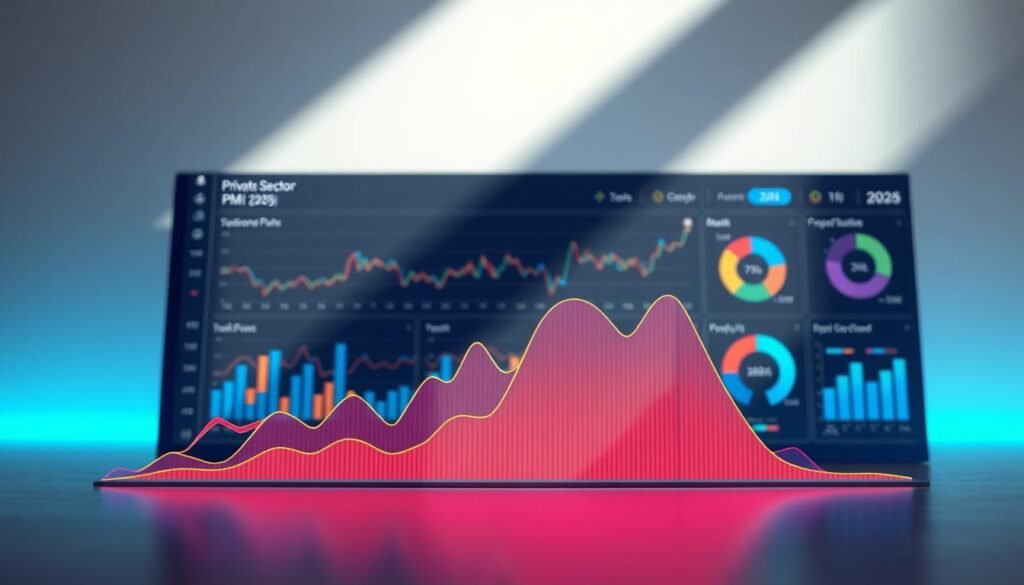
Exploring these insights helps pinpoint critical areas needing focus. Tackling these will boost the private sector and market stability. Keeping an eye on PMI trends is vital for navigating the economic landscape.
| Indicator | Current Status (September 2025) | Previous Month (August 2025) | Change (%) |
|---|---|---|---|
| Output Levels | Declining | Stable | -5% |
| New Orders | Decreased | Increased | -7% |
| Companies Reporting Margin Pressure | 60% | 45% | Increase of 15% |
| Cautious Spending | High | Moderate | Shift in Behavior |
Factors Contributing to the Slowdown
Several key factors are causing India’s private sector to slow down. Understanding these helps us see how they affect the economy.
Global Economic Conditions
Global economic factors have had a big impact. Rising energy prices from conflicts and supply chain issues have made things tough for businesses. Also, slowdowns in big trading partners have made things worse.
These external pressures can lower demand for products and services in India. Businesses face big challenges to keep growing in this tough environment.
Domestic Policy Changes Impact
Domestic policy changes have gotten mixed reactions. Changes in interest rates to fight inflation can be good or bad for investors and consumers. The rules for businesses keep changing, forcing them to adapt fast.
These changes, meant to help growth, can also cause uncertainty. This uncertainty is a big reason for the slowdown in the economy.
Sectorial Impact: Services vs. Manufacturing
September 2025 shows a big difference between the services and manufacturing sectors in India’s economy. The services sector is showing strength as it meets new market needs. But, the manufacturing sector is facing big problems due to changes in demand at home and issues with exports.
It’s key to understand these differences to make better policies and investment plans.
Current Status of the Services Sector
The services sector is growing, thanks to tech and finance. Many companies are doing well, showing they’re investing and innovating. This stability comes from more digital changes and a rise in demand for tech.
Manufacturing Growth Trends
On the other hand, the manufacturing sector is shrinking. It’s facing problems like changes in demand and trouble competing globally. Uncertainty in export orders is making things tough for manufacturers.
Comparative Analysis: Year on Year PMI Data
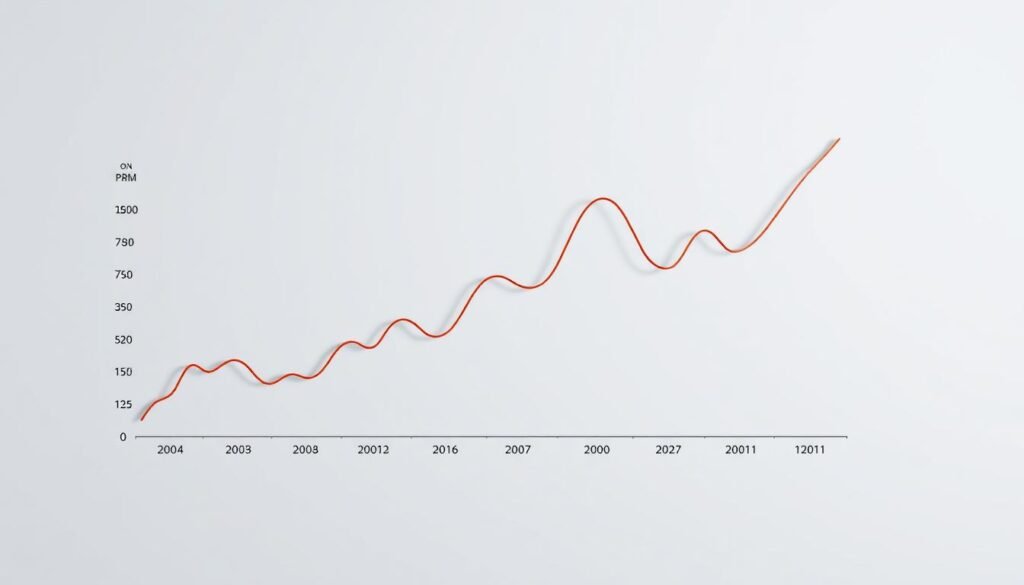
Looking at year on year PMI trends gives us insights into India’s economy. By comparing past data with current numbers, we see patterns. These patterns show if certain sectors are strong or weak.
Trends in Previous Years
In recent years, the PMI has shown steady growth, even with global economic ups and downs. September reports have often been positive, showing growth across many industries. This shows India’s private sector is strong, even in tough times.
Why September 2025 is Different
September 2025 is different from past trends. The PMI data shows a rare drop, caused by high inflation and changes in global demand. This change helps us understand the economy’s cycles and the challenges of this year.
Impact on Employment Rates in India
The current economic landscape has a big impact on employment rates in India. As private sector growth slows, we see changes in what companies need from their workforce. Companies are now looking at their hiring strategies differently because of lower output and orders. This change directly affects how many jobs are being created.
Job Creation in the Current Economic Climate
Job creation in today’s economy is slowing down, with many sectors facing big challenges. Figures show that companies are not eager to grow their teams, mainly because of uncertainty. This makes it harder for new graduates to find jobs, as there are already many experienced people looking for work.
The Future of Employment in Private Sector
The future of jobs in the private sector is uncertain. If job creation keeps going the way it is, finding a job will get even tougher. To get ready for this, companies and individuals need to focus on learning new skills. Being able to adapt to new technologies and skills will be key to success as the job market keeps changing.
Market Reactions to the PMI Data
The market’s reaction to PMI data gives us clues about investor mood. When PMI numbers drop, the stock market can get very bumpy. This is true for areas that feel the economy’s ups and downs the most.
Knowing how markets react to PMI data helps us understand the stock market’s trends. These trends are shaped by the data’s release.
Investor Sentiment
When PMI numbers go down, investors get worried. They start to think the economy might slow down. This worry makes them more careful with their money.
They tend to sell off risky investments quickly. At the same time, they look for safer places to put their money.
Stock Market Trends Following PMI Release
After PMI data comes out, the stock market shows its changes. If the numbers are lower than expected, certain areas like banking and manufacturing can see big swings. These changes show investors are adjusting their plans.
These adjustments can lead to quick fixes or lasting changes in how much companies are worth. Every PMI update is a key sign for investors. It tells them if they need to change their strategies based on the economy’s direction.
Government Policy Responses to Economic Slowdown
The Indian government has taken action to boost the economy. They have introduced measures to help the economy grow again. These steps aim to solve current problems and prepare for the future.
Current Policies Affecting Growth
Today, many policies are working together to help different sectors. Some important ones are:
- Tax Incentives: Helping small and medium businesses to grow and innovate.
- Infrastructure Investments: Improving connections and making things more efficient. This boosts productivity.
- Financial Support Programs: Helping struggling areas by providing the money they need.
Future Outlook on Government Interventions
We expect more help from the government in the future. They will work closely with the private sector. The main goals will be:
- Long-Term Economic Growth Initiatives: Creating plans for lasting economic success.
- Skill Development Programs: Training people for the jobs of the future.
- Collaborative Research and Development: Supporting partnerships to drive innovation and new technologies.

Global Comparisons: How Does India Stack Up?
Understanding India’s economic status requires looking at the global PMI comparison. This metric shows how India compares to other countries in manufacturing and services. It helps us see India’s place in the global market and how it does in competition.
PMI Figures from Other Major Economies
Recent PMI numbers show strong growth in many countries. For example, Vietnam and the Philippines are growing faster than India. They use special economic plans to keep their private sectors strong.
- Vietnam: Recent PMI soared to 53.5, indicating strong expansion.
- Philippines: PMI figures reached 54.2, reinforcing a positive economic outlook.
- India: In contrast, India’s PMI has shown signs of slowing growth, with a current reading of 49.5.
India’s Position in the Global Market
The global PMI comparison shows challenges for India. Despite its large market and innovation chances, India faces tough competition. To stay strong, India needs to make smart changes in its policies to boost growth.
Future Projections for India’s Private Sector
The future of India’s private sector looks promising but cautious. Experts predict a slow recovery, thanks to new technologies and government support. These factors will help the sector grow stronger, focusing on resilience.
Expert Predictions for Q4 2025
By Q4 2025, experts see a comeback. Technology will be key. Businesses need to keep up with changing tastes and trends worldwide. This way, they can not only stay afloat but also flourish.
Long-Term Growth Strategies
Creating lasting growth plans is essential for staying ahead. Innovation and building better infrastructure are key. By doing this, India’s private sector can lead in innovation and sustainability.
Challenges Facing India’s Private Sector
The private sector in India is facing many challenges. Competition, rules, and changing consumer tastes are big hurdles. To overcome these, businesses need to think creatively and find new ways to innovate.
Emerging Challenges Post-PMI Data
India’s private sector has seen big changes. Global market ups and downs, higher prices for goods, and a need for more openness are key issues. Companies must stay quick and competitive to succeed.
Potential Solutions and Innovations
Businesses need to make big changes to tackle these challenges. Using digital tools to work better is a key strategy. Also, focusing on being green helps companies grow while doing good for the planet. Keeping up with new ideas is essential for staying ahead.

Opportunities for Investment in a Slowing Economy
Even when the economy slows down, there are chances to invest in different sectors. Today, we see many growth sectors in India that have shown they can handle tough times. By focusing on these areas, we can make smart investment plans that help us achieve our long-term goals.
Identifying Key Growth Sectors
Some sectors that show a lot of promise are:
- Renewable Energy: The need for green solutions is growing, leading to more chances to invest in solar and wind power.
- Fintech: As more things go digital, financial tech keeps getting better, drawing in both users and investors.
- E-commerce: Online shopping is getting more popular, opening up many ways to invest.
By carefully choosing these growth sectors in India, we can take advantage of the changes in the market and how people shop.
| Sector | Current Trends | Potential for Growth |
|---|---|---|
| Renewable Energy | Increased government support and subsidies | High due to global shift to sustainability |
| Fintech | Rapid innovation and adoption of digital wallets | High as the economy embraces technology |
| E-commerce | Growth in online purchasing behavior | High with expansion into untapped markets |
Spotting these investment chances helps us deal with the challenges of a slow economy. It lets us plan for success in the future.
Consumer Confidence and Spending Trends
Understanding consumer confidence and spending is key to the economy. PMI data plays a big role in this. When people feel less confident, they spend less. This can affect many parts of the economy.
Businesses need to see this link to plan well. They must match their strategies with what consumers are thinking.
The Relationship Between PMI and Consumer Behavior
The Purchasing Managers’ Index (PMI) shows how the economy is doing. It affects how people feel about spending. When PMI scores go down, so does consumer confidence.
This makes people spend less on things they don’t need. It’s important for businesses to watch PMI closely. They can use this info to guess what the market will do next.
This helps them make plans that work with what consumers are doing. It’s all about being ready for changes in the economy.
Conclusion
The PMI data in September 2025 is a warning and a guide for India’s private sector. The recent slowdown makes us think deeply about the future. We must look at global and domestic factors to understand the changes.
Even though we face challenges, there are also chances for growth and recovery. Working together, businesses, government, and consumers can create a strong economy. This teamwork will help us overcome future obstacles.
We must stay hopeful and work together to move forward. With new strategies and everyone’s help, we can grow and develop despite the challenges. The conclusion of the India PMI September 2025 shows us the way to success.