



India rice and wheat stock 2025 has reached unprecedented levels, signaling major shifts in the country’s agricultural reserves and food security planning. As of early September 2025, India’s government-held reserves have soared to unprecedented levels, with rice stocks reaching 48.2 million metric tons and wheat hitting 33.3 million tons. This massive surplus creates both opportunities and challenges for the world’s most populous nation.
How Did We Get Here?
The path to record stockpiles involved several converging factors that transformed India’s grain reserves into a logistical puzzle requiring urgent attention.
Strong Procurement Efforts
The Food Corporation of India stepped up rice and wheat procurement during last season, buoyed by record harvests and favorable monsoon rains. Government intervention led to substantial stock accumulation.
Export Restrictions Lifted
In March 2025, India lifted its final rice export restrictions. While beneficial for international buyers, this decision also impacts domestic supply planning and storage dynamics.
Demand-Supply Imbalance
Subsidized food schemes and free-ration programs continue, but offtake rates haven’t kept pace with accumulation, causing stocks to swell beyond targets.
Storage Delivery Lag
Much surplus remains at procurement centers and mills. With fresh paddy arrivals beginning, pressure on storage infrastructure continues mounting.
How Did We Get Here?
The path to record stockpiles involved several converging factors that transformed India’s grain reserves into a logistical puzzle requiring urgent attention.
Strong Procurement Efforts
The Food Corporation of India stepped up rice and wheat procurement during last season, buoyed by record harvests and favorable monsoon rains. Government intervention led to substantial stock accumulation.
Export Restrictions Lifted
In March 2025, India lifted its final rice export restrictions. While beneficial for international buyers, this decision also impacts domestic supply planning and storage dynamics.
Demand-Supply Imbalance
Subsidized food schemes and free-ration programs continue, but offtake rates haven’t kept pace with accumulation, causing stocks to swell beyond targets.
Storage Delivery Lag
Much surplus remains at procurement centers and mills. With fresh paddy arrivals beginning, pressure on storage infrastructure continues mounting.
Breaking Down the Buffer: Target vs Reality
| Commodity | Current Stock | Government Target |
| Rice | 48.2 million tons | 13.5 million tons |
| Wheat | 33.3 million tons | 27.6 million tons |
Rice stock levels are well beyond typical norms at 3.5 times the buffer target, while wheat reserves are at a four-year high but relatively closer to government targets. Rice exports are projected to reach 22.5 million tons this year, positioning India as a dominant global supplier.
The Double-Edged Sword: Opportunities & Risks
Opportunities
Food Security Buffer
High stocks provide cushion for festive season demand, helping maintain stable prices without unexpected shortages during Dussehra and Diwali celebrations.
Export Leverage
India’s surplus provides significant leverage in international trade, especially for rice, as global markets grapple with food inflation and supply chain disruptions.
Risks
Storage Infrastructure Strain
Accumulation raises serious logistical concerns. Surpluses need adequate warehousing, pest control, and transportation to avoid costly wastage.
Economic Burden
Large stockpiles incur substantial costs: subsidies, maintenance, logistics, and interest expenses that can strain government budgets significantly.
Critical Challenges Demanding Immediate Attention
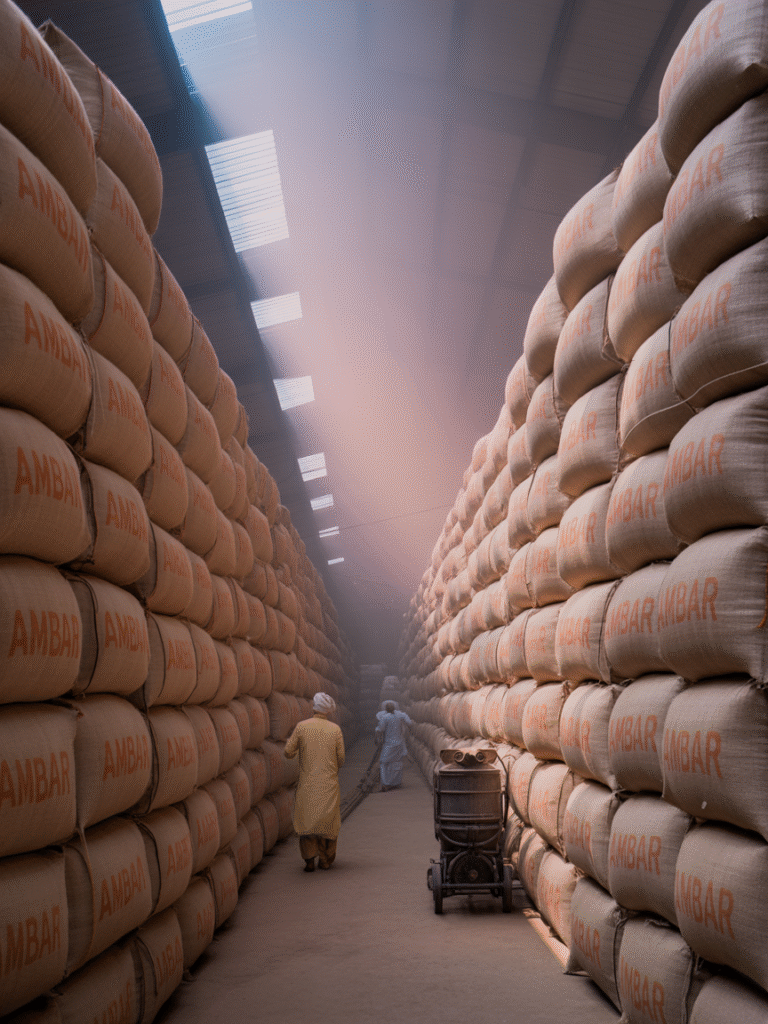
Storage Wastage Risks
Without proper warehousing and pest management, large stockpiles face serious deterioration risks that could waste valuable resources and taxpayer investments.
Logistics Transport
Many procurement centers are in rural areas; moving grains to central or export hubs requires resource-intensive transportation networks and infrastructure.
Policy Sensitivity
Balancing stock maintenance subsidies versus price stabilization versus export opportunities creates complex policy decisions with significant political and economic implications.
Climate Variables
Upcoming weather patterns can affect yield and harvesting schedules, potentially stressing inventory management and procurement planning systems further.
Strategic Actions Already in Motion
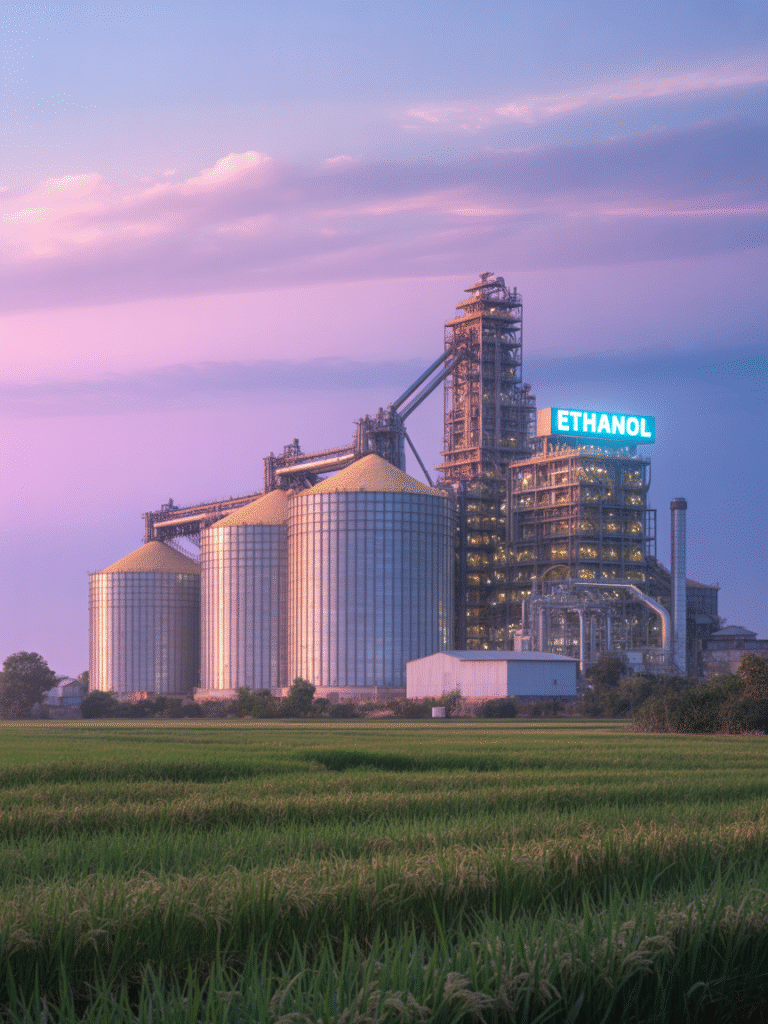
The government has initiated several measures to address the surplus situation, balancing domestic needs with international opportunities.
Export Expansion
Lifting restrictions and exploring wider export of broken rice types to reduce stock levels while capturing international market opportunities.
Ethanol Production
Redirecting surplus rice for ethanol blending to support renewable fuel objectives while reducing waste and storage pressure.
Market Distribution
Continuing open market sales schemes and free ration distribution, though uptake has lagged relative to accumulation rates.
The Path Forward: Strategic Asset or Potential Liability?
India’s record grain reserves present a defining moment that will determine whether this surplus becomes a strategic advantage or economic burden.
Accelerate Offtake
Prioritize Public Distribution System channels, open market sales, and strategic exports to reduce holding burden.
Modernize Storage
Invest in climate-controlled facilities, mobile silos, and pest-proof warehouses to minimize losses.
Maintain Flexibility
Adapt procurement, release, and export policies to seasonal production and international demand fluctuations.
How India manages the dynamics between surplus, demand, export, and cost will largely determine whether this becomes a strategic asset or potential liability in the global food system.